

Income Protection Insurance for Builders in Australia (2026 Guide)
Income protection insurance allows builders to replace up to 70% of their income if illness or injury prevents them from working. This cover is especially important in construction because the work is physically demanding and many builders operate as sole traders, subcontractors, or company directors without paid sick leave.
Builders face higher injury rates than many other occupations. Construction work regularly involves heights, heavy materials, machinery, and repetitive physical labour. A serious injury can prevent a builder from working for weeks, months, or longer.
This guide explains what builders in Australia should understand before choosing income protection insurance.
Why Income Protection Is Important for Builders
Builders depend on their physical capacity to earn an income. If illness or injury prevents a builder from working, both personal income and business cash flow can stop immediately.
Construction work exposes builders to risks such as:
- Falls from scaffolding or ladders
- Heavy lifting injuries
- Musculoskeletal strain
- Machinery accidents
- Electrical hazards
Safe Work Australia reports that serious injury claims in construction occur at higher rates than the average across industries. Common causes include falling from heights and being struck by moving objects.
These injuries often require extended recovery periods. Income protection insurance provides financial support while the builder recovers.
Who Needs Income Protection in Construction
Income protection is particularly relevant for builders who operate independently or run small construction businesses.
This includes:
- Sole traders
- Subcontractors
- Company directors
- Partners in construction businesses
These individuals often do not receive paid leave and may not automatically qualify for workers’ compensation cover.
Income protection replaces a portion of lost income when illness or injury prevents work.
How Much Income Protection Builders Can Get
Most retail income protection policies in Australia cover up to 70% of gross pre-tax income.
Some policies may also include:
- Superannuation contribution benefits
- Temporary income top-ups for limited periods
Income protection policies include two key timeframes:
Waiting Period
The waiting period is how long you must be unable to work before payments begin.
Common waiting periods include:
- 30 days
- 60 days
- 90 days
- 180 days
Shorter waiting periods increase premiums but provide faster payments.
Benefit Period
The benefit period is how long the insurer will continue paying benefits.
Common benefit periods include:
- 2 years
- 5 years
- To age 65
Longer benefit periods provide greater long-term protection but increase premiums.
Income Protection vs Workers’ Compensation for Builders
Workers’ compensation only covers injuries that occur during employment or while performing work duties.
Income protection is broader.
Income protection covers:
- Illness or injury outside work
- Non-work accidents
- Medical conditions preventing work
Workers’ compensation does not cover these situations.
Additionally, sole traders without employees are generally not automatically covered under workers’ compensation schemes unless they elect coverage under their state system.
Income protection therefore provides financial protection in situations where workers’ compensation does not apply.
Income Protection for Self-Employed Builders
Builders who operate their own business must consider how insurers define income.
Income may be assessed based on:
- Salary drawn from the business
- Business profit
- Contract payments
- Dividends
Income protection policies issued after regulatory reforms are typically indemnity policies, meaning insurers assess income at the time of claim.
Accurate income documentation is essential when structuring cover.
Income Protection Inside Super vs Outside Super
Builders sometimes fund income protection through superannuation to reduce cashflow pressure.
There are advantages and disadvantages.
Income Protection Inside Super
Advantages may include:
- Premiums paid using superannuation funds
- Potential tax efficiency
However:
- Definitions may be stricter
- Policy flexibility may be reduced
- Claims structure may differ
Income Protection Outside Super
Retail policies held outside super often provide:
- Greater flexibility
- More comprehensive policy definitions
- Additional optional features
Builders should assess both options before deciding how to structure cover.
What Income Protection Costs for Builders
Premiums depend on factors such as:
- Age
- Health history
- Smoking status
- Waiting period
- Benefit period
- Amount of cover
- Occupational risk classification
Construction occupations usually attract higher premiums than office-based professions.
As a general guide:
- Income protection often costs 1% to 3% of gross annual income before tax deductions.
Premiums are typically tax deductible when policies are held outside superannuation.
Common Mistakes Builders Make With Income Protection
Builders often make several mistakes when arranging income protection.
Common issues include:
- Assuming workers’ compensation provides sufficient protection
- Underestimating long-term physical injury risk
- Choosing policies based solely on price
- Incorrectly describing work duties
- Not reviewing cover as income increases
Accurate disclosure of job duties is critical. Insurers assess how much time a builder spends performing manual work compared with supervisory tasks.
Why Builders Should Review Their Cover Regularly
A builder’s risk profile changes over time.
Examples include:
- Moving from manual work to supervision
- Increasing income
- Taking on larger projects
- Expanding staff or subcontractors
Income protection policies should be reviewed regularly to ensure they reflect the builder’s current occupation and income structure.
Frequently Asked Questions
How much income protection can builders receive?
Most Australian policies cover up to 70% of gross pre-tax income, with some policies offering additional temporary income support.
Does income protection cover injuries outside work?
Yes. Income protection covers illness or injury regardless of whether it occurs at work or outside work.
Are sole trader builders covered by workers’ compensation?
Not automatically. Sole traders generally need to elect coverage under state schemes or arrange alternative insurance.
Is income protection tax deductible?
Premiums for income protection policies held outside superannuation are generally tax deductible under Australian Tax Office guidelines.
How long do income protection benefits last?
Benefit periods typically range from 2 years to age 65, depending on the policy selected.
Final Thoughts: Income Protection for Builders
Income protection insurance allows builders to maintain financial stability when illness or injury prevents them from working.
Because construction work involves higher physical risk and many builders operate independent businesses, income protection plays a key role in protecting:
- Personal income
- Household expenses
- Business continuity
- Long-term earning capacity
Selecting the right policy requires careful consideration of income structure, waiting periods, benefit periods, and policy definitions.
Builders should review their coverage regularly to ensure their protection matches how they work.
Ready to Review Your Income Protection?
If you’re a builder and want to ensure your income is properly protected, we can help you compare policies and structure cover that reflects how you actually work.
Speak with a specialist income protection insurance broker today to review your income protection options.
General Advice Warning
The information in this article is general advice only and does not take into account your personal objectives, financial situation or needs. Before making any decision, you should consider whether the advice is appropriate for you and review the relevant Product Disclosure Statement (PDS) and policy wording.
Morgan Insurance Advisors Pty Ltd T/A Morgan Life is an Authorised Rep (ASIC no 319449) of HAE Financial Pty Ltd AFSL 501891.


Income Protection Insurance for Electricians in Australia
Electricians rely on their ability to work safely with their hands, tools, and technical skills. If an illness or injury prevents you from working, the financial impact can be immediate.
That’s where income protection insurance for electricians plays a critical role.
This guide explains how income protection works for electricians, what to watch out for, and how to choose the right policy for your occupation
If you’re looking for a broader overview of insurance options beyond income protection, you can also read our guide on insurance for electricians,
What Is Income Protection Insurance?
Income protection insurance provides a monthly benefit if you’re unable to work due to illness or injury. It’s designed to replace a portion of your income while you recover, helping you cover everyday expenses such as:
- Mortgage or rent
- Household bills
- Living costs
- Business expenses (for self-employed electricians)
Benefits are usually paid after a waiting period and continue until you return to work or reach the policy’s benefit period limit.
Why Income Protection Is Especially Important for Electricians
Electricians face unique risks that can directly affect their ability to earn an income, including:
- Electrical injuries and burns
- Musculoskeletal injuries from manual work
- Falls from ladders or worksites
- Repetitive strain injuries
- Long-term illness that limits physical capacity
Because your income depends on your physical and technical ability, even a temporary injury can significantly disrupt your earnings.
How Insurers Classify Electricians
Your occupation has a direct impact on:
- Premium pricing
- Policy eligibility
- Benefit definitions
Electricians are typically classified as blue-collar or skilled manual workers, which may result in higher premiums compared to office-based roles.
However, classifications vary between insurers. Some policies differentiate between:
- Domestic electricians
- Commercial electricians
- Supervisory or managerial roles
Choosing the right insurer for your specific duties can make a meaningful difference.
Own Occupation vs Any Occupation – Why It Matters
One of the most important considerations for electricians is how “disability” is defined in the policy.
Some policies assess claims based on:
- Your ability to work in your own occupation, while
- Others assess whether you can work in any occupation suited to your skills or experience.
For electricians, this distinction is critical. A hand or back injury may prevent you from working as an electrician but not stop you from working in a less physical role.
Understanding these definitions before taking out a policy is essential.
Income Protection for Self-Employed Electricians
If you’re self-employed, income protection can be even more important.
Self-employed electricians should consider:
- How income is assessed at claim time
- Whether fluctuating income is adequately covered
- Waiting periods that align with cash reserves
- Optional business expense cover
Not all policies treat self-employed income the same way, so careful structuring is key.
Waiting Periods and Benefit Periods
Electricians can usually choose from a range of waiting and benefit periods, such as:
Waiting periods:
- 30 days
- 60 days
- 90 days
Benefit periods:
- 2 years
- 5 years
- To age 65
Shorter waiting periods and longer benefit periods generally increase premiums but provide broader protection.
Income Protection Through Super vs Outside Super
Electricians may hold income protection:
- Inside superannuation, or
- As a retail policy outside super
Cover inside super can reduce upfront cashflow, but policies may have stricter definitions and limited flexibility.
Retail policies outside super often offer more comprehensive features, particularly for occupation-based claims.
Common Mistakes Electricians Make with Income Protection
Some of the most common issues we see include:
- Choosing cover based on price alone
- Not understanding occupation definitions
- Underinsuring income to reduce premiums
- Relying solely on default superannuation cover
- Not updating cover as income increases
These mistakes often only become apparent at claim time.
How a Broker Can Help Electricians with Income Protection
As an insurance broker, our role is to help electricians:
- Compare policies across multiple insurers
- Understand how occupation classifications affect cover
- Structure policies correctly for self-employed or PAYG roles
- Explain definitions before a claim ever happens
- Assist and advocate during the claims process
This helps reduce the risk of gaps in cover and unexpected claim outcomes.
Final Thoughts: Income Protection for Electricians
Income protection insurance is one of the most important forms of cover for electricians.
Because your occupation directly affects pricing, definitions, and eligibility, a generic policy may not provide the protection you expect.
The right income protection policy should align with:
- Your occupation
- Your income structure
- Your financial commitments
- Your long-term goals
If you’re unsure whether your current policy is suitable — or if you’ve never reviewed your cover — getting tailored advice can help ensure your income is properly protected.
Ready to Review Your Income Protection?
If you’re an electrician and want clarity around your income protection options, we can help you compare policies and structure cover that fits your work and lifestyle.

How Do I Choose the Right Life Insurance Policy? (Step-by-Step Buyer Guide for Australians)
Choosing the right life insurance policy can feel overwhelming. That's why we've created a step-by-Step Guide on to choose the Right Life Insurance Policy.
There are different types of cover, policies inside and outside super, varying definitions, benefit structures, waiting periods, and pricing differences between insurers.
If you’re asking:
- What life insurance should I get?
- How much cover do I need?
- Is insurance through super enough?
- What’s the best life insurance policy in Australia?
This step-by-step guide will walk you through exactly how to choose the right policy for your situation.
Step 1: Understand the Different Types of Life Insurance
Before choosing a policy, you need to understand what type of cover you’re considering.
In Australia, personal insurance generally includes:
1. Life Insurance (Death Cover)
Pays a lump sum if you pass away or are diagnosed with a terminal illness.
2. Total & Permanent Disability (TPD)
Pays a lump sum if you become permanently unable to work due to illness or injury.
3. Trauma Insurance (Critical Illness Cover)
Pays a lump sum if you’re diagnosed with a specified serious condition such as cancer, heart attack or stroke.
4. Income Protection
Replaces a portion of your income if you’re unable to work temporarily due to illness or injury.
Many Australians need a combination of these, not just life cover.
Step 2: Determine Why You Need Life Insurance
The right policy depends on your purpose.
Ask yourself:
- Do I have a mortgage?
- Do I have dependants?
- Would someone struggle financially if I couldn’t work?
- Do I have personal debt?
- Would my family need ongoing income replacement?
Life insurance is designed to protect financial stability, not just provide a payout.
Step 3: Calculate How Much Cover You Need
This is one of the most important steps.
Your life insurance amount should consider:
- Outstanding mortgage
- Other debts (personal loans, credit cards)
- Future living expenses for dependants
- Education costs for children
- Funeral expenses
- Income replacement needs
Many people are underinsured because they only consider their mortgage.
A structured calculation provides a more accurate coverage amount.
Step 4: Decide Between Insurance Inside or Outside Super
One of the biggest decisions in Australia is whether to hold life insurance:
- Inside your superannuation fund
- As a retail policy outside super
Insurance inside super can reduce out-of-pocket cashflow, but it may have:
- Limited definitions
- Lower flexibility
- Fewer optional benefits
- Tax and ownership considerations
Retail policies outside super often offer broader features and more flexibility.
The right structure depends on your financial goals and circumstances.
For a deeper comparison of life insurance inside vs outside super — how it affects policy definitions, flexibility, and long-term protection, check out our guide:
Should You Insure Inside or Outside Your Superannuation?
Step 5: Compare Policy Definitions (This Is Critical)
Not all life insurance policies are the same.
When choosing a policy, look beyond price and review:
- TPD definitions (Any Occupation vs Own Occupation)
- Trauma condition definitions
- Partial payment provisions
- Future insurability options
- Premium structure (stepped vs level)
- Benefit indexation
- Exclusions
Two policies may appear similar but differ significantly in claim eligibility.
Definitions matter more than most people realise.
Step 6: Understand Premium Structures
In Australia, most life insurance policies offer:
Stepped Premiums
- Start cheaper
- Increase each year with age
Level Premiums
- Higher initially
- Designed to remain more stable long term
The best option depends on how long you intend to keep the policy.
Step 7: Consider Your Occupation and Risk Profile
Your job affects:
- Premium pricing
- Eligibility
- Income protection definitions
- TPD structure
Some occupations qualify for stronger definitions or lower pricing.
Choosing the right insurer for your occupation can make a significant difference.
Step 8: Review Underwriting Requirements
Life insurance policies require underwriting, which may include:
- Health questionnaires
- Medical reports
- Blood tests
- Financial documentation (for income protection)
Understanding underwriting early can help avoid surprises later.
Full disclosure is essential.
Step 9: Don’t Just Search for “The Best Life Insurance Policy”
There is no single “best” life insurance policy in Australia.
The right policy depends on:
- Your age
- Health history
- Occupation
- Debt level
- Family situation
- Cashflow
- Long-term plans
The best policy is the one that fits your personal risk profile and financial goals.
Step 10: Seek Professional Guidance
Life insurance policies vary significantly between insurers in:
- Definitions
- Claim statistics
- Optional benefits
- Pricing structures
An experienced insurance adviser or broker can:
- Compare multiple insurers
- Explain complex definitions
- Structure ownership correctly
- Align cover with your financial goals
- Support you at claim time
This can reduce the risk of gaps in cover.
Common Mistakes to Avoid When Choosing Life Insurance
- Choosing based on price alone
- Underinsuring to reduce premiums
- Relying solely on default super cover
- Not reviewing policies after major life events
- Failing to update beneficiaries
Life events such as marriage, children, buying property, or career changes should trigger a policy review.
How Often Should You Review Your Life Insurance?
At minimum, review your cover:
- Every 2–3 years
- After major life events
- When income changes
- When debts increase
- If your health changes
Life insurance is not a “set and forget” decision.
Final Thoughts: Choosing the Right Life Insurance Policy
Choosing the right life insurance policy involves more than selecting a premium.
It requires:
- Understanding your financial risks
- Calculating appropriate cover
- Comparing policy definitions
- Structuring ownership correctly
- Reviewing regularly
The right policy should provide clarity and confidence, not confusion.
If you’re unsure what type of life insurance suits your situation, getting tailored advice can help ensure your cover is aligned with your goals.
Ready to Get Your Life Insurance Structured Properly?
At Morgan Insurance Advisors, we specialise in helping Australians compare and structure life insurance, TPD, trauma, and income protection policies with clarity and confidence.
We can help you:
-
Determine how much cover you actually need
-
Compare policies across multiple insurers
-
Decide whether to hold cover inside or outside super
-
Understand key definitions before you commit
-
Structure your policy correctly from day one
Whether you’re reviewing existing cover or arranging life insurance for the first time, we’re here to guide you through the process step-by-step.
Speak with us today and get clarity on your options.

Landlord Insurance Cost in Brisbane & QLD (2026 Guide: What Landlords Actually Pay)
Insurance cost for your investment property every year is always a consideration when there are so many changes that could impact your bottom line.
This blog was created to assist property owners in Brisbane and QLD get more insight into the cost of how much building and landlord insurance actually costs in 2026.
What Is the Average Cost of Landlord Insurance?
In Australia, landlord insurance typically ranges anywhere from a few hundred dollars per year for just landlord covers such as fixtures/fitting, rent default, and public liability insurance. If you are insuring your building as well as the landlord covers mentioned just now, the premiums could be up to or over $2,000 annually, depending on the property address, and the level of cover selected.
A cheaper policy may have lesser covers, higher excesses, or exclude certain tenant scenarios. At Morgan Insurance Brokers, we explain to you the quotes obtained and what you're actually covered for and how a claim would respond when you need it to, so there are no surprises.
What Factors Affect the Cost of Landlord Insurance?
1. Property Location
Landlord insurance premiums in Brisbane can be influenced by weather, flood risk, and how much the building is insured for. The actual landlord covers themselves without insuring for the building are relatively cheap, usually coming in under $500. When you insure the building, that is when the premiums are higher.
2. Property Type and Construction
The type of property also plays a significant role in determining the premium. For example, if the property is a strata unit, building insurance is usually covered under the strata policy, meaning you may only require a standard landlord insurance policy. However, if it’s a freestanding house, you will generally need to insure the building yourself, which naturally results in a higher premium.
The construction of the property can also make a substantial difference to the cost of insurance. Standard brick homes are typically cheaper to insure than weatherboard properties, as brick is less combustible and presents a lower fire risk.
Properties with external asbestos walls can significantly increase premiums due to the high clean-up and removal costs associated with asbestos contamination following a fire. In 2024, Lauren Spice handled a claim where a fire occurred in a single room at the front of a property, but smoke damage spread throughout the home. Because the internal walls contained asbestos, they had to be completely stripped and professionally removed. The total clean-up and removal costs were close to $70,000. This is why asbestos homes are more expensive to insure.
Expanded polystyrene (NRG Greenboard) homes can also be more expensive to insure. This is largely because fewer insurers are willing to offer cover for this type of wall construction due to the fire risk also. With fewer insurers in the market, competition reduces, which can lead to higher premiums.
3. How much you are insured for
How much either your building or your rental income is insured for is one of the main factors in how your premium is calculated. The higher your building, or your contents/fixtures and fittings, the higher the premium will be. Depending on if the insurer has applied any flood loadings, or location loadings (think Northern Australia where cyclones are frequent), the riskier the location, the higher the premium as you increase your cover.
It is important to ensure that you aren't underinsured as you may have to contribute to your own claim if the replacement/repair bill doesn't cover the loss. To help determine an appropriate sum insured, you can use a building or contents insurance calculator. The Australian Government’s Moneysmart website provides guidance on avoiding underinsurance and estimating replacement costs.
4. Level of Cover Selected
Landlord Insurance policies can be tailored to suit your budget and risk tolerance. While it may be tempting to reduce cover to lower premiums, it’s important to understand what protections you may be giving up.
We have seen situations where landlords underestimated the financial impact of extended vacancy following a major claim.
As Lauren Spice has previously noted:
“In many cases, the additional loss of rent cover only increases the premium by a relatively small amount, yet it can provide significant protection for your cash flow if your tenant cannot occupy the property due to an insured event. This is the same for if a tenant defaults on their rent and vacates unexpectedly”
For many landlords, the cost difference between basic and more comprehensive cover is modest compared to the potential financial impact of losing rental income for an extended period.
5. Rental Income
The amount of rental income your property generates can influence your premium. Generally, the higher the weekly rent insured, the higher the premium.
However, rental income is not usually one of the major pricing factors. In many cases, the premium difference between insuring a property for $500 per week compared to $1,000 per week is relatively modest.
This is because insurers typically place greater weight on factors such as location, construction type, claims history and overall risk exposure.
6. Claims History
Your previous claims history can heavily impact premiums. Even just 1 claim over $50,000 (which isn't hard these days with the cost of trades and materials) can seriously impact your insurance for the next 3-5 years. With multiple claims, or just a single large claims, it can even impact your chances of getting insurance at all.
Is the Cheapest Landlord Insurance the Best Option?
The old saying “you get what you pay for” is particularly relevant when it comes to insurance. Lower premiums are often a sign that either the level of cover is reduced, certain benefits are excluded, or the excesses are higher.
Many online comparison websites initially present quotes based on basic cover only. While the price may look attractive at first glance, additional covers often need to be added back in to obtain more comprehensive protection.
This pricing strategy is sometimes referred to as “price anchoring” where a lower starting premium makes the policy appear more appealing, even though it may not provide the level of protection you actually need.
When comparing landlord insurance policies, it’s important to look beyond the first price and carefully review the inclusions, exclusions, limits and excesses to ensure the cover aligns with how you want your insurance policy to actually respond when you need it to.
How Can an Insurance Broker Help?
Morgan Insurance Brokers has access to a large panel of landlord insurance providers, allowing us to compare multiple policy options on your behalf. Rather than being limited to a single insurer, we can assess different levels of cover, policy wording, excesses and premium pricing to help you make an informed decision.
Every landlord’s situation is different. Your budget, the type of property you own, its location, your claims history, and even your relationship with your tenants can influence the level of protection that may be appropriate. For example, some landlords may feel comfortable self-insuring minor risks, while others may prefer comprehensive cover including loss of rent and tenant default protection.
An insurance broker helps you weigh up these considerations. Instead of simply selecting the cheapest option online, we review the policy details to ensure you understand.
Final Thoughts
The cost of landlord insurance depends on so many different factors, including the address, how much you're insured for, what the construction of the property is, and how much rental protection you'd like to insure for.
Before choosing a policy based purely on price, it’s worth understanding what is and isn’t included.
Your investment property is a major asset. Making sure it’s properly protected is just as important as securing a tenant.
Landlord FAQ's
Does landlord insurance cover loss of rent or tenant default?
When insuring your property under a landlord insurance policy, it’s important to check whether loss of rent following an insured event is included. Some policies automatically provide this cover, while others require it to be selected as an optional benefit.
Rent default cover which protects you if a tenant stops paying rent or abandons the property, is typically an optional add-on and not automatically included in every policy.
Is landlord insurance tax deductible?
Yes, landlord insurance premiums are generally tax deductible in Australia if the property is used to produce rental income.
The Australian Taxation Office (ATO) allows property investors to claim the cost of landlord insurance as an expense in the same financial year the premium is paid. This can include cover for building insurance (if applicable), contents, public liability, and loss of rent protection.
How much does Landlord Insurance Cost in Australia?
The cost of landlord insurance in Australia varies widely depending on several factors, but most policies fall roughly between $400 and $2,500 per year for standard cover on a typical investment property.
General Advice Warning
The information in this article is general advice only and does not take into account your personal objectives, financial situation or needs. Before making any decision, you should consider whether the advice is appropriate for you and review the relevant Product Disclosure Statement (PDS) and policy wording. Please refer to our Financial Services Guide for details about our services

Should I Use a Broker or a Financial Planner for Insurance?
When you're arranging life insurance, income protection, TPD or trauma cover, one of the most common questions people ask is:
“Should I use an insurance broker or a financial planner?”
The answer depends on what you need — and understanding the difference can help you make the right choice.
Let’s break it down clearly.
What Does an Insurance Broker Do?
A personal insurance broker specialises in insurance advice and placement.
For personal insurance, that usually includes:
- Life insurance
- Income protection
- Total & Permanent Disability (TPD)
- Trauma / Critical illness cover
- Insurance inside or outside super
- SMSF insurance structuring
A broker’s role is to:
- Assess your personal situation and risks
- Compare policies from multiple insurers
- Explain policy differences in plain English
- Structure cover properly (including ownership and super considerations)
- Assist with underwriting
- Advocate for you at claim time
A broker works with a panel of insurers and helps you choose a policy suited to your needs — not just one company’s product.
What Does a Financial Planner Do?
A financial planner (or financial adviser) provides broader financial advice, which may include:
- Investment strategy
- Superannuation planning
- Retirement planning
- Tax-effective wealth strategies
- Estate planning
- Personal insurance as part of an overall strategy
Insurance is often one component of a larger financial plan.
If you're looking for comprehensive wealth planning — investments, retirement modelling, portfolio construction — a financial planner may be the right fit.
The Key Difference
| Insurance Broker | Financial Planner |
|---|---|
| Focuses specifically on insurance | Focuses on broader financial strategy |
| Deep product knowledge across insurers | Insurance is one part of advice |
| Strong claims advocacy role | May outsource complex insurance structuring |
| Often more technical with policy wording | More strategic at wealth level |
Neither is “better” — it depends on your situation.
When a Broker May Be More Suitable
You may benefit from using a broker if:
- You want detailed comparison between retail policies
- You’re unsure whether to hold cover inside or outside super
- You need income protection tailored to your occupation
- You’re a business owner or sole trader
- You want support at claim time
- You want someone focused purely on risk protection
Insurance policies vary significantly in definitions, exclusions, and claims handling. A broker’s role is to understand those technical differences.
When a Financial Planner May Be More Suitable
A financial planner may be appropriate if:
- You’re building long-term wealth and retirement strategies
- You want insurance integrated into a broader financial plan
- You need tax and investment structuring advice
- You’re reviewing super, investments, and protection together
In many cases, planners and brokers work alongside each other.
Can a Broker Find Better Insurance Than a Financial Planner?
It’s not about “better” — it’s about focus.
A broker who specialises in insurance may:
- Have deeper knowledge of policy definitions
- Spend more time comparing fine print
- Understand underwriting nuances
- Be highly experienced in claims advocacy
A financial planner may approach insurance from a broader strategic lens rather than a technical policy comparison lens.
The right choice depends on the complexity of your needs.
What About Cost?
For personal insurance, advisers (whether brokers or planners) are generally remunerated via:
- Commission paid by the insurer, and/or
- An agreed advice fee
This is disclosed clearly in a Statement of Advice or engagement document.
The key question isn’t just cost — it’s value:
- Are you getting tailored advice?
- Do you understand what you're covered for?
- Will someone advocate for you if you claim?
The Most Important Question to Ask
Instead of asking:
“Should I use a broker or a planner?”
Ask:
- Do I need specialist insurance advice?
- Do I want broader financial planning?
- How complex is my situation?
- Who will support me if I need to claim?
Final Thoughts
Insurance is not just about price. It’s about:
- Definitions
- Structure
- Ownership
- Tax implications
- Claims support
If your priority is getting your insurance structured properly and understanding the fine detail, working with a specialist insurance broker can provide focused expertise.
If you're building a long-term wealth strategy and want insurance as one component of that plan, a financial planner may be the right fit.
The right adviser is the one who understands your goals and explains your options clearly.

Case Study: A Public Liability Insurance Claim from Start to Finish
In 2003, Margaret Hill suffered a serious slip-and-fall injury at a Coles supermarket in New South Wales. She fractured her left ankle near a refrigerated fruit display. The area had no mats or warning signage. Hill required surgery and ultimately faced lasting mobility limitations.
Hill’s lawyers built a strong case utilising the incident report, employee testimony, and CCTV footage to demonstrate Coles’ negligence, despite the retail giant’s “clean as you go” system. The court awarded Hill $292,335 for medical costs and lost capacity.
Importantly, however, public liability insurance covered the payout after judgment, showcasing why businesses, big or small, should invest in risk management measures.
Understanding the Hill v Coles case can help businesses like yours see the importance of obtaining public liability insurance. At Morgan Insurance Brokers, we help you secure the right public liability coverage that protects your business, giving you the much-needed peace of mind.
What is Public Liability Insurance?
In short, public liability insurance is designed to protect Australian businesses from major financial losses when a third party suffers either an injury or property damage due to the business’s negligence during operations. It typically covers:
- Bodily injuries
- Property damage
- Legal costs
- Consequential losses
- Product liability
While not legally mandatory, public liability insurance is considered essential for risk management. In many situations, it can be mandated by leases, contracts, councils, and specific licenses.
For more information on public liability insurance, explore our blogs:
- What Happens If You Don’t Have Public Liabilty Insurance
- Why Subcontractors Need Public Liability Insurance That Covers Contractual Liability
- Who Needs Public Liability & Contract Works Insurance?
- Does Contract Works Insurance Cover Public Liability Insurance?
- Why Your Turnover Matters for Public Liability Insurance
- Product Liability vs. Public Liability: An Essential Guide for Australian Businesses
- Guide to Public Liability Insurance for Sole Traders
- The Importance of Public Liability Insurance for Nightclubs
- How Morgan Insurance Brokers Saved a Local Brisbane Roofing Company $60,000 on Their Public Liability Insurance Premiums
- How Much Public Liability Insurance Do I Need?
- What Isn’t Covered by Your Public Liability Insurance?
- Do Sole Traders Need Public Liability Insurance?
- The Essential Guide to Choosing Public Liability Insurance for Your Business
- Inclusions and Exclusions of Public Liability Cover
- Sole Trader Public Liability Insurance
- What is Public Liability Insurance?
Step-by-Step Public Liability Claim Process
In Australia, public liability claims follow a clear and structured process from incident to resolution, tailored slightly by state. However, for the most part, most claims follow a similar process:
-
First steps post-incident
Following the incident, the first step would be to log details internally, i.e., photos, witnesses, and CCTV footage. The business should notify management immediately and be prepared to trigger insurer involvement.
-
Notifying your insurance provider
Contact your public liability insurance as soon as possible. Submit a detailed claim form with evidence. Your insurer will then appoint loss adjusters to coordinate, shielding your business from claimant's lawyers.
-
Investigation and assessment
At this stage of the process, your business cooperates by providing the maintenance records and staff statements. Your insurer will assess against liability exposure and quantum, often defending you against inflated claims.
-
Settlement or litigation
The goal is to aim for a swift negotiation and/or mediation, capping costs under policy limits, minimising the possibility of a public trial. In Hill v Coles, the $292K payout was fully insured, enabling Coles to preserve its operations.
-
Follow-up and preventative measures
Review the incident to identify other potential risk factors and prevent recurrence. Implement better safety protocols, and always ensure your public liability coverage remains up to date.
Tips for Businesses to Handle Public Liability Claims Efficiently
Businesses across the country can effectively handle public liability claims by prioritising documentation and prompt insurer notification.
- First, and most importantly, always act immediately post-incident. Provide aid without admitting fault and complete a thorough internal incident report.
- Next, be prepared to participate fully in the investigation. Contact your insurer within 24 hours of the incident, supplying all evidence to avoid policy breaches.
- Start training your staff/educating your employees on hazard spotting and incident reporting.
- Start implementing preventative measures alongside regularly reviewing and improving workplace safety procedures.
- Last but not least, ensure the content of your public liability insurance reflects your current business operations. If your business experiences growth, adjust your coverage to minimise new risks.
Secure Your Business Against Unexpected Claims
At any point in time, a public liability incident can happen. Obtaining the right insurance ensures your business is adequately protected from legal fees, compensation claims, and most importantly, reputational damage.
At Morgan Insurance Brokers, we provide tailored advice that guides you towards selecting the most appropriate public liability insurance for yourself. Our team helps you:
- Compare different public liability insurance plans for you
- Tailor recommendations to your business
- Ensure you understand the policy before you accept it
- Support you through claims if the worst happens
Contact us today and gain the utmost confidence that comes with knowing that you’re covered when it matters most.
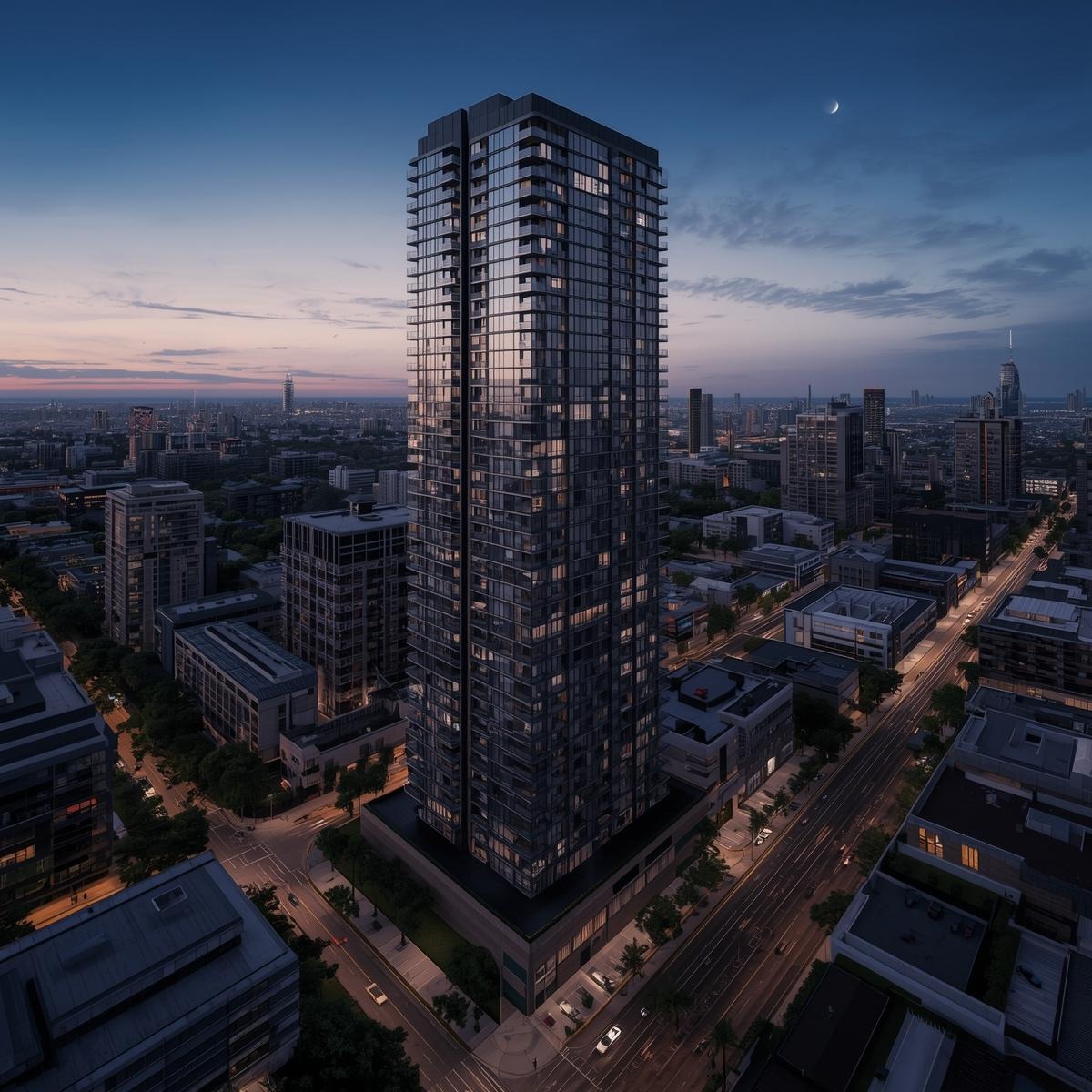
Strata vs. Building Insurance: A Guide for Commercial Unit Owners
As a commercial unit owner in a strata complex, you’ve probably heard a lot of conflicting advice about insurance. Some may tell you that a strata policy covers everything, while others may say you require additional building insurance.
The reality? It’s often a whole lot simpler than it’s made out to be. However, this only applies if you understand where strata insurance stops and where your responsibility as a commercial unit owner begins.
This guide breaks it down into a few key sections, and if you require more information, do not hesitate to reach out to our team at Morgan Insurance Brokers.
What Is Strata Insurance?
In Australia, strata insurance is a compulsory type of building and liability insurance taken out for properties on a strata title. This includes apartment buildings, townhouses, and unit complexes that have shared areas.
Strata insurance is typically arranged by an owners' corporation to cover the building. Individual unit owners don’t arrange it themselves, but they pay their share through fixed levies. At its very core, strata insurance exists to protect the building as a whole, not individual units.
Strata insurance typically covers:
- The building structure, from the walls and the roof, through to the foundations.
- Common property, such as foyers, stairwells, lifts, and shared car parks.
- Shared services such as electrical mains, plumbing, and fire systems.
- Public liability claim for shared spaces.
- Damage from insured events like fires, storms, impact, and water damage. However, this is subject to policy terms.
What Is Building Insurance for Commercial Properties?
Building insurance is typically associated with owning a standalone commercial property. With this, you’ll insure the structure, the fixed components, and some external features. However, for commercial unit owners in a strata complex, standalone building insurance is not required. This is because the strata policy already insures the building.
Nonetheless, there are some exceptions.
Some smaller strata schemes and/or older title arrangements tend to blur the lines. In certain cases, unit owners are responsible for parts of the structure inside their allotted boundary. This makes relying on assumptions risky.
Key Differences: Strata Insurance vs Building Insurance
Here’s a simplified breakdown:
Strata insurance:
- Covers shared structure and common property spaces.
- Arranged by the owners' corporation.
- Cost is shared across all owners.
- Designed to protect the building, not your individual unit or business.
Building insurance:
- Covers a building owned by a single entity
- Usually applies to freestanding commercial properties
- Does not include coverage for common areas.
If you’re a commercial strata owner, you need to understand what your strata policy does and does not cover, because that gap is usually where your losses sit.
Insurance Responsibilities for Commercial Unit Owners
As a commercial unit owner, your responsibilities lie in three places:
- First, your unit’s interior. Anything inside your lot boundary that isn’t considered part of your “base building” is your responsibility. This includes fit-outs, flooring, internal walls, and fixtures.
- Second, your lease obligations. If you lease your property, the lease will often push certain insurance responsibilities back onto you. This is particularly true around loss of rent or certain reinstatement timelines.
- Last but not least, your liability exposure. If someone is injured inside your unit, strata insurance is not appropriate. You’ll require public liability cover.
Protecting Your Commercial Investment with Morgan Insurance Brokers
When investing in commercial strata insurance, buying the right cover is important. At Morgan Insurance Brokers, we work with commercial unit owners who want appropriate and effective coverage. Our team reviews the latest strata policies alongside your property and lease arrangements to identify gaps and structure cover that responds when something goes awry.
If you currently own a commercial unit and haven’t reviewed how your strata insurance interacts with your own cover, now is the time.
Contact us today to protect your investment effectively. We’ll help make sure you’re not relying on cover that was never designed to protect you in the first place.
