

5 Ecommerce Fulfilment Models and the Covers You Need
In this guide, we’ll cover the 5 main types ecommerce fulfilment models, what risks come with each, and the key types of ecommerce insurance every online retailer needs plus why partnering with Morgan Insurance Brokers is the smartest way to protect your business.
Running an ecommerce business in Australia offers massive potential but it also comes with serious risks that can impact your stock, income, and reputation. Whether you’re dropshipping, importing, using a 3PL, or manufacturing your own products, the right ecommerce insurance ensures your business is protected every step of the way.
The Core Types of Insurance Every Ecommerce Business Should Have:
No matter your business model, these are the essential insurance policies every ecommerce operator should consider:
Public Liability Insurance
Protects your business if your operations or products cause injury to a person or damage to their property. This is the foundation of all ecommerce insurance, it covers everything from customer accidents to courier injuries at your premises.
Transit Insurance
Covers your goods while they’re being transported, locally or internationally. It protects against loss, theft, or damage in transit, whether the goods are on a ship, plane, truck, or courier van.
Stock (Property) Insurance
Protects your inventory while stored at your premises, in a 3PL warehouse, or even at home. You can include Business Interruption cover to protect your income if an insured event (like a fire or flood) prevents you from trading.
Cyber Insurance
Ecommerce businesses are prime targets for cyberattacks and data breaches. Cyber insurance covers losses from hacking, ransomware, and data theft including recovery costs, legal expenses, and even reputational damage.
Morgan Insurance Brokers can tailor all these covers into a comprehensive ecommerce package, ensuring there are no gaps between your operations, stock, or online risks.
1. Overseas Dropshipping model
Overseas dropshipping is when products are sent directly from an international supplier to your customer and is one of the riskiest ecommerce models.
The key risks:
- No quality control: Products ship straight to customers without you inspecting them first. If items arrive faulty or unsafe, you can be held responsible.
- Limited recourse: Overseas suppliers often operate under different laws, making it difficult to claim compensation or for the insurance companies recover claim costs/losses.
- Transit exposure: Long international shipping routes increase the chance of loss, theft, or damage.
Insurance considerations:
You’ll need product liability insurance to protect yourself if a customer claims your product caused injury or damage.
It’s also crucial to have public liability insurance, which covers you if your business activities accidentally cause harm to a person or property whether that’s a courier, customer, or even a member of the public affected by your products.
Expert tip: Morgan Insurance Brokers specialises in ecommerce insurance and can help structure coverage that protects you from both overseas supplier risks and customer claims.
2. Customer-to-3PL Warehouse (Australia)
If your stock is shipped to a 3PL warehouse in Australia before being sent to customers, you face a unique set of risks — particularly around how long your goods stay in storage.
The insurance challenge:
Most marine transit policies only include 90 days of incidental storage. After that, your goods may no longer be insured while in the warehouse.
The best solutions:
Stock Throughput Policy:
This policy combines transit and storage insurance into one seamless cover — protecting your goods from the moment they leave the supplier until they reach your customer.
- Covers both transit and warehoused stock
- Reduces coverage gaps
- Suitable for growing ecommerce businesses with ongoing inventory movement
Business Package Policy:
This allows you to cover your stored stock and also include business interruption insurance — crucial protection if, for example, a fire at your 3PL warehouse delays your ability to trade. Business interruption cover helps you recover lost turnover while waiting to restock.
Don’t forget:
Public liability insurance is still vital, if someone is injured at the 3PL site due to your products or operations, you could be liable. Even though the 3PL has its own cover, your business still needs independent protection.
3. Local Dropshipping
Local dropshipping, where suppliers are based within Australia, is a lower-risk model compared to overseas fulfilment.
Benefits:
- Australian Consumer Law protection: Local suppliers must adhere to strict quality and safety standards.
- Easier claims: Domestic logistics make it faster to resolve delivery or product issues.
- Better recourse: You can rely on local insurers and suppliers for dispute resolution.
Insurance must-haves:
Even with local suppliers, you still need product and public liability insurance. If a customer claims a product you sold caused harm, or if a delivery results in property damage, your insurance will cover legal and compensation costs.
Partnering with Morgan Insurance Brokers ensures your local dropshipping business is covered from supply chain to customer delivery giving you peace of mind as you scale.
4. Importing and Storing Stock Yourself
If you’re importing goods and storing them in your own warehouse or at home, you take on full responsibility for both transit and storage risk.
You’ll need:
- Marine Transit Insurance — to cover your goods while being shipped internationally or domestically.
- Stock Insurance — for protection against fire, theft, or accidental damage while in storage.
- Business Interruption Insurance — to safeguard your income if a covered event (like a warehouse fire or flood) disrupts your ability to trade.
And of course, public liability insurance is essential. It covers injuries or property damage that occur because of your business operations — for example, if a courier trips at your premises or a product you sold causes damage.
Why Work With a Specialist Broker?
Ecommerce insurance is complex — and not all brokers understand the nuances of online retail, dropshipping, and logistics. That’s where Morgan Insurance Brokers comes in.
As Australia’s ecommerce insurance specialists, Morgan Insurance Brokers tailor cover for:
- Dropshipping businesses (local and overseas)
- 3PL and stock throughput needs
- Importers and warehouse operators
- Online retailers of all sizes
With expert advice and access to leading insurers, Morgan Insurance Brokers ensure you’re not overpaying or underinsured.
5. Manufacturing Your Own Products
If your ecommerce business manufactures its own goods, your risk profile expands dramatically.
Unique Risks
-
Product defects — Design or production flaws can lead to injury or property damage claims.
-
Equipment and machinery — Breakdown or fire can halt production and cash flow.
-
Supply-chain dependency — Delays in raw materials can interrupt orders.
-
Employee and visitor safety — Injuries on-site can result in liability exposure.
Recommended Cover
-
Product Liability Insurance — protects against defective or unsafe products.
-
Public Liability Insurance — essential for injuries or damages arising from manufacturing operations.
-
Business Interruption Insurance — helps replace lost income if production stops.
-
Machinery Breakdown or Plant Insurance — to repair or replace critical equipment quickly.
Manufacturers often underestimate liability exposure. A specialist like Morgan Insurance Brokers can secure comprehensive, affordable protection designed for both ecommerce and manufacturing risks.
Final Thoughts
Every ecommerce business, regardless of its model, should have a combination of:
- Public Liability Insurance for injury or property damage caused by your business
- Product Liability Insurance for defective or harmful products
- Transit / Stock / Business Interruption Cover to protect your goods and income
- Cyber Insurance to protect you from cyber criminal attacks
Protecting your online business is not optional, it’s essential.
Get in touch with Morgan Insurance Brokers today to safeguard your ecommerce business with specialist, tailored insurance solutions.


Do Tradies Need Professional Indemnity Insurance? Here’s What You Should Know
When most tradies think about insurance, public liability is the first thing that comes to mind. It covers you if someone is injured or property is damaged because of your work. But what about professional indemnity (PI) insurance — do tradies really need it?
The answer depends on the type of work you do, how you run your business, and whether you give advice or design as part of your service.
1. Tradies Who Do Design Work
If you create or modify designs, drawings, or specifications, you’re providing a professional service — and that brings a risk of professional negligence claims.
For example:
- Electricians who design wiring layouts.
- Plumbers who draft hydraulic designs.
- Builders or carpenters who provide structural drawings or custom design advice.
If an error in your design causes financial loss or a safety issue, you could be sued for negligence — even if the physical work was done correctly. That’s where Professional Indemnity insurance protects you.
2. Tradies Who Subcontract Design Work
Even if you outsource the design to an engineer, architect, or draftsperson, you may still be vicariously liable for their work.
That means if your subcontractor makes a mistake and your client suffers a loss, the claim could still land on your desk, especially if you’re the principal contractor or project manager.
In this case, having your own PI policy — or a Design & Construct (D&C) policy — ensures you’re covered for both your advice and any subcontracted design work.
3. Tradies Who Don’t Do Design or Advice Work
If you purely follow plans and don’t give design input or professional advice, you may not need a full professional indemnity policy.
However, you should still think about:
- Whether you review or interpret designs for clients (which could count as advice).
- Whether you sign off or approve work designed by others.
- Whether you recommend materials or methods that could later cause a loss.
Even small advisory elements can expose you to liability so it’s worth checking with your broker.
4. Standard PI vs Design & Construct Policies
There’s a key difference between standard professional indemnity and design & construct (D&C) policies:
| Policy Type | Covers | Best For |
|---|---|---|
| Standard PI | Professional advice, consultancy, or design work (without physical construction). | Consultants, engineers, architects. |
| Design & Construct PI | Design, advice, and physical construction — including subcontracted design work. | Builders, electricians, plumbers, and tradies involved in both design and build. |
If you manage or coordinate both design and construction, a D&C PI policy offers broader protection.
5. Other Times Tradies Might Need PI Cover
You may also need Professional Indemnity insurance if you:
- Provide technical advice or recommendations to clients.
- Work on government or commercial contracts that require it.
- Operate as a licensed builder or project manager responsible for overall design compliance.
- Use AI-driven tools or digital design software, errors in automated designs could still trigger liability.
6. The Core Insurances Every Tradie Should Definitely Have
Even if you don’t do design work, there are several essential insurances every tradie in Australia should have to protect themselves, their tools, and their livelihood:
Public Liability Insurance
Public Liability Insurance Protects you if your work causes injury or property damage to others. This is the most common and often required by law or contract before stepping on site.
Tools and Equipment Insurance
Covers theft, loss, or damage to your tools — whether they’re in your ute, at home, or on-site. Essential for keeping your business running after an unexpected loss.
Commercial Vehicle Insurance
Covers your work vehicles for accidents, theft, or damage and can also include cover for tools and equipment kept inside.
Personal Accident & Illness Insurance
If you’re self-employed, you don’t get sick leave. This policy provides income protection if you’re injured or too sick to work.
Workers Compensation Insurance
A legal requirement if you employ staff. It covers medical expenses and wages if a worker is injured on the job.
Contract Works Insurance
Covers damage to works in progress, materials, and temporary structures during construction. Ideal for builders, carpenters, and subcontractors.
Final Thoughts
Professional Indemnity insurance isn’t just for white-collar consultants, it’s an important layer of protection for modern tradies who offer design, advice, or project oversight.
Even if you think “it’s not my design,” liability can still follow the person holding the contract.
So, before your next project, speak with Morgan Insurance Brokers about whether a Design & Construct PI policy is right for your trade.

Things to Watch Out For with Cleaners Insurance
When choosing insurance for your cleaning business, it’s important to look beyond the price and understand exactly what’s covered. Many policies include exclusions or high excesses that could leave you exposed when making a claim. Here are key areas to review carefully before purchasing or renewing your policy:
1. High Excesses
Check the policy excess (the amount you pay towards a claim). Some insurers apply high excesses to reduce premiums, but this can become a major out-of-pocket expense if you need to claim. Make sure your business can comfortably afford the excess amount.
2. Restricted Work Locations
Many cleaning policies exclude certain sites or activities, for example:
- Schools, hospitals, or aged care facilities
- Shopping centres
- Cleaning during business hours or when the public is present
Always confirm that your policy covers the specific types of locations and timing your business operates in.
3. Use of Chemicals and Cleaning Products
Some insurers exclude claims if damage or injury results from using chemicals incorrectly or without proper training. Ensure your policy covers the use of cleaning agents and that you and your team follow safety guidelines (like storing and diluting chemicals properly).
4. Subcontractors and Vicarious Liability
If you hire subcontractors, check whether they are covered under your policy. Some insurers exclude subcontractors entirely, meaning you could still be held liable for their actions. Look for cleaning insurance cover that includes vicarious liability, so you’re protected even if a subcontractor causes damage or injury.
5. Loss of Keys or Access Cards
Cleaners often hold keys or access passes to client premises. Not all policies cover the cost of replacing locks or security systems if these are lost or stolen. If you handle keys regularly, ensure loss of keys cover is included or available as an optional extra.
6. Property in Your Care, Custody, or Control
Many cleaning liability policies exclude damage to property that’s in your possession — for example, furniture or fixtures you move while cleaning. Confirm whether your public liability insurance policy includes care, custody, and control cover to protect against these risks.
7. Equipment and Tools Cover
Check whether your policy includes insurance for your cleaning equipment, vacuums, and tools. Theft from vehicles or worksites is common, so ensure your general property/tools cover applies both on and off the job.
8. Incorrect Use of Cleaning Chemicals
Some insurers won’t cover claims for damage caused by incorrect cleaning methods. Read your public liability exclusions carefully to see where your responsibilities lie.
At Morgan Insurance Brokers, we help cleaning business owners review their cover, identify gaps, and find policies that actually match the way they operate. From public liability to tools and equipment cover, our goal is to make sure you’re fully protected whether you’re cleaning high-rise windows, office spaces, or residential complexes.

Tree Lopper Insurance Australia: Complete Guide for Arborists and Contractors
What Is a Tree Lopper?
A tree lopper, or arborist, is a professional who trims, prunes, and removes trees to maintain safety and environmental health. It’s a physically demanding and high-risk occupation, involving climbing, chainsaw use, and heavy equipment. Because of the inherent dangers, having the right tree lopper insurance is crucial to protect your business, your income, and your workers.
What Is Tree Lopper Insurance?
Tree lopper insurance provides financial protection against accidents, injuries, and property damage that may occur during tree maintenance or removal work. The main policies every tree lopper in Australia should consider include:
1. Personal Accident Insurance
Tree lopping is considered high-risk, meaning most insurers don’t offer income protection for this trade. Instead, personal accident insurance is the key option.
This cover provides financial support if you’re injured on the job and unable to work. It can include:
- Weekly benefits for temporary disablement
- Lump-sum payments for permanent injuries
- Medical and rehabilitation expenses
Without it, a serious accident could leave you without an income and mounting bills.
2. Public Liability Insurance
Public liability insurance protects you if your work causes injury to others or damage to property. Common examples include:
- A falling branch breaking a client’s roof
- Equipment injuring a bystander
This cover is essential for all tree loppers and arborists — especially if you work on residential or commercial sites — as it can protect you from claims worth tens or even hundreds of thousands of dollars.
3. Workers Compensation Insurance
If you employ staff, workers compensation insurance is mandatory in Australia.
This policy covers your employees if they’re injured or become ill due to their work. It typically pays for:
- Lost wages during recovery
- Medical expenses
- Rehabilitation and return-to-work support
Having workers compensation insurance not only keeps your business compliant but also ensures your team is protected if something goes wrong on site.
How Morgan Insurance Brokers Can Help
At Morgan Insurance Brokers, we understand the risks faced by arborists and tree loppers. We don’t just offer one policy — we go to a broad market of specialist insurers that cater to high-risk trades.
We’ll:
- Compare quotes from multiple providers
- Tailor cover to your operations and risk level
- Help you find affordable protection that meets your legal and safety obligations
Our expertise ensures you’re properly covered — not over-insured or under-protected.
What to Look Out For in Tree Lopper Insurance
Before purchasing any insurance, it’s important to review the policy details carefully. Pay attention to:
- Exclusions: Some policies exclude incidents like bushfires.
- Conditions: Many insurers impose requirements such as compliance with Dial Before You Dig conditions when working near underground utilities. Even if you're just stump grinding, it is best practice to always perform a Dial Before You Dig before you start every job.
- Subcontractor Coverage: If you engage subcontractors, ensure they carry their own public liability insurance.
- Hired-In Equipment: Always confirm your public liability insurance includes cover for hired or leased machinery, which is common in tree lopping operations.
Understanding these points can save you from costly surprises at claim time.
How We Approach Multiple Insurers
We don’t rely on just one insurer. Morgan Insurance Brokers approaches several specialist insurance companies to:
- Secure the most competitive pricing
- Tailor coverage to your unique business needs
- Match you with insurers experienced in high-risk trades like tree lopping
This approach ensures you receive the best value and protection available.
Claims Assistance: We’ve Got Your Back
If you ever need to make a claim, our brokers are with you every step of the way. We:
- Lodge claims directly with your insurer
- Manage communication and paperwork
- Push for fast, fair outcomes so you can get back to work sooner
With Morgan Insurance Brokers, you’re never left to deal with insurers on your own.
How Much Does Tree Lopper Insurance Cost?
For most sole traders, the average cost of tree lopper insurance in Australia ranges between $1,300 and $2,000 per year, depending on your annual turnover and scope of work.
Premiums may vary if you employ staff, use subcontractors, or perform high-risk services like tree felling near powerlines.
Final Thoughts
Tree lopping is a rewarding but dangerous trade. Without the right insurance, one accident or claim could seriously impact your livelihood.
With Morgan Insurance Brokers, you’ll have:
- Comprehensive protection tailored to tree loppers
- Access to multiple insurers
- Expert claims support and advice
Get peace of mind knowing your business is protected from personal injury to public liability and workers compensation. Contact Morgan Insurance Brokers today.

Navigating Commercial Lease Insurance in Brisbane
Signing a commercial lease in Brisbane marks an exciting milestone for any growing business but it also brings serious insurance responsibilities. Most Queensland leases include mandatory insurance clauses, and overlooking them could lead to expensive breaches or unexpected losses.
This guide explains the key types of insurance every Brisbane tenant should secure before taking possession of their premises, plus a quick checklist to help you stay compliant.
Why Insurance Matters for Tenants
In most commercial leases, the tenant must safeguard their business operations, assets, and legal liabilities, while the landlord’s policy generally covers the building itself. The exact split of responsibilities, however, depends on the lease, so reading it carefully is essential.
Brisbane businesses also face regional risks such as flooding and storm damage. Your location can directly influence which policies and coverage limits you’ll need.
Core Insurance Policies for Brisbane Tenants
1. Public Liability Insurance
Almost always required, this protects you if a customer, supplier, or visitor is injured or suffers property damage at your premises. Tip: Most Brisbane landlords require at least $20 million in public liability coverage.
2. Property and Contents Insurance
The landlord’s policy won’t cover your stock, equipment, or fit-out. You’ll need your own contents insurance to protect against fire, theft, vandalism, or storm damage and make sure to include flood cover if your business is in a low-lying area near the river.
3. Business Interruption Insurance
If your premises become unusable after an insured event (like fire or flood), this policy replaces lost income and helps pay ongoing costs such as rent and wages. It’s especially valuable in Brisbane, where severe weather can disrupt operations.
4. Glass Insurance
Tenants are often responsible for external and internal glass, including windows and partitions. This cover protects you from the cost of accidental breakage or vandalism.
5. Fit-Out and Improvements Insurance
If you’ve invested in your own shop or office fit-out, ensure it’s properly covered. Some leases even require tenants to insure all installed internal structures.
6. Workers’ Compensation Insurance
Under Queensland law, any business employing staff must hold a WorkCover Queensland policy to protect against workplace injuries or illnesses.
Brisbane-Specific Considerations
- Flood and Storm Risk: Many areas along the Brisbane River and flood plains carry elevated weather risks so always confirm your policy includes flood cover as flood cover is not standard under a business package policy which is quite the opposite of home insurance, where it's almost automatically included.
- Lease Compliance: Landlords often require a certificate of currency for each mandatory policy before handing over the keys with the landlord listed as an interested party.
- Shared Premises: If you’re in a shopping centre or shared complex, check that your policy meets the landlord’s requirements for communal areas and indemnity limits.
- Local Regulations: Ensure your policies align with Queensland Work Health and Safety and WorkCover obligations.
Business Package Insurance which is Broader Protection for Growing Businesses
Beyond the basics under a lease requirement which might only request public liability and glass cover only, a Business Package Insurance which combines multiple covers under one policy providing convenience and comprehensive protection. Morgan Insurance Brokers can help you tailor a package that fits your industry, size, and lease obligations.
Here are some key inclusions:
Theft and Burglary Cover
Protects your business contents, stock, and equipment against theft or attempted theft, including forced entry damages.
Money Insurance
Covers cash or negotiable documents lost or stolen from your business premises, in transit, or temporarily stored at home or the bank.
Machinery Breakdown
Ideal for cafes, restaurants, or workshops as it covers the cost of repairing or replacing essential machinery or refrigeration units that fail unexpectedly.
Electronic Equipment Insurance
Protects computers, POS systems, and other electronic devices from breakdown or damage.
General Property (Portable Equipment) Insurance
Covers tools, laptops, and other portable business items anywhere in Australia, not just at your leased premises.
Management Liability
Safeguards business owners and directors against claims of mismanagement, unfair dismissal, or regulatory breaches.
Cyber Insurance
Provides financial protection from cyber attacks, data breaches, and online fraud, essential for modern Brisbane businesses.
How Morgan Insurance Brokers Helps
For many new Brisbane businesses, navigating lease insurance can feel overwhelming. Morgan Insurance Brokers simplifies the process by helping tenants:
- Review lease insurance clauses and identify exact coverage requirements.
- Compare policies from trusted Australian insurers to find the right fit for their industry.
- Arrange certificates of currency for landlords quickly and accurately.
- Tailor protection for specific business types, from retail and hospitality to professional services and trades.
Their expert guidance helps new tenants move into their premises confidently, knowing every insurance box is ticked before they open their doors.
Final Takeaways
- Partner with a local broker who understands Queensland’s leasing and insurance landscape.
- Read your lease carefully — don’t assume the landlord’s policy protects your interests.
- Renew your policies annually and keep copies of certificates ready for audits.
- Tailor your cover to your industry’s unique risks and regulatory requirements.
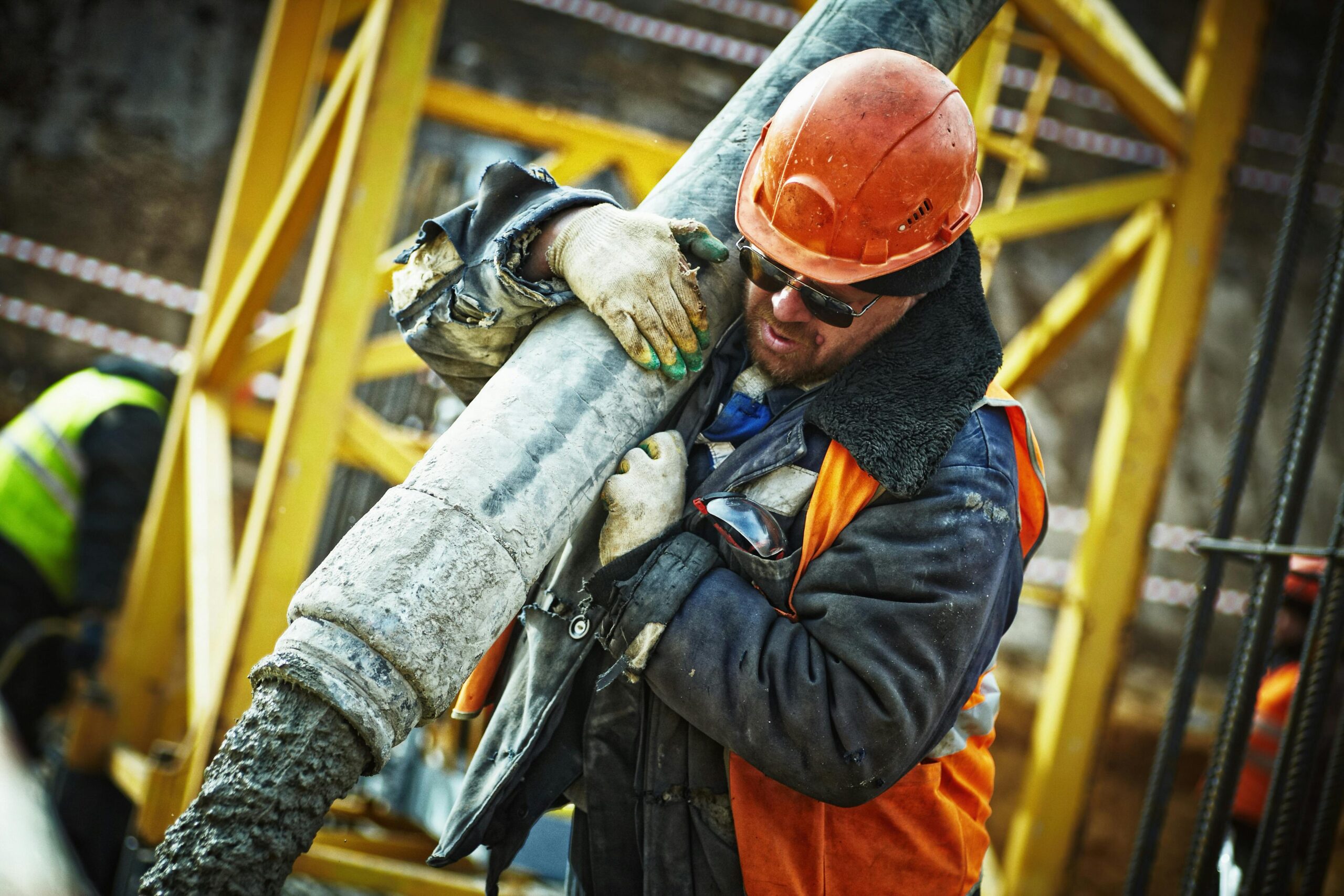
Concrete Pumping Insurance Guide
Operating a concrete-pumping business is rewarding—yet it also carries unique risks. From heavy machinery failures to on-site liability exposures, a single incident can cost thousands of dollars and damage your reputation. If you’re based in Brisbane and run a concrete pumping operation, you need specialist protection. That’s where Morgan Insurance Brokers can step in.
In this blog we explore what “concrete pumping insurance” really means, why you need it, what it should cover, and how Morgan Insurance Brokers helps you find the right solution.
1. What is Concrete Pumping Insurance?
Concrete pumping insurance is a tailored set of insurance covers designed for businesses that operate concrete pumps whether truck-mounted booms, trailer-mounted pumps or line pumps. Standard business insurance often does not sufficiently cover the unique hazards of concrete pumping such as boom collapse, over-spray damage, or equipment breakdown on site.
Key features include:
- Public Liability: covering injury or property damage caused by your pump equipment or operations.
- Plant & Equipment / Machinery Breakdown: covering the cost of repairing or replacing the pump unit, booms, hoses, outriggers.
- Commercial Vehicle / Truck Insurance: especially if your pump is mounted on a truck and you drive it to sites.
- Business Interruption / Loss of Hire: your pump downtime can mean lost income or costly substitute hire.
2. Why Concrete Pumping Businesses in Brisbane Should Prioritise Insurance
Here are specific reasons concrete pumping firms must secure robust cover:
- High-value assets: A concrete pump truck is a major investment. If the boom fails or the truck is damaged, repair/replacement is expensive.
- On-site risk: Boom arms operate in complex environments, adjacent structures, public access, utilities. Mishaps can lead to third-party property damage or bodily injury.
- Transit risk: Moving the pump between sites introduces vehicle, traffic and set-up hazards.
- Downtime costs: If your pump is out of easy, each day can mean lost revenue or costly hire of replacement equipment.
- Contractual and compliance obligations: Many construction contracts or site operators will insist on insurance and proof of cover before you can work.
- Industry specificity: Because concrete pumping has specialised risks, general plant or commercial vehicle insurance may leave gaps.
3. What to Look for When Selecting a Policy
When you engage with Morgan Insurance Brokers (or any broker) to secure concrete pumping insurance, you should carefully evaluate the following:
a) Coverage Scope
- Does the policy include Public Liability insurance (injury/property damage) explicitly for pump operations?
- Does it cover Equipment/Plant Breakdown, including the boom, outriggers, hoses etc?
- Are Business Interruption / Loss of Hire covers included or available as an option?
- Is Vehicle/Truck Insurance integrated or separate?
b) Risk Exclusions & Conditions
- Are there restrictions on the age or type of boom?
- Are certain types of jobs or locations excluded (e.g., high-rise pours, remote sites)?
- Are there sub-limits on certain exposures (e.g., damage to third-party structure, over-spray, pollution)?
c) Policy Value & Premium Impacts
- How is the sum insured for the boom/truck determined?
- Does the business size, pump value, boom length, geographical location and claim history affect premium?
d) Broker Support & Claims Handling
At Morgan Insurance Brokers, we understand that time is money, especially when your equipment, like a pump, is out of action. Every hour of downtime can impact your operations and profitability. That’s why our efficient claims handling process is designed to get you back up and running as quickly as possible.
Our team works directly with insurers and repair specialists to streamline communication, minimise delays, and fast-track approvals. With Morgan Insurance Brokers on your side, you won’t be left waiting in the dark, we’ll keep you informed every step of the way and push for the swiftest possible outcome.
Whether it’s machinery breakdown, property damage, or business interruption, Morgan Insurance Brokers ensures your claim is handled with urgency, accuracy, and care, because we know that getting you back to business fast is what really matters.
4. How Morgan Insurance Brokers Helps You Get Insured
Here’s why partnering with Morgan Insurance Brokers can give you an advantage:
- Industry-tailored expertise: At Morgan Insurance Brokers, we don’t believe in one-size-fits-all coverage. Every industry comes with its own unique set of challenges, exposures, and compliance requirements and we take the time to understand them inside out.
Because we know your industry, we also know which policies provide real protection and which exclusions could leave you exposed. We carefully analyse policy wording, compare insurer options, and negotiate on your behalf to ensure you get the right level of cover, without paying for what you don’t need.
With Morgan Insurance Brokers, you gain a partner who speaks your industry’s language, understands your priorities, and works tirelessly to secure the best coverage at the most competitive price. It’s not just insurance, it’s tailored protection built around your business.
- Access to multiple insurers: One of the biggest advantages of working with Morgan Insurance Brokers is our access to an extensive panel of trusted insurers, both major national providers and specialised niche underwriters. This broad network gives us the flexibility to compare multiple coverage options, premiums, and policy terms, ensuring that your business receives the most comprehensive protection at the most competitive rate.Rather than being tied to a single insurer, we act as your advocate in the marketplace, sourcing, negotiating, and tailoring policies that truly fit your needs. This means you benefit from our ability to identify the best value without compromising on coverage quality.
- Local Brisbane presence:
At Morgan Insurance Brokers, we’re proud to be locally based right in the heart of Brisbane’s CBD, making us easily accessible to businesses across Queensland. Our local presence means we’re not just a voice on the phone, we’re part of your community. We understand the regional challenges, industry trends, and environmental factors that can affect Queensland businesses.
Being close by also allows us to offer a more personalised and responsive service. Whether you prefer face-to-face consultations, on-site risk assessments, or simply knowing your broker is nearby when you need them, our Brisbane team is here to help.
With a strong local network and deep understanding of the Queensland business landscape, Morgan Insurance Brokers delivers the perfect balance of local expertise and national insurer access, ensuring you get the right advice, fast support, and coverage tailored to where you do business.
- Simplified process: At Morgan Insurance Brokers, we believe insurance doesn’t have to be complicated. Our goal is to make the entire process, from obtaining quotes to managing claims, as straightforward and stress-free as possible. We provide tailored guidance every step of the way, helping you understand your options, select the right policy, and avoid the common pitfalls that can lead to costly surprises later on.
Our streamlined quote process ensures you receive clear, comparable options without unnecessary jargon or delays. Once your cover is in place, our dedicated team continues to support you, whether you need to make policy adjustments or lodge a claim. We’ll handle the paperwork, liaise with insurers, and keep you informed throughout the process, so you can stay focused on running your business.
- Focus on your business: At Morgan Insurance Brokers, we know that no two businesses operate the same way and neither should their insurance. That’s why we take the time to listen carefully and understand the details of your operation before recommending any cover. Our brokers will assess your setup in depth from the type of pumps you use, how and where they’re operated, the number of sites you manage, and your overall risk profile.
By gaining a clear picture of how your business runs day-to-day, we can identify the exposures that truly matter and match you with policies that offer meaningful protection, not unnecessary extras. This tailored approach ensures that your insurance supports your operations, rather than standing in the way of them.
With Morgan Insurance Brokers, you get more than a policy, you get a team that’s genuinely invested in understanding your business, anticipating your risks, and helping you stay focused on what you do best.
5. Steps to Secure Your Concrete Pumping Insurance
Here’s a recommended workflow:
- Gather your business information
- List your equipment: truck-mounted boom length, trailer pumps, hose lengths, fleet size
- Operation details: residential vs commercial vs infrastructure pours, geographic area (Brisbane/QLD?)
- Transport/usage details: number of moves per year, major sites, set up/tear down frequency
- Contact Morgan Insurance Brokers
- Explain you’re in the concrete pumping industry and require “Concrete Pumping Insurance / Public Liability & Truck Insurance for Concrete Pumping Business”.
- Provide your business profile, risks, and ask for tailored quote(s).
- Review proposed policy(s)
- Check cover types, premium, excess, exclusions, policy conditions
- Ask for business interruption / loss of hire cover options if income depends heavily on the pump.
- Confirm that transport, on-site use, third-party liability, plant breakdown are covered.
- Implement risk mitigation
- Maintain your equipment and keep documentation.
- Ensure operator training and safe site practices.
- Keep a clean claims record, insurance premiums and eligibility depend on this.
- Keep policy updated
- As your fleet grows, boom length changes, you operate in different jurisdictions or take new contract types, inform your broker so your cover remains adequate.
- Renew annually with review of usage, risks and cover adequacy.
Conclusion
If you operate in the concrete pumping sector in Brisbane, having the right insurance is not a “nice to have” it’s essential. With heavy equipment, public exposure and high value assets, the financial risk of a claim, breakdown or accident is significant.
Morgan Insurance Brokers offers a specialist pathway to obtaining concrete pumping-specific coverage. They understand the trade, know the insurers, and guide you through the process from risk assessment through policy selection and claims support. Reach out to them today to get your business insured and protected.
Ready to protect your concrete pumping business?
Contact Morgan Insurance Brokers today for a tailored quote and expert advice:
📞 Phone: 1300 109 778
📍 Office: Level 38, 71 Eagle Street, Brisbane City QLD 4000

A Landlord's Guide to Commercial Property Insurance: Beyond the Building
If you’re a landlord with a commercial property, whether it’s a retail shopfront, an office block, or a small industrial shed, insurance probably isn’t something you think about every day. Until something goes wrong, that is.
Commercial property insurance is the backbone of your investment’s protection. But here’s the thing, most landlords underestimate what it really covers, and more importantly, what it doesn’t.
Understanding Commercial Property Insurance
At its core, commercial property insurance is designed to appropriately protect your physical assets, your building, fixtures, and fittings, all from damage caused by unexpected events like fires, storms, vandalism, or theft. It acts as a safety net that keeps your investment from turning into a liability overnight.
But in practice, the policy does more than just replace damaged walls or windows. It keeps your tenants trading safely, your rental income flowing, and your own costs under control while repairs are being made. In other words, it keeps your property viable.
Still, not every policy is made equal. Some landlords take out the bare minimum, only to find out later that the minimum doesn’t stretch as far as they thought.
What Does Standard Commercial Property Insurance Cover?
A basic commercial property insurance policy will usually cover:
- Building structure, such as the bones of the property, including walls, roofs, floors, and fixed installations like plumbing or air-conditioning systems.
- Fixtures and fittings, like things permanently attached to the building (think built-in counters, lighting, or kitchen units).
- Accidental or malicious damage due to fire, storms, or vandalism.
- Theft or attempted theft, provided there’s evidence of forced entry.
That’s the foundation. However, for most landlords, especially those leasing to multiple tenants or operating high-value spaces, such coverage is no longer sufficient.
Additional Coverages Landlords Should Consider
This is where some landlords separate themselves from others. Because if you’re only insuring the structure, you’re leaving yourself exposed to a long list of potential losses that standard cover won’t touch. A few key extras to consider include:
- Rent default insurance protects landlords if a tenant fails to pay rent, helping to cover lost rental income and associated legal costs to recover rent or evict tenants.
- Public liability insurance, which covers legal costs and compensation if someone is injured on the property due to maintenance issues of negligence. This protects you from costly lawsuits down the road.
- Machinery and equipment breakdown insurance; if you own or supply plant, lifts, or HVAC systems, a breakdown can halt operations. This type of cover helps get things promptly repaired.
- Theft and burglary insurance, which covers losses due to theft or burglary of fixtures, fittings, and landlord-owned contents of the premises.
- Other optional coverages include cover for weather-related damage, vandalism, accidental damage to the building, employee dishonesty, and more.
Essentially, “beyond the building” cover is about protecting the income stream tied to your property, not just the physical structure.
Common Mistakes Landlords Make
Even experienced landlords slip up when it comes to insurance. Here are a few traps to avoid:
- Underinsuring the property. Many owners underestimate rebuild costs. Between labour shortages and material inflation, today’s construction costs can easily outstrip older valuations.
- Forgetting loss of rent cover. If your tenant can’t trade, they can’t pay rent. Too many landlords skip this, assuming their property will bounce back quickly.
- Assuming the tenant’s insurance covers everything. Tenants usually cover their own fit-out and liability, not your structure or your rental income.
- Not updating policies after renovations or tenant changes. If you’ve improved the building or changed the tenancy layout, your policy needs to reflect that.
- Choosing price over quality. The cheapest premium often means the thinnest coverage. Saving a few hundred dollars now can cost you thousands later.
Partner with Morgan Insurance Brokers Today
At Morgan Insurance Brokers, we partner with landlords across Australia, from small retail property owners to large commercial investors, to design insurance solutions that accurately reflect their unique risks.
Before the next storm hits or a tenant vacates, take the time to ensure your policy provides the protection it should. When unforeseen events occur, that’s not the moment to discover your cover is incomplete.
Start with us today.
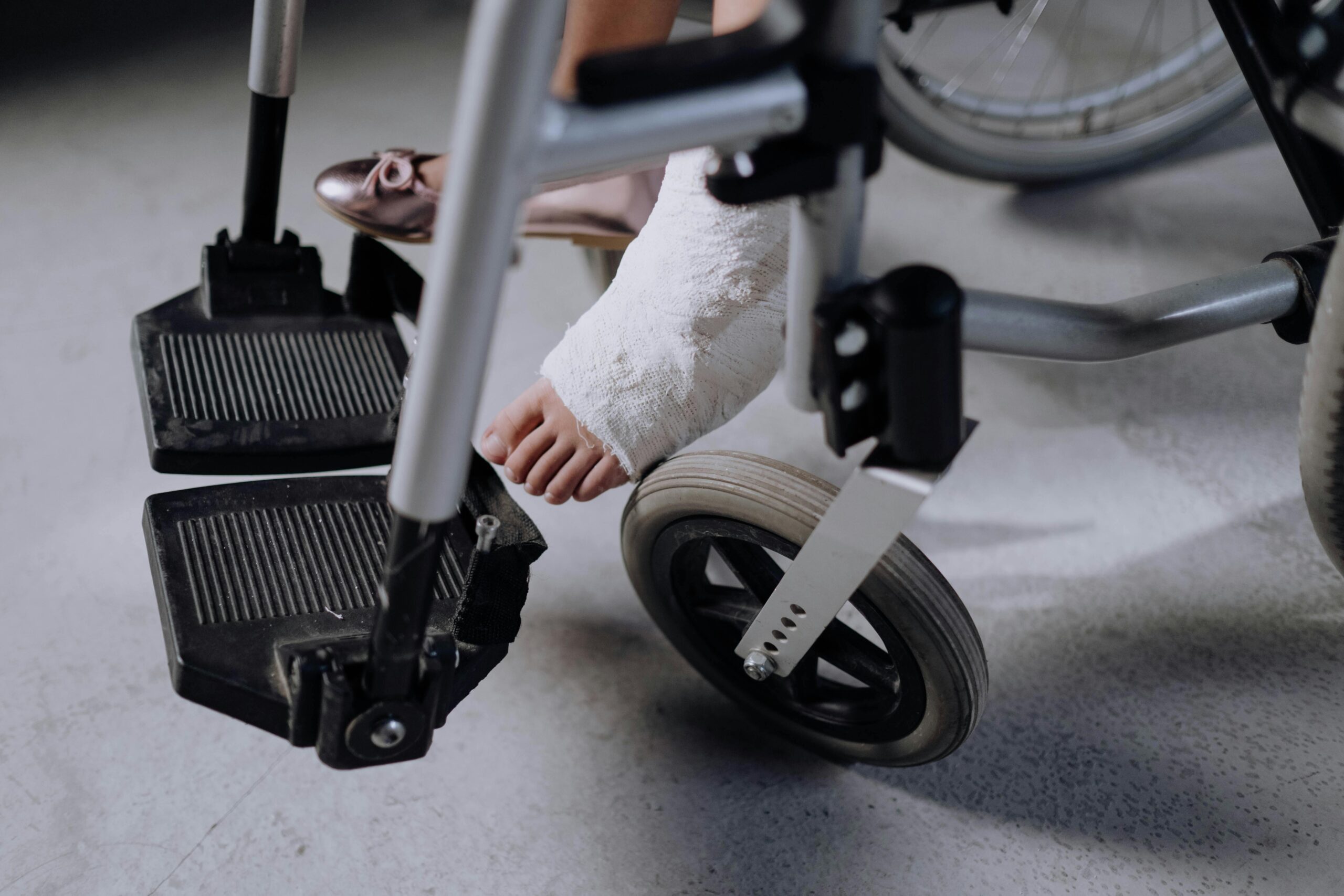
How Morgan Insurance Brokers Helped a Client Get Cover After Their Renewal Was Declined
When Renewal Becomes a Challenge
The Challenge: Finding Cover with an Open Claim
-
You can’t simply “switch insurers” at renewal.
-
You may be left uninsured for an extended period.
-
Your business or personal assets could be at serious risk.
The Solution
-
Transparent communication with potential insurers
-
Presenting supporting information to demonstrate good risk management
-
Customising coverage terms to satisfy both parties
Why It Matters
-
An open personal injury claim
-
A poor claims history
-
Lapsed cover
-
Or simply being placed in a higher risk category
Need Help After a Declined Insurance Renewal?
EPS Construction in Australian Homes: The Smart Choice That Challenges Insurers
What Is EPS Construction?
Expanded Polystyrene (EPS) construction — often used in insulated panels for walls and roofs — is gaining popularity in Australia for its energy efficiency, cost-effectiveness, and ease of installation. EPS homes can achieve superior insulation performance compared to traditional brick or timber builds, leading to lower energy bills, faster construction times, and improved sustainability.
Why EPS Is a Great Building Choice
EPS panels are lightweight yet strong, and their high thermal performance helps homeowners maintain comfortable indoor temperatures year-round. Builders appreciate the speed and precision EPS offers, while homeowners enjoy the reduced heating and cooling costs. Additionally, EPS can contribute to lower environmental impact thanks to its recyclability and reduced material waste.
In short, EPS offers:
- Excellent thermal efficiency
- Lightweight yet durable structure
- Fast, cost-effective builds
- Sustainable and recyclable materials
Why EPS Homes Can Be Hard to Insure
Despite its benefits, EPS construction can raise red flags with many Australian insurers. This is primarily due to:
- Fire Risk: EPS is combustible, and while most systems use fire-retardant panels, insurers may still classify them as high-risk.
- Water Damage Concerns: Poor installation or maintenance can lead to moisture ingress, which compromises structural integrity.
- Limited Data: Many insurers still view EPS homes as “non-standard,” with fewer long-term data sets compared to brick or concrete construction.
As a result, some mainstream insurers decline cover altogether or charge higher premiums for EPS-built properties — leaving homeowners frustrated.
How Morgan Insurance Brokers Finds Solutions
At Morgan Insurance Brokers, we understand that EPS homes shouldn’t be penalized simply because they use modern materials. Our brokers specialize in finding tailored insurance solutions through a wide network of underwriters who recognize the benefits of alternative construction methods.
We work with you to:
- Assess your EPS home’s specifications
- Connect with insurers experienced in EPS risk management
- Secure competitive coverage options that protect your investment
Our goal is to make sure you’re fully covered — without paying unnecessary premiums.
Our Other Home Insurance Services
Beyond EPS construction coverage, Morgan Insurance Brokers offers a range of comprehensive home insurance services, including:
- Standard home and contents insurance
- Landlord and investment property insurance
- Strata and townhouse insurance
- High-value home and prestige property insurance
- Flood, storm, and fire risk coverage solutions
Whether you’ve built with EPS or traditional materials, we’re here to protect your home and peace of mind.
Ready to protect your EPS home?
Contact Morgan Insurance Brokers today to discuss the right cover for your property.

Why Buying Insurance Through Your Bank Could Cost You — And Why Using a Broker Like Morgan Insurance Brokers Makes More Sense
What happens when you buy insurance through your bank
-
The bank is likely promoting its own affiliated insurance product (or insurer) rather than objectively shopping the market.
-
The salesperson at the bank may be incentivised to sell that product, rather than to find the best product for you.
-
Your needs may be complex, changing, or specific — but the product is standardised.
-
You may be missing out on specialist cover, competitive pricing, or exclusions you don’t realise.
Limited market‐choice
-
Comparing multiple insurers with different policy terms, pricing and excess levels
-
Tailoring the cover to your exact risk profile (especially for business)
-
Having access to higher-end or specialist insurers if your risk is unusual
Less value in advice and ongoing support
-
The staff may not be specialised in insurance; they may be salespeople rather than insurance risk advisers.
-
If you have a claim, there’s less chance of proactive support, advocacy or broker-level assistance.
-
If your situation changes (you grow your business, or your asset/risk base shifts), the product may not adapt, and you may need to renegotiate yourself.
Cost isn’t everything, but you might pay more
-
One size fits all products may include cover you don’t need (which you pay for) or exclude things you do need.
-
The bank may not negotiate the best premiums across the market because they’re locked into one insurer relationship.
Why using an insurance broker makes sense
-
The broker has no incentive (in theory) to push one insurer’s product over another just because of internal deals.
-
You can get a truly competitive market search — more insurers, more options, better fit.
-
You get ongoing service: reviewing annually, adapting when your circumstances change.
-
Review your policy at each renewal and adjust if your operations or risk change
-
Help you with emerging risks (cyber, equipment upgrades)
-
Be there when something goes wrong — you don’t have to fight through bank call-centres or generic insurer procedures alone
What to Look for in a Good Insurance Broker (and Why Morgan Delivers)
-
Do they understand your industry / business risk?
-
Do they have access to multiple insurers (lots of choice)?
-
Do they review annually and keep your cover up to date?
-
Do they provide claims support (not just “we sell the policy”)?
-
Are they independent and acting in your interest rather than locked to one insurer?
-
Do they have good reputation, transparency of cost / fees?
