

Top Insurance Mistakes Sydney Small Businesses Make (And How to Avoid Them)
Small businesses across Sydney face unique risks, from public liability claims to cyber attacks and contract disputes. Unfortunately, many NSW business owners unknowingly make insurance mistakes that leave them underinsured, non-compliant, or financially exposed.
Here are the most common insurance mistakes Sydney small businesses make, and how to avoid them.
Being Underinsured to Reduce Premiums
Many Sydney businesses hold multiple insurance policies, and paying substantial premiums for mandatory cover can feel expensive and overwhelming. Insurances such as workers’ compensation, motor vehicle, and public liability are often compulsory and sometimes quite costly.
However, underdeclaring your wages for workers’ compensation will not actually save you money. You are required to declare your actual wages at the end of the policy period, and the insurer will adjust your premium accordingly. In addition, workers’ compensation insurers may impose penalties for underreporting.
Underinsuring other policies can also lead to serious financial consequences. For example, reducing the insured value of motor vehicles, plant, or equipment to lower premiums can backfire. In a real world scenario, if a vehicle or piece of machinery is written off and the insurer’s settlement is based on an undervalued amount, the payout may not be enough to cover any outstanding finance balance.
The small amount you might save by underinsuring your policies could result in significant financial hardship in the event of a claim.
Fortunately, this can be avoided by regular reviews of your insurance policies. Engaging an experience Sydney insurance broker can help pick up any issues of underinsurance and avoid the issues before they cause any issues.
Assuming Small Businesses Don’t Get Claims
No business is immune to accidents or incidents that result in insurance claims. In fact, small businesses can sometimes be more likely to experience a claim because they may not yet have the policies, procedures, and systems in place to effectively manage and reduce risk.
For example, a business may not engage an IT provider to support its cyber security, leaving it vulnerable to cyber attacks. There may be insufficient staff training, increasing the likelihood of workplace injuries. A lack of proper driver vetting procedures could also result in inexperienced or unsuitable drivers operating company vehicles, leading to motor vehicle accidents.
All businesses carry risks, and just because a business is small, it doesn’t mean their risk of a claim is lowered.
Not Understanding Policy Exclusions and Limits
Purchasing insurance is only the first step in protecting your business. The second and equally important step is ensuring the policy provides adequate cover and does not exclude the very risks you need protection against.
Many insurance policies contain significant exclusions. These exclusions can be subtle, buried deep within a lengthy policy document, or written in complex language that makes them difficult to identify or fully understand. As a result, business owners may not realise certain risks are excluded until it is too late, often at claim time.
When you work with a broker, they take the time to source a policy suited to your business and clearly explain key exclusions, particularly those that could impact you in the event of a claim.
Another critical factor to consider is the policy excess. Some policies may have an excess of $500, while others particularly where subcontractors are involved can range from $10,000 to $100,000 or more. Understanding how much you would be required to contribute in the event of a claim is essential to managing your financial risk.
Missing NSW-Specific Insurance Requirements
Theres a few mandatory insurances that small businesses in Sydney that should be considered. The first being workers compensation insurance. Where you meet the requirements to take out a workers compensation policy, it is a legal requirement and is illegal not to have cover for.
Depending on your occupation, professional indemnity insurance is mandatory. These occupations would be lawyers, conveyancers, real estate agents, medical professionals etc.
Not Updating Insurance as the Business Grows
Sydney Businesses can experience terrific growth, and with that growth should be an insurance program that is being updated, and accurately reflects your business and risk at any point in time.
There would be nothing worse than having a great year in business, only to be set back by an insurance claim that doesn’t pay out and leaves you out of pocket.
A Sydney Insurance Broker that specialises in risk management, clear communication, and ensuring that your business is properly protected can insure that your insurance policy keeps up with your growing business.
Relying Only on Online or Direct Insurance
Going online to purchase insurance on an online platform or comparison site may sound easy and convenient. However, what’s not convenient is having to deal with claims all by yourself without the support of a broker which could result in endless hours on the phones with the insurers yourself, dealing and battling your own insurance claims.
It’s also important to understand that online comparison sites are typically paid commissions for selling policies. Their role is to facilitate transactions, not to provide tailored advice or act in your interests. They do not take the time to understand your specific situation, exposures, or business, nor do they assist you in reviewing and adjusting your cover as your circumstances change.
While online platforms can offer convenience upfront, they often lack the personalised advice, ongoing support, and claims help that can make a significant difference when you need it most.
Overlooking Business Interruption and Cyber Insurance
For small Sydney bricks and mortar businesses, the first thing that is on the insurance checklist is most likely fire cover. The forgotten and overlooked insurance that pairs with fire cover, is business interruption. It protects your income whilst you replace or repair any damages from a fire, storm, or event that your policy covers.
According to National Retail, Up to 70 % of businesses fail following a significant event if they did not have business interruption insurance for events such as fire or storm.
Cyber insurance is changing to be a staple insurance for most businesses, but there is still the assumption “I have an IT team, I don’t need Cyber Insurance”, which is far from incorrect, as an IT team will still bill you for any hours in the event of an attack, and you’ll still be responsible for any fall out, or incurred expenses after a loss.
According to the Australian Signals Directorate’s Annual Cyber Threat Report, the average cost of a cyber crime incident for a small business was about $49,600 in the most recent reporting period. For a small business, one cyber attack could be enough to close a small business down permanently.
How Sydney Small Businesses Can Avoid Insurance Mistakes
✔ Review insurance annually
✔ Ensure NSW compliance
✔ Understand exclusions and limits
✔ Update cover as your business grows
✔ Use a Sydney-based insurance broker
Frequently Asked Questions
What insurance is mandatory for small businesses in NSW?
Workers compensation insurance is mandatory if you employ staff in NSW. Other insurance types may be required by contracts, councils, or regulators.
Do Sydney small businesses really need an insurance broker?
Yes. An insurance broker provides tailored advice, ensures compliance, and advocates for you during claims, something direct insurers don’t do.
How often should business insurance be reviewed?
At least once per year, or whenever your business changes (new staff, contracts, equipment, or services).
What is the biggest insurance mistake small businesses make?
Being underinsured or misunderstanding what their policy actually covers.
Final Takeaway
Insurance isn’t just a legal requirement; it’s protection for everything you’ve worked hard to build.
If you’re unsure whether your current cover is right, speaking with a Sydney insurance broker can help you avoid costly mistakes and gain peace of mind.

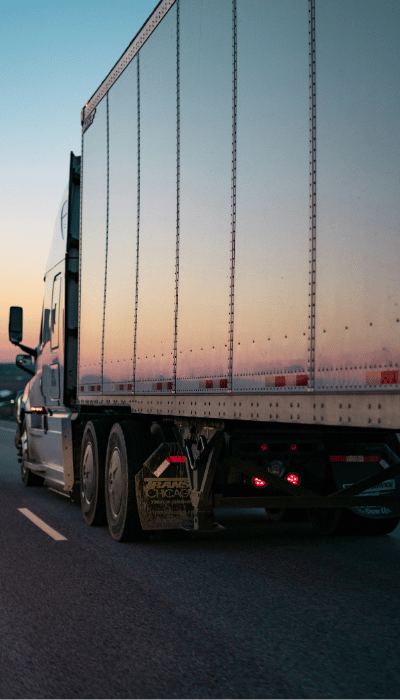
How Much Is Truck Insurance?
If you operate a truck in Brisbane or QLD, one of the most common questions you’ll ask is: how much is truck insurance?
The short answer is, it depends. Truck insurance costs can vary significantly based on your vehicle, location, usage, and risk profile.
In this guide, we break down average truck insurance costs, what affects your premium, and how working with a broker can help you get better value cover.
Average Cost of Truck Insurance in Brisbane or QLD
While no two policies are the same, most truck insurance premiums in Brisbane or QLD typically fall within these ranges:
- Owner-drivers: $3,000 – $8,000 per year
- Rigid trucks: $4,000 – $10,000 per year
- Prime movers: $6,000 – $15,000+ per year
- Fleet insurance: Varies depending on vehicle count and claims history
In Brisbane and South East Queensland, premiums may be higher due to increased traffic density, weather exposure, and construction activity.
For tailored pricing, see our Truck Insurance Brisbane page.
What Affects the Cost of Truck Insurance?
Several factors influence how much you’ll pay for truck insurance.
1. Type of Truck
The size, value, and purpose of your vehicle matters. For example:
- Prime movers and refrigerated trucks generally cost more to insure
- Older trucks may attract higher premiums due to repair availability
2. How the Truck Is Used
Insurers assess:
- Distance travelled
- Urban vs regional routes
- Interstate or intrastate transport
- Type of goods carried
Higher-risk loads or long-haul work usually increase premiums.
3. Driver History
Your driving and claims history plays a major role. Clean records often mean:
- Lower premiums
- Better excess options
- Wider insurer choice
4. Location
Operating in high-traffic areas like Brisbane, Logan, or Ipswich can increase costs due to accident frequency and theft risk.
5. Level of Cover
The more comprehensive your policy, the higher the premium, but also the better the protection.
Common options include:
- Comprehensive truck insurance
- Third-party property damage
- Downtime cover
- Windscreen cover
- Public liability insurance
What Type of Truck Insurance Is Cheapest?
The cheapest option is usually third-party property damage, but it only covers damage you cause to others, not your own truck.
While comprehensive cover costs more upfront, it can save you significantly if your truck is damaged, stolen, or written off.
Learn more about Public Liability Insurance and Transit Insurance to protect your business beyond the vehicle itself.
How Much Is Truck Insurance in Queensland?
Queensland truck insurance premiums are often influenced by:
- Flood and storm exposure
- Urban congestion
- Long-haul freight routes
Brisbane-based operators should ensure policies clearly define flood cover, as exclusions vary between insurers.
How Can You Reduce Truck Insurance Costs?
Here are proven ways to manage premiums:
- Increase your excess (where suitable)
- Maintain a clean claims history
- Install GPS tracking or security devices
- Bundle vehicles under a fleet insurance policy
- Review cover annually with a broker
A specialist broker can compare multiple insurers to find the right balance between cost and protection.
Is Truck Insurance Tax Deductible?
In most cases, truck insurance premiums are tax deductible if the vehicle is used for business purposes. Always check with your accountant to confirm eligibility.
Why Use a Truck Insurance Broker?
A broker doesn’t just look for the cheapest policy, they look for the right cover.
At Morgan Insurance Brokers, we:
- Compare specialist truck insurers
- Negotiate terms and premiums
- Ensure policies match Queensland regulations
- Provide claims support when it matters most
Speak to our team about Truck Insurance Brisbane for a tailored quote.
Final Thoughts: How Much Should You Expect to Pay?
There’s no fixed price for truck insurance, but understanding the factors involved helps you budget accurately and avoid underinsurance.
If you want a clear, obligation-free quote, working with a specialist broker ensures you’re not paying for cover you don’t need, or missing cover you do.
Get a Quote

What Business Insurance Is Mandatory in Australia?
Understanding which business insurance is mandatory in Australia is essential for business owners, employers, and sole traders. While not every type of insurance is legally required, failing to hold compulsory cover can result in fines, legal action, or the inability to operate your business.
Operating without the right insurance exposes businesses to serious financial and legal risks. Learn more about the risks of operating without business insurance and how uninsured claims can impact your business.
This guide explains what insurance Australian businesses must have, when it applies, and what additional cover is strongly recommended.
Is Business Insurance Mandatory in Australia?
There is no single business insurance policy that is mandatory for all businesses in Australia. However, certain types of insurance are legally required depending on your business structure, activities, and whether you employ staff.
In practice, many businesses must hold specific insurance policies to:
- Comply with Australian laws and regulations
- Meet contractual or licensing requirements
- Protect against significant financial risk
Workers Compensation Insurance (Mandatory for Employers)
If your business employs workers, Workers Compensation Insurance is legally mandatory in every Australian state and territory.
This insurance covers employees for:
- Workplace injuries or illness
- Medical expenses
- Lost wages
- Rehabilitation costs
Workers compensation requirements vary by state, but all employers must hold cover from an approved insurer or state authority.
Learn more about Workers Compensation Insurance and employer obligations.
Compulsory Third Party (CTP) Motor Insurance
If your business owns or operates vehicles, Compulsory Third Party (CTP) insurance is mandatory. This cover is required to register vehicles and provides protection for injuries caused to other road users.
CTP insurance does not cover property damage or vehicle repairs, so businesses often require additional commercial motor insurance.
When Is Public Liability Insurance Required?
Public Liability Insurance is not legally mandatory in all cases, but it is often required by:
- Local councils
- Landlords
- Event organisers
- Principal contractors
- Licensing bodies
Many businesses cannot operate without public liability insurance, particularly those that:
- Interact with the public
- Work at client premises
- Operate from leased locations
- Provide on-site services
Read more about Public Liability Insurance and when it’s required.
Professional Indemnity Insurance (Mandatory for Some Professions)
For certain professions, Professional Indemnity Insurance is mandatory under industry regulations or licensing requirements.
This commonly applies to:
- Financial advisers
- Accountants
- Engineers
- Consultants
- Architects and designers
Professional indemnity insurance protects against claims arising from advice, errors, or professional services.
👉 Learn more about Professional Indemnity Insurance.
Other Insurance Commonly Required by Contract or Licence
While not legally compulsory, the following types of insurance are often required by contracts, regulators, or industry standards:
- Management Liability Insurance – for companies with directors and employees
- Cyber Insurance – increasingly required for businesses handling customer data
- Business Insurance Packages – often required by landlords or financiers
Holding these policies can be essential for winning contracts and protecting your business.
If you’re unsure which insurance policies apply to your situation, this guide explains what insurance you need for your small business and how coverage requirements vary.
What Happens If You Don’t Have Mandatory Insurance?
Operating without required insurance can lead to:
- Fines and penalties
- Breach of contract or lease agreements
- Legal claims against your business
- Personal liability for directors or sole traders
- Loss of licences or inability to operate
Even where insurance is not legally mandatory, the financial consequences of operating without cover can be severe.
How an Insurance Broker Can Help
Understanding which insurance is mandatory for your business can be complex, particularly when requirements vary by state, industry, and business structure.
An experienced business insurance broker can:
- Identify which insurance policies are legally required
- Explain contractual and licensing insurance obligations
- Arrange suitable cover from approved insurers
- Ensure your business remains compliant
- Assist with claims and ongoing policy reviews
Working with a broker helps ensure you meet your legal obligations while avoiding unnecessary or unsuitable cover.
Final Thoughts
While not all business insurance is mandatory in Australia, some types of cover are legally required, and others are essential for operating your business safely and compliantly.
If you’re unsure which insurance your business must have, seeking professional advice can help prevent costly mistakes. For a broader overview of protecting your business, read our short guide to insurance success for business owners.
Speak with Morgan Insurance Brokers to confirm your mandatory insurance requirements and arrange suitable cover for your business.

What Happens If You Don’t Have Public Liability Insurance?
Running a business without Public liability insurance can expose you to serious financial, legal, and operational risks. While public liability insurance is not always legally mandatory in Australia, operating without it can leave your business vulnerable if a third party is injured or their property is damaged as a result of your business activities.
For many Australian businesses, the consequences of not having public liability insurance can be severe.
You Could Be Personally Liable for Claims
If your business causes injury to a customer, client, or member of the public, you may be held legally responsible for compensation and legal costs. Without Public liability insurance, your business must pay these costs out of pocket.
This can include:
- Medical expenses
- Legal defence costs
- Court settlements or compensation payouts
- Repair or replacement of damaged property
For sole traders and small businesses, these costs can quickly become financially devastating.
Learn more about Public Liability Insurance and how it protects your business.
Legal Costs Can Add Up Quickly
Even if you believe your business is not at fault, defending a claim can still be expensive. Legal fees alone can run into tens of thousands of dollars before a matter is resolved.
Without public liability insurance, you are responsible for:
- Hiring legal representation
- Court and investigation costs
- Settlement negotiations
Insurance not only helps cover compensation, but also provides access to legal support when claims arise.
Your Business Could Lose Contracts or Leases
Many landlords, councils, suppliers, and clients require businesses to hold Public liability insurance before they will:
- Sign a commercial lease
- Award contracts
- Allow access to worksites
- Approve event participation
Without insurance, your business may miss out on work opportunities or be unable to operate in certain locations.
This is particularly common for:
- Construction and trade businesses
- Hospitality and retail venues
- Event-based businesses
- Contractors and consultants
Your Personal Assets May Be at Risk
If your business structure does not offer full protection (such as a sole trader or partnership), you could be personally liable for claims. This means personal assets such as savings, vehicles, or property may be at risk if a claim exceeds your business’s ability to pay.
Having the right business insurance in place can help separate business risks from your personal finances.
Explore tailored Business Insurance solutions.
Claims Can Disrupt or Close Your Business
A single uninsured incident can significantly disrupt operations. In some cases, businesses are forced to close after a major claim due to the financial strain.
Public liability insurance helps protect against:
- Unexpected claims
- Business disruption
- Reputational damage
- Loss of income due to legal action
For many businesses, insurance is not just protection, it’s essential for long-term survival.
Is Public Liability Insurance Mandatory in Australia?
Public liability insurance is not legally mandatory in all situations. However, it is often required by:
- Local councils
- Landlords
- Industry regulators
- Clients or principal contractors
In practice, many businesses cannot operate without it.
Read more about what business insurance is mandatory in Australia on our site.
How an Insurance Broker Can Help
An experienced insurance broker can help you determine whether public liability insurance is required for your business and arrange suitable cover based on your risks and activities.
A broker can:
- Assess your business operations and risk exposure
- Recommend appropriate levels of public liability cover
- Compare policies from multiple insurers
- Explain exclusions and policy conditions
- Assist with claims if an incident occurs
Working with a broker helps ensure you are protected without paying for unnecessary cover.
Speak with a Brisbane business insurance broker for tailored advice.
Final Thoughts
Operating without public liability insurance exposes your business to significant financial and legal risk. Even a minor incident can result in costly claims, lost contracts, or long-term damage to your business.
If you’re unsure whether your business needs public liability insurance, seeking advice early can help prevent serious problems later.
Contact Morgan Insurance Brokers to discuss your business risks and arrange suitable public liability insurance cover.
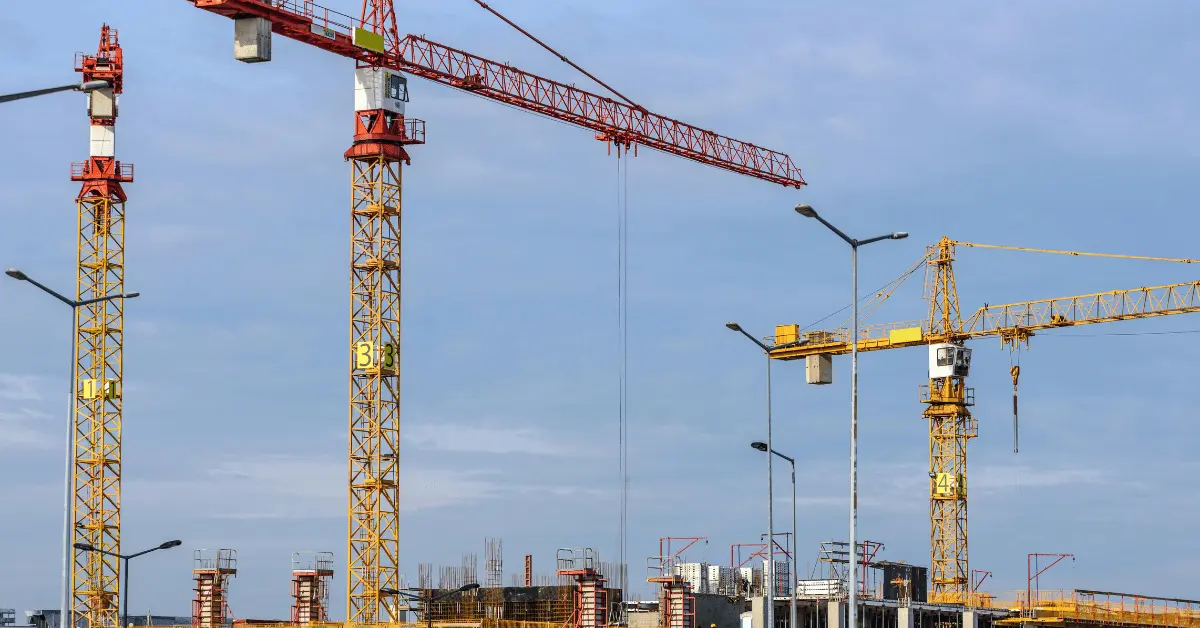
What Types of Insurance Do Construction Businesses Need?
Running a construction business in Australia involves more than managing projects, subcontractors, and deadlines, it also means managing risk. From accidental property damage to workplace injuries and contractual disputes, construction businesses face exposures that can quickly become financially devastating without the right insurance in place.
Understanding which types of construction insurance you actually need, and why, is essential for protecting your business, meeting contract requirements, and securing ongoing work.
Below, we break down the key insurance policies construction businesses should consider, and how they work together to form a solid risk management strategy.
Public Liability Insurance for Construction Businesses
Public Liability Insurance is the most critical insurance that a construction business should insure for. It's a cover that protects your business for when claims are brought against you for negligence, or even alleged negligence for damages to third party property, or injury to third parties that are not your employees. Public Liability and Workers Compensation are considered the 2 non-negotiable insurances as the likelihood of a claim occurring are higher in this industry than others.
Construction is considered a high-risk industry. According to Safe Work Australia, construction consistently records one of the highest numbers of serious workplace injury claims, with falls, slips and trips among the leading causes of injury. These types of incidents don’t just affect workers, they can also involve clients, subcontractors or members of the public on site.
Apart from protecting your business and also the directors and employees again big financial trouble if something did happen, it also allows you to get work. For example, many residentials, larger companies that you may subcontract to, councils etc will request to see a copy of your public liability insurance before they will either award you the work or allow you to go on site to start work.
Contract Works Insurance which protects the Project Itself
While Public Liability Insurance protects against third-party injury or property damage claims, Contract Works Insurance covers the physical construction project itself while it is being built.
As construction insurance specialists, we regularly assist clients with contract works claims. For example, during the November 2025 hail storm, Lauren Spice personally managed a builders claim process, working with the insurer to assess damage and ensure the builder’s financial exposure was minimised where severe hail damage impacted a newly installed roof on a residential property under construction. Because the builder was responsible for the works at the time of loss, the policy responded to cover the damage.
Extreme weather events, including hail and storm damage are one of the most contract works claims that occur in Australia. In 2025, severe weather events triggered nearly 264,000 insurance claims across Australia and billions in insured losses, according to the Insurance Council of Australia.
This is exactly why Contract Works Insurance is critical for builders and trades who are responsible for materials, labour and project risk during construction. Without the right cover in place, unexpected events such as storm damage, theft or vandalism can result in significant financial loss.
Professional Indemnity Insurance which is For Advice, Design, and Errors
Professional Indemnity Insurance for the construction industry is an emerging insurance. Usually, we would think that professional indemnity insurance is for occupations such as insurance brokers, lawyers, accountants, etc however it is highly relevant to construction businesses that provide advice, design input or professional services as part of their role.
In construction, Professional Indemnity Insurance or Design and Construct Insurance responds in two main parts, depending on the policy type that has been organised. Please note that Design and Construct is not automatic under all professional indemnity insurance policies for the construction industry.
The first relates to claims arising from your own professional services, for example, project management advice, specification errors, or a breach of professional duty that leads to financial loss to a client, or third party.
The second involves claims connected to subcontracted design or advisory services. Builders can be drawn into disputes as a primary or secondary party where design consultants, engineers or other subcontractors have made errors that result in financial loss or rectification costs.
It is important to note that even if you haven't signed a D & C Contract, this does not mean that you don't have an exposure.
Workers Compensation Insurance
If you employ staff, Workers Compensation Insurance is mandatory in Australia. This insurance cover protects employees who suffer a work-related injury or illness and require time away from work.
Workers’ Compensation Insurance typically covers a portion of the employee’s lost wages during their recovery period, as well as reasonable medical and rehabilitation expenses associated with the injury. This may include hospital treatment, specialist consultations, physiotherapy and approved rehabilitation programs.
While the primary purpose of Workers’ Compensation Insurance is to protect employees, it also safeguards business owners and directors from significant financial exposure. Without this cover in place, an employer could be personally liable for wages, medical expenses and associated costs following a workplace injury.
The construction industry remains one of the highest-risk sectors for workplace injury in Australia. According to Safe Work Australia , there were 146,700 serious workers’ compensation claims lodged nationally, with construction accounting for approximately 12% of those claims, making it one of the leading contributors to serious workplace injuries.
Tools and Equipment Insurance
Tool theft is one of the most common claims we see within the construction industry. As insurance brokers specialising in construction businesses, we regularly assist clients who have suffered losses due to stolen tools or damaged equipment.
For example, Lauren Spice recently managed a claim involving $25,000 worth of tools stolen from a construction company employee’s vehicle, despite the tools being secured inside a locked toolbox. The claim was lodged promptly and paid within two days, allowing the client to replace their equipment immediately and avoid significant disruption to their business operations.
Unfortunately, this type of incident is not uncommon. According to Australian crime statistics, theft from motor vehicles remains one of the most frequently reported property offences nationally, with tens of thousands of incidents recorded each year.
Theft from vehicles, including tradespeople’s tools and equipment stored on-site or in work vehicles contributes significantly to property crime in Australia. According to the Australian Bureau of Statistics, about 72,000 experienced motor vehicle theft in 2023–24
Tradespeople, whose vehicles often store high-value tools overnight, are particularly exposed to this risk.
Tools and Equipment Insurance can respond not only to theft but also to damage caused by insured events such as storm, fire and, in some cases, flood. Having the appropriate cover in place helps ensure that unexpected losses do not halt a project or create substantial out-of-pocket expenses for the business.
Plant and Machinery Insurance – For Larger Equipment
For businesses that own or hire significant machinery — such as excavators, loaders, or cranes — Plant and Machinery Insurance is often required.
This cover can protect against:
- Accidental damage
- Breakdown
- Theft
- On-site and off-site risks
Many hire agreements also require proof of insurance before equipment is released.
Management Liability Insurance – Protecting Business Owners
Construction business owners and directors face increasing exposure to regulatory investigations, employment disputes, and management-related claims.
Management Liability Insurance can provide cover for:
- Employment practices claims
- Workplace bullying or unfair dismissal allegations
- Regulatory fines and investigations
- Director and officer liabilities
As construction businesses grow, this type of cover becomes increasingly relevant.
Why Construction Insurance Isn’t One-Size-Fits-All
No two construction businesses face the same risks. Insurance requirements vary depending on:
- Trade type
- Business size
- Annual turnover
- Contract values
- Whether you employ staff or subcontractors
- The types of projects you work on
Relying on generic or “cheap” insurance can leave dangerous coverage gaps, particularly in construction, where claims are often complex and high-value.
How Morgan Insurance Brokers Helps Construction Businesses
At Morgan Insurance Brokers, we work closely with builders, contractors, and construction businesses across Australia to arrange tailored construction insurance solutions.
We help by:
- Identifying gaps in existing cover
- Ensuring compliance with contract requirements
- Accessing specialist construction insurers
- Structuring insurance programs that grow with your business
- Providing ongoing claims support when it matters most
Final Thoughts
Having the right construction insurance in place isn’t just about ticking a box, it’s about protecting your livelihood, reputation, and long-term success. Understanding which policies you need is the first step toward building a resilient and compliant construction business.
If you’re unsure whether your current cover is adequate, speaking with a specialist construction insurance broker can make all the difference.
General Advice Warning
The information in this article is general advice only and does not take into account your personal objectives, financial situation or needs. Before making any decision, you should consider whether the advice is appropriate for you and review the relevant Product Disclosure Statement (PDS) and policy wording. Please refer to our Financial Services Guide for details about our services.
Morgan Insurance Brokers Pty Ltd is a Corporate Authorised rep (ASIC no 001292274) of Brindabella Insurance Brokers Pty Ltd AFSL 000500149.

Why Many Insurers Won’t Cover NDIS Passenger Transport Vehicles
If you’re an NDIS provider or operate a business that involves transporting participants, you’ve probably discovered that finding commercial motor insurance isn’t as simple as it sounds. Many insurers are hesitant or outright refuse to cover vehicles used for NDIS-related purposes or passenger transport. In this blog, find out Why Many Insurers Won’t Cover NDIS Passenger Transport Vehicles and how Morgan Insurance Brokers who we specialise in helping NDIS businesses and transport operators can find the right protection even when others say no.
Why Insurers Decline Passenger Transport Vehicles
Passenger transport vehicles, including those used to transport NDIS participants, are often seen by insurers as high-risk. This is due to several factors:
- Frequent use and high mileage: These vehicles are often on the road for long hours, increasing exposure to accidents.
- Multiple passengers: The risk of injury claims rises when vehicles carry several passengers, especially those with additional support needs.
- Accessibility modifications: Wheelchair lifts, ramps, and other alterations can make repairs more costly, leading to higher claim values.
For these reasons, many mainstream insurers exclude or heavily restrict cover for passenger transport operations leaving business owners scrambling for suitable options.
Why NDIS Use Makes Insurers Nervous
Vehicles used for NDIS purposes often operate in unique circumstances: frequent short trips, picking up and dropping off participants, and transporting sensitive or expensive equipment. These factors increase the likelihood of wear, tear, and accidental damage.
Some insurers also fear that vehicles used for disability support are more likely to sustain interior damage (for example, from mobility aids or regular loading and unloading). As a result, they classify them as “non-standard commercial risks” meaning they won’t insure them under a standard commercial motor policy.
The Morgan Insurance Brokers Advantage
At Morgan Insurance Brokers, we understand the NDIS sector and the unique challenges that come with insuring vehicles used for disability transport or participant care.
We’re not just another broker; we’re specialists in NDIS Insurance for Providers, and commercial motor insurance. That means we know which insurers are open to covering these types of risks, and we have strong relationships that allow us to:
✅ Source cover for NDIS-related and passenger transport vehicles
✅ Negotiate competitive premiums even for modified or specialist vehicles
✅ Offer comprehensive protection including liability, accidental damage, and downtime cover
✅ Tailor policies for sole traders, community transport operators, and NDIS providers
Whether you operate a single vehicle or manage a fleet, we’ll ensure your business stays protected with the right cover, at the right price.
Don’t Settle for “Uninsurable”
Just because some insurers won’t take on your NDIS or passenger transport vehicle doesn’t mean you’re out of options. With the right broker on your side, you can secure specialised commercial motor insurance that protects your vehicles, passengers, and livelihood.
Morgan Insurance Brokers has the expertise, access, and understanding to help you find cover when others can’t.
Contact us today to discuss your NDIS or commercial vehicle insurance needs and discover how we can keep your business moving safely and confidently.

Machinery Breakdown Insurance for Business – FAQs
Machinery breakdown insurance protects businesses against the sudden and unexpected failure of essential equipment. For many businesses, a single mechanical or electrical failure can cause costly downtime, lost revenue, and expensive repairs that standard business insurance does not cover.
This guide explains how machinery breakdown insurance for businesses works, what it covers, and when businesses should consider adding it to their insurance program.
What Is Machinery Breakdown Insurance?
Machinery breakdown insurance covers the cost of repairing or replacing machinery that fails due to mechanical or electrical breakdown. Unlike general property insurance, this cover applies to internal failures such as motor burnout, electrical faults, and pressure system failures.
What Does Machinery Breakdown Insurance Cover?
Machinery breakdown insurance may cover:
- Electrical motor burnout
- Power surges and electrical failure
- Mechanical failure of equipment
- Refrigeration and air conditioning breakdown
- Sudden and accidental internal damage
Cover applies to insured equipment essential to business operations.
What Is Not Covered by Machinery Breakdown Insurance?
Typically excluded:
- Wear and tear
- Gradual deterioration
- Poor maintenance
- Pre-existing faults
- Consumables and routine servicing
This is why correct policy structure matters.
Which Businesses Need Machinery Breakdown Insurance?
Machinery breakdown insurance is commonly required by:
- Retail and hospitality businesses
- Manufacturers and workshops
- Commercial property owners
- Medical and professional practices
- Food and beverage businesses
- Offices with critical equipment
Any business relying on powered equipment is exposed to this risk.
Is Machinery Breakdown Included in Business Insurance?
Machinery breakdown insurance is not automatically included in standard business insurance policies. It is usually an optional extension or separate section that must be specifically added.
A business insurance broker can review whether your existing policy leaves gaps in cover.
Machinery Breakdown vs Business Interruption Insurance
Business interruption insurance covers lost income resulting from an insured event.
In many cases, both are required to fully protect a business following equipment failure.
Machinery Breakdown Insurance FAQs
Does machinery breakdown insurance cover electrical failure?
Sometimes, but not always.
Machinery breakdown insurance can cover electrical failure, but only when the policy specifically includes electrical breakdown.
In some policies, electrical failure is a separate option or extension, meaning it is not automatically included and must be added to the cover.
That’s why policy wording matters, many standard business policies exclude electrical failure unless electronic breakdown is taken out separately.
How much does machinery breakdown insurance cost?
Premiums vary depending on the type of equipment, values insured, and risk profile of the business.
Is refrigeration equipment covered?
Refrigeration and cooling equipment can be insured under machinery breakdown policies, which is critical for many businesses.
Do small businesses need machinery breakdown insurance?
If equipment failure would stop operations or cause major costs, this cover should be considered regardless of business size.
Machinery breakdown insurance should be structured to work alongside your broader business insurance program. An insurance broker can identify coverage gaps and ensure your policy reflects how your business actually operates.

A Guide To Understanding Endorsements, Exclusions, and Extensions in Your Business Insurance Policy.
Navigating your business insurance policy as an Australian business can be difficult. When you need your business insurance most, you probably won’t have time to break down the definitions that make up your insurance policy. There are terms like ‘endorsements’, ‘exclusions’ and ‘extensions’ you may notice in your agreement and wonder what they mean. The truth is, insurance policies don’t look the same for everyone, so it’s important to understand what it looks like for you.
At Morgan Insurance, we want you to navigate your insurance policy and claims with confidence. That’s why we’ve broken down the terms you need to understand in this blog, so you’re not in the dark about the terms and conditions of your policy.
Recap: What Is A Business Insurance Policy?
Business insurance protects your company from any financial losses that may be incurred as a result of unexpected circumstances. This includes property damage, legal action, employee injuries, theft and business operation interruption. It allows you to recover financially and maintain your operations whilst you manage the disruptions caused.
However, business insurance is typically a standard package that covers the basics. You can personalise your cover to your business and its needs. This is where the 3 E’s come into play (exclusions, endorsements and extensions).
Exclusions:
Exclusions refer to what your policy does not cover you for. These will be outlined in your insurance policy, and you must understand them clearly so that if you need to make a claim, you are not surprised by what you’re liable for individually. Some common exclusions that apply to most business insurance policies include:
- Acts of War
- Asbestos
- Prior incidents or damages
Endorsements:
Endorsements are the special adjustments you can make to your policy to cover the gaps caused by your exclusions. For instance, if your business is more at risk of flooding due to its location, you can add a ‘Flood Cover Endorsement’ at an additional premium to ensure that you’re covered. This is where the collaboration of a broker is particularly useful, as they can identify any gaps in your cover that may leave you vulnerable, and negotiate endorsements that protect your business.
Extensions:
This refers to extras in your cover that are pre-existing and come at no extra cost to you, but you may not be aware of them. So, your protection is made more robust with these extensions. For example, an extension might cover your legal costs for attending court where legal action has been taken, as well as covering the claim amount.
How A Broker Like Morgan Insurance Can Help You
As experts, Morgan Insurance can help you navigate the ins and outs of your business insurance policy to ensure that you’re prepared and protected for the worst. We’re your partner throughout the entire process. From when we meet with you to understand your business’s unique risks, right through to when you need to make a claim. So, what can we do for you?
- We understand the industry and market better than anyone, so we can secure you a policy that is tailored to your business’s objectives.
- We’ll negotiate the best terms and conditions for your insurance policy that work in your best interest.
- We’ll identify any gaps or risks in your current insurance.
- You’ll receive professional advice on how to stay prepared and ensure your business is protected if you need to make a claim.
- We’ll manage the entire process for you, so it’s one less thing that you need to worry about. We let you focus on your business.
Get Ahead Of The Game
Understanding your business insurance policy doesn’t have to be complicated when you have Morgan Insurance by your side. The truth is, if you need to claim on your policy, the last thing you need is to be breaking down what it all means. We know you need to focus on getting your business back on track, so that’s exactly what we’ll let you do.
We’ll act like a business partner, supporting you from start to finish. It’s never been easier when you trust the experts.
Get started by reaching out to our team.

The Dangers of Underinsurance for Commercial Properties and How to Avoid It
Insurance for commercial property owners is crucial as it protects your investment from legal liability and any loss of income you may experience. With that being said, the dangers of underinsurance when it comes to your commercial property can leave you with protection gaps, which can leave you financially liable when you least expect it.
In the event of a catastrophe, like a fire or a storm, your commercial property can be severely affected. You don’t want to wait until you need to file a claim to realise that you’re not covered for the damage. So, what does underinsuring mean, and how can you avoid it as a landlord?
What Is Underinsurance?
Underinsurance refers to when your insurance policy insures you for less than the cost to repair your property. So, in the event of a claim, your insurance payout may not cover the damages and reconstruction required, meaning you need to pay it out of pocket.
How Does It Happen?
Underinsurance can happen for a number of reasons. The truth is, understanding your commercial property insurance can be difficult when there are so many terms and details to consider. That’s why we recommend using a broker like Morgan Insurance to help you navigate your insurance and ensure you’re protected. Some of the reasons your policy may leave you underinsured include:
- Building Cost Inflation: Building costs include labour and material costs, which may have risen significantly since you obtained your policy.
- Ignored Soft Costs: Soft costs are costs that can be incurred outside of construction. They include architectural fees, council approval fees, debris removal and loss of rent.
- Renovations: If your property has been renovated or upgraded since the last valuation, your insurance won’t be adjusted accordingly.
- Premium Savings: To lower premiums when you obtain your insurance policy, you may have claimed a lower amount, which leaves you unprotected in the long term.
How Is It Dangerous?
The obvious answer is that, as you are underinsured for the total amount you’ll need to get back on your feet, you’ll be left paying for it alone. However, it’s a little more complicated than at first glance. A common misconception is that if you’re underinsured by 50%, then your insurer will only pay the other 50%. This is not the case.
Actually, your insurer will only pay for the proportion of the loss that you’re underinsured for.
Here’s an example:
| Replacement Value: $1,000,000 |
| Sum Insured: $800,000 (i.e. 20% underinsured) |
| Claim Amount: $100,000 |
| Payout: $80,000 |
Avoiding Underinsurance: What To Do
To avoid underinsurance with your insurance policy and ensure that you’re appropriately covered when you most need it, there are a couple of things that you can do.
- Regular Valuation: Your property is due to change year in, year out, so the best way to stay updated with the true cost of replacing it is by having it regularly valued.
- Review Your Policy: Understand your policy thoroughly with regular reviews to ensure that any cost inflation is accounted for.
- Factor In ALL Costs: Ensure that the sum you’re insured for factors in all your costs (including professional fees, removal costs and a contingency buffer to be safe).
The Best Thing To Do:
The best thing you can do is contact an insurance broker who can navigate the details of your policy for you to ensure that you’re fully protected in the event of an emergency. Morgan Insurance Brokers are experts in navigating the market and finding an insurance policy that makes sense for your investment.
It’s normal to be overwhelmed when you’re trying to understand the terms and conditions yourself. That’s what we’re here for. You don’t want to be confused when it’s crunch time. Contact our team today for expert guidance on your commercial property insurance.
Morgan Insurance As Your Partner
We’ll do more than find you a policy that protects you- we’ll review it, negotiate competitive terms and ensure you’re up to speed on what that means for you. When the worst happens, you’ll have enough on your plate without having to worry about your insurance too. We’ll handle it for you.
Get started with Morgan Insurance today and get in touch.

The Underwriting Process for Income Protection and Life Insurance Explained
Most people don’t think about underwriting until they’re knee-deep in an application and suddenly an insurer wants medical records, a blood test, or details about a back injury from years ago. It can feel intrusive, slow, and unnecessarily complicated. However, underwriting is simply the way insurers work out your level of risk so they can offer you the right cover at the right price.
If you understand how the process works, you’ll find the whole experience a lot smoother. Here’s what happens behind the scenes, and how Morgan Insurance Brokers helps you navigate it.
What is Underwriting?
Underwriting is the assessment process insurers use to decide three things:
- Can they offer you cover?
- How much will it cost?
- Do they need any exclusions or special conditions?
Think of it this way: insurers are taking on the financial risk of your future. They need to know enough about your health, job, and lifestyle to judge how likely you are to claim. It’s all about pricing the risk fairly and making sure the policy will hold up when you need it most.
Underwriting for Life Insurance vs Income Protection
While the basic idea is the same, the focus shifts depending on the type of cover.
Life Insurance
Life insurers are looking at any factors that could affect life expectancy or the likelihood of a major illness developing. That includes medical history, family history, lifestyle habits, and sometimes your occupation.
Income Protection
With income protection, the insurer’s priority is whether an injury or illness could stop you from working. So your job duties and income history matter more. They also look closely at past injuries or chronic conditions that could flare up and keep you out of work.
The Underwriting Process Step-by-Step
Think of underwriting as a series of checkpoints. Here’s what happens the moment you submit your application.
Step 1: Application Submission
You start by choosing the type of cover and the amount you want. Our team at Morgan Insurance Brokers helps shape that early on. This means you’re not applying for unnecessary amounts. Once the application is submitted, the insurer opens a case. That’s when the underwriting begins.
Step 2: Personal Statement/Questionnaire
This is where you answer questions about your:
- Health
- Lifestyle
- Occupation
- Income
It’s important to answer honestly and thoroughly. People worry that disclosing too much will hurt their application, but failing to disclose something is what causes issues later. A clean, complete statement gets better results every time.
Step 3: Additional Information/Medical Assessments
If the underwriter needs more detail, they’ll ask for it. This might include:
- GP reports
- Specialist letters
- Blood tests
- Imaging results
- Income verification
- Clarification on job duties
This step is normal and doesn’t mean your application is in trouble. It just means the insurer wants accuracy before they commit.
Step 4: Assessment by Underwriter
The underwriter reviews everything collected. They weigh up the risks and compare your profile to the insurer’s guidelines. Based on that, they make a decision.
There are four typical outcomes:
- Standard terms, which means full cover at standard rates.
- Loading involves a higher premium because the risk is higher.
- Exclusion in which certain conditions are not covered.
- Decline; this is rare, and usually only when risks are very high or uninsurable.
If there’s anything unexpected, we negotiate with the insurer or approach another one better suited to your profile. No two insurers underwrite the same way — which is exactly why having a broker matters.
Step 5: Outcome & Policy Issuance
Once underwriting is complete, you receive your final terms. If you’re happy with them, the policy is issued. Cover starts as soon as the policy is active. Waiting periods and benefit periods apply for income protection, but life insurance generally begins immediately.
Why Choose Morgan Insurance Brokers for Life & Income Protection Cover
Underwriting is a detailed process. Having someone who knows the system, knows the insurers, and knows how to present your case properly makes a huge difference.
At Morgan Insurance Brokers, we handle the entire process. We help you:
- Select the right insurer based on your occupation, health, and needs
- Manage all underwriting communication
- Clarify medical requests, so you know exactly what’s required
- Negotiate loadings or exclusions where possible
- Ensure you understand the policy before you accept it
If you are uncertain whether your current insurance offers comprehensive coverage, or if you are beginning to evaluate your options, we encourage you to contact us today.
At Morgan Insurance Brokers, we strive to get you covered appropriately with terms that hold up when life doesn’t go to plan.
