
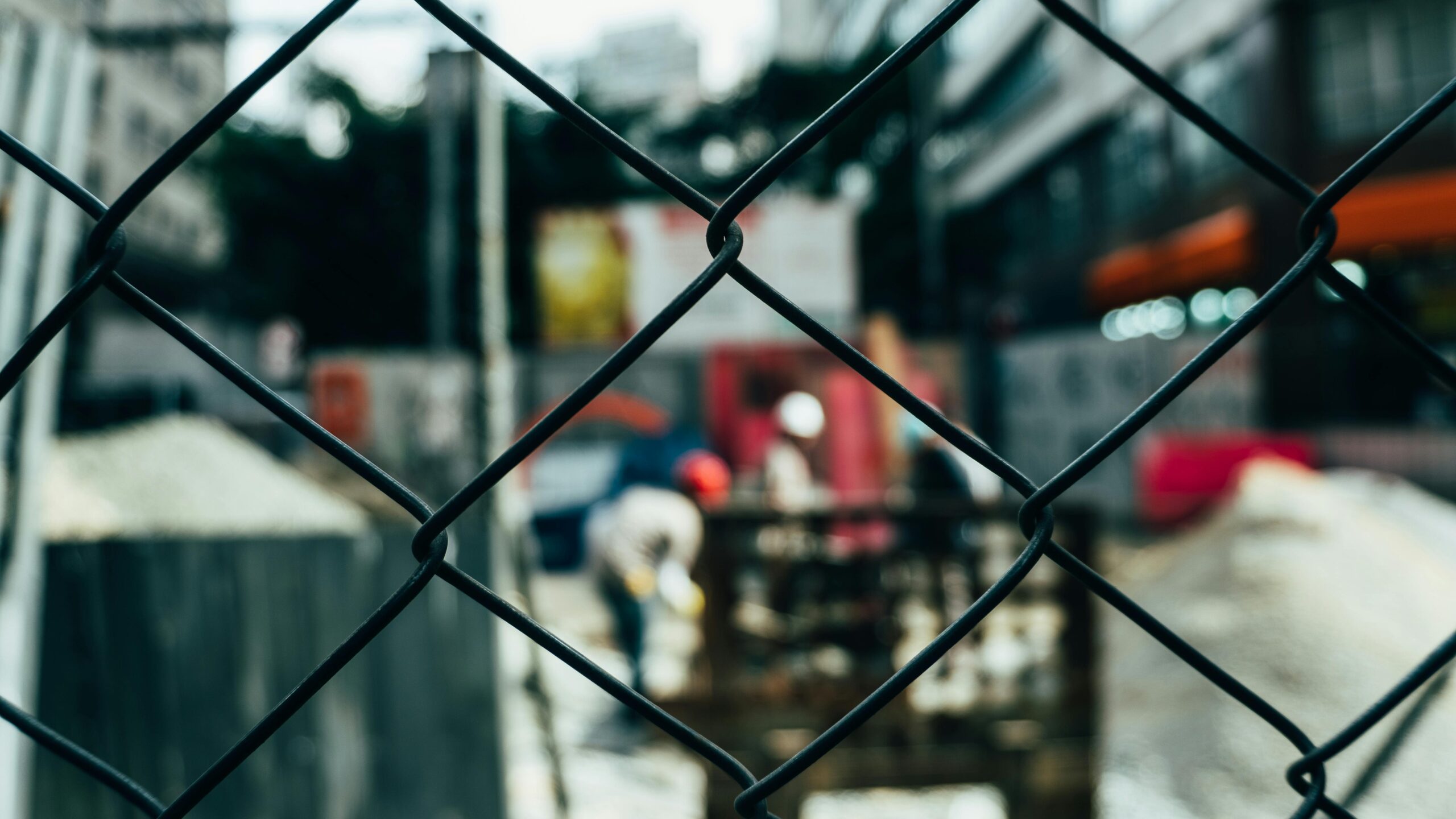
Who Needs Public Liability & Contract Works Insurance?
Public Liability Insurance and Contract Works Insurance are two of the most important types of protection for anyone working in the construction industry. Construction sites involve multiple trades, expensive materials, complex equipment, and constant safety risks — meaning even a small incident can lead to a costly claim.
Because of this, most workers, contractors, and businesses within the construction sector will need one or both of these policies to operate safely, legally, and contractually.
In this guide, we break down exactly who needs Public Liability and who needs Contract Works Insurance, and why each type of cover matters.
Why These Policies Are Essential in Construction
- Public Liability Insurance protects you if your work causes injury to another person or damage to someone else’s property.
- Contract Works Insurance protects the actual project under construction, including materials, structures, and work in progress.
They cover completely different risks — which is why many builders, tradies, and contractors require both.
1. Builders
Builders face some of the highest risks on a construction site and almost always need both types of cover.
Why Builders Need Contract Works Insurance
- Protects the building project during construction
- Covers theft of materials, fire, storm damage, vandalism and accidental damage
- Required for many residential and commercial building contracts
Why Builders Need Public Liability Insurance
- Covers injury to visitors, clients, subcontractors, and inspectors
- Protects against accidental property damage (e.g. damaging a neighbour’s fence or underground pipes)
- Often required for licensing, tenders and council approvals
Builders working on any type of project — new homes, renovations, extensions, or commercial fit-outs, benefit from having both policies.
2. Tradies
Tradies rely heavily on Public Liability Insurance as part of their everyday work.
Public Liability for Tradies
Electricians, plumbers, carpenters, tilers, painters, plasterers, landscapers, and other trades regularly interact with clients, property, and equipment, making liability protection essential.
Examples of common claims:
- Water damage caused by a plumbing installation
- Electrical faults causing damage
- Accidental damage to flooring, walls, or fixtures
- Injuries caused by tools or equipment left on-site
When Tradies Need Contract Works Insurance
Tradies who take on larger jobs, manage their own projects, or perform structural work may need Contract Works Insurance as well — especially if they are the principal contractor.
3. Subcontractors
Most subcontractors are required to hold Public Liability Insurance before they can even step onto a job site.
Why Subcontractors Need Public Liability
- Principal contractors are legally and contractually required to minimise risk
- Subcontractors often work around other trades, increasing chances of third-party damage or injury
- Many contracts will not allow subcontractors on-site without proof of cover
Do Subcontractors Need Contract Works Insurance?
Yes — depending on the job.
If a subcontractor is responsible for a section of the works, materials, or project delivery, Contract Works Insurance may be required.
4. Owner Builders
Owner builders face unique risks because they take responsibility for their own construction project.
Why Owner Builders Need Contract Works
- Covers damage to the building project
- Protects materials on-site
- Required by councils, lenders and building certifiers in many cases
Why Owner Builders Need Public Liability
- Covers injuries to visitors, neighbours, delivery drivers, or tradespeople
- Protects against accidental damage to surrounding property
Many owner builder projects cannot proceed without both types of cover.
5. Civil Contractors
Civil contractors work on large-scale projects such as:
- Roads
- Earthworks and excavation
- Drainage and utilities
- Subdivisions
- Infrastructure projects
These environments naturally involve heavy machinery, multiple civil trades, and large project values.
Why Civil Contractors Need Both
- Contract Works: Protects the works under construction
- Public Liability: Covers third-party damage (e.g., hitting underground services, damaging vehicles, injuring pedestrians)
The risk level in civil construction makes both policies fundamental.
6. Construction Companies
Construction companies, from small building firms to large commercial contractors often hold packaged solutions covering the entire business.
Typical Package Includes:
- Public Liability
- Contract Works
- Tool & Equipment Insurance
- Plant & Machinery Cover
- Commercial Vehicle or Fleet
- Professional Indemnity
- Business Insurance (office contents, stock, mobile equipment)
For companies with multiple sites or projects, bundling these policies together ensures smoother management and cost efficiency.
Final Thoughts: Do You Need Public Liability, Contract Works, or Both?
Most construction professionals need both policies at some point, especially when managing projects, working as the principal contractor, or entering into formal contracts or tenders.
Together, they form a complete risk protection package:
- Contract Works → Protects the project
- Public Liability → Protects you from being sued
Get the Right Cover for Your Construction Business
Whether you’re a builder, tradie, subcontractor or civil contractor, we can tailor a construction insurance package that protects your project, your tools and your business.
Get a fast, competitive quote today, and speak with a broker who truly understands the construction industry.


Does Contract Works Insurance Cover Public Liability Insurance?
No — Contract Works Insurance and Public Liability Insurance are two separate types of cover. Contract Works protects the building project itself, while Public Liability Insurance protects you against third-party injury or property damage claims. Although they are different policies with different purposes, you can choose to purchase them either together as part of a combined construction insurance package, or separately if that’s more cost-effective for your business. Even when bundled, they still remain distinct types of cover, one does not replace or include the other.
What Is Contract Works Insurance?
Contract Works Insurance is designed to protect a construction project while it is being built. It provides cover for unexpected events that may damage, delay, or interrupt the works, ensuring the project can be completed without financial loss to the builder, contractor, or property owner. This type of insurance is essential for anyone involved in construction, from small residential builders to large commercial contractors.
Contract Works Insurance typically covers:
Accidental Damage to the Construction Project
Protection for sudden and unforeseen physical loss or damage during the build, whether caused by human error, equipment malfunction, or on-site mishaps.
Fire, Storm, Vandalism & Other Insured Events
Cover for weather-related events, malicious damage, or other external forces that could impact the progress of the project.
Theft of Materials or Building Items On-Site
Construction sites are frequent targets for theft. This cover protects materials, fittings, fixtures, and other items used in the project (excluding tools unless added separately).
On-Site Risks During the Build
This includes risks such as collapse, water damage, or accidental damage caused by subcontractors, employees, or external parties.
Optional Cover for Tools, Machinery, or Equipment
You can extend the policy to include portable tools, plant and equipment, scaffolding, temporary structures, and other essential machinery. This is particularly useful for tradies and contractors who rely on specialised gear.
What Does Public Liability Insurance Cover?
Public Liability Insurance is one of the most important forms of protection for anyone working in the construction industry. It covers you if your work causes accidental injury to another person or damage to their property. Because construction sites involve heavy machinery, multiple trades, subcontractors, and unpredictable environments, the risks are significantly higher, making this cover essential and often mandatory.
Public Liability Insurance typically covers:
Damage to Third-Party Property
If your work accidentally damages someone else’s property, such as a client’s home, neighbouring structures, vehicles, or utilities. Public liability insurance covers the cost of repair or replacement. In construction, even small mistakes can lead to expensive damage, so this protection is crucial.
Injury to Others Caused by Your Work
Construction sites pose hazards to clients, visitors, inspectors, delivery drivers, and other contractors. If someone is injured because of your work or activities on-site, public liability covers medical costs, compensation, and associated expenses.
Legal Fees and Defence Costs
If a claim is made against you, even if you were not at fault, you may need legal representation. Public liability insurance covers the cost of defending the claim in court, settlements, and other legal expenses, preventing the financial strain of paying these costs yourself.
Required for Most Construction Contracts and Licensing
Builders, tradies, subcontractors, and head contractors are often required to hold public liability insurance before stepping onto a site. Many construction contracts, tenders, and licensing bodies (including QBCC and similar state authorities) require proof of cover, usually with minimum limits such as $5 million, $10 million, or $20 million.
Why Contract Works Insurance Does Not Include Public Liability
Although Contract Works Insurance and Public Liability Insurance are often purchased together, they are not the same type of cover, and one does not automatically include the other. Insurers treat these as separate policies because they protect against very different types of risks.
They Cover Completely Different Types of Risk
Contract Works Insurance protects the construction project itself — the materials, structure, and work in progress.
Public Liability, on the other hand, covers you if your work causes injury to another person or damage to third-party property. Because these exposures are so different, insurers classify them as separate policies.
Public Liability Claims Can Be Very Large
Public liability incidents can involve serious injury, long-term medical costs, or major property damage. These claims can reach hundreds of thousands, even millions of dollars.
For this reason, insurers keep Public Liability Insurance separate so they can correctly assess and price the risk on its own.
Construction Licensing and Contracts Usually Require Both
Most builder licences, subcontractor agreements, principal contractor contracts, and government tenders require you to hold both types of cover.
Contract Works is often needed to protect the project, while Public Liability is needed to protect the people and property around it.
You Must Purchase Public Liability Separately or as Part of a Package
Even if you buy Contract Works Insurance, public liability is not automatically included. You must either:
-
Purchase Public Liability as a standalone policy, or
-
Bundle it together with Contract Works in a combined construction insurance package
Even when offered together, they are still distinct policies, each with its own limits, exclusions, and pricing.
Do You Need Both Contract Works and Public Liability?
Yes, most builders, tradies, and contractors need both types of cover. Each policy protects against very different risks, and together they provide a more complete level of protection for anyone working in the construction industry.
Contract Works Insurance → Protects the Construction Site
Contract Works covers the actual project under construction, including the materials, structure, and work in progress. It responds to events like accidental damage, fire, vandalism, theft of materials, or weather-related losses.
In simple terms: it protects the job itself.
Public Liability Insurance → Protects You From Being Sued
Public Liability covers you if your work causes injury to another person or damage to third-party property. This includes clients, visitors, inspectors, delivery drivers, and other contractors on-site.
In short: it protects your business from costly legal claims.
When Are Both Policies Required?
In construction, it’s extremely common and often mandatory to hold both types of cover at the same time. They are frequently required for:
• Principal Contractor Agreements
Most head contractors require subcontractors to hold both Contract Works and Public Liability before being allowed on-site.
• Residential and Commercial Building Projects
Property owners, developers, and insurers for major projects usually insist on both forms of insurance to minimise risk.
• QBCC Licensing (if applicable)
Certain licences and project types require Public Liability and/or Contract Works coverage to meet regulatory and financial requirements.
• Council Work
Local councils generally require contractors and subcontractors to show proof of Public Liability and, depending on the project, Contract Works Insurance.
• Government Tenders
Government contracts almost always require both types of insurance, often with minimum limits such as $20M.
Here is an expanded, polished version you can place on your website. It’s clear, authoritative, and SEO-friendly.
Who Needs Public Liability & Contract Works Insurance?
Public Liability and Contract Works Insurance are essential for a wide range of professionals in the construction industry. Because construction sites involve multiple trades, expensive materials, heavy machinery and constant safety risks, most people working on a project will need one or both forms of cover.
Builders
Residential and commercial builders need Contract Works to protect the project itself and Public Liability to cover injury or property damage caused during construction.
Tradies
Electricians, plumbers, carpenters, tilers, painters, and other trades rely on Public Liability every day. Those who take on their own jobs or small projects may also need Contract Works cover.
Subcontractors
Most principal contractors require subcontractors to hold both Public Liability and, depending on the job, Contract Works Insurance before stepping onto a site.
Owner Builders
Owner builders managing their own construction or renovation projects often need Contract Works Insurance to protect the building works, and Public Liability to cover third-party risks.
Civil Contractors
Civil contractors working on infrastructure, earthworks, subdivisions, and major projects face high-risk environments and typically require both policies.
Construction Companies
Medium and large building companies often package both types of insurance together, along with plant, machinery, vehicles, and professional indemnity.
Project Managers
Construction project managers may require Public Liability for business activities and may also arrange Contract Works cover on behalf of clients or builders.
How to Buy Contract Works and Public Liability Insurance Together
Many construction businesses prefer to purchase both Contract Works and Public Liability as part of a combined construction insurance package. This is often the most convenient and cost-effective option.
Combined Construction Insurance Packages
Insurers can bundle both policies into a single package, making it easier to manage your cover, renewals, and claims. While they remain separate types of insurance, they sit under one combined policy structure.
Often Cheaper When Purchased Together
Bundling your construction insurance is often more affordable than buying each policy individually. Insurers may apply package discounts when multiple covers are combined.
Can Include Additional Covers
A combined construction insurance package can also include other essential policies such as:
- Tools and equipment insurance
- Plant and machinery cover
- Commercial vehicle or ute insurance
- Professional indemnity insurance
- Business pack cover
- Workers compensation (where required by law)
This allows builders, tradies, and construction companies to protect all aspects of their operations under one streamlined policy.
What We Do for Construction Businesses
At Morgan Insurance Brokers, we are construction insurance specialists. We help builders, subcontractors, owner-builders and tradies by:
-
Advising on what cover you need (e.g., contract works, public liability, tools & equipment)
-
Structuring combined packages that suit your project scale and risk exposure
-
Ensuring you meet contract requirements, licensing needs or tender prerequisites
-
Reviewing your cover year-on-year to keep it up to date as your business grows
Whether you’re a builder, tradie, or subcontractor, we can tailor a package that fits your project.
Get your construction insurance quote now.
How Much Does Restaurant Insurance Cost in Australia?
When you run a restaurant, one of the early questions you’ll ask is how much does restaurant insurance cost in Australia? The answer isn’t simple, premiums vary widely depending on the venue, operations, risk level and insurance cover required. However, understanding cost drivers and ways to manage them gives you better control and helps you budget accordingly.
What Is Restaurant Insurance?
Restaurant insurance is a bundle of coverages designed to protect food-service venues from a range of risks unique to the hospitality industry. It typically includes liability cover, property/contents cover, equipment breakdown, business interruption, and other specialised protections. It’s different from a generic business policy because it addresses food safety issues, commercial kitchen equipment, customer incidents, and other hospitality-specific exposures.
What Does It Cover?
A robust restaurant insurance package generally covers:
- Public & Products Liability – if a customer is injured on your premises or claims foodborne illness from your service.
- Property & Contents Insurance – for your building (if owned), fit-out, furniture, kitchen equipment, fixtures and stock.
- Machinery/Equipment Breakdown – covers key items like ovens, refrigeration units, freezers, fryers, POS systems if they break down unexpectedly.
- Business Interruption / Loss of Income – helps you stay afloat if you must close or reduce trade after an insured event like fire or equipment failure.
- Stock & Spoilage Cover – especially for perishable food or costly ingredients that may spoil due to power outage or equipment failure.
- Glass & Signage – covers shopfront glass, illuminated signs, internal mirrors and display glass.
- Money & Theft – protects cash on premises, burglary or theft of contents.
Why It Can Be Expensive
Restaurant insurance premiums can be higher than many other small-business policies because of the layered risks inherent in the sector. Some of the cost drivers include:
- High fire load from commercial kitchens: fryer oil, grills, deep fryers, high-heat equipment increase fire risk.
- Food-safety/liability risks: if someone gets ill, slips or is injured, you face significant claims.
- Value of equipment and stock: expensive kitchen equipment, refrigeration units, large volumes of perishable stock increases replacement cost.
- Location and trading hours: late-night trading, licensed venues (alcohol) or restaurants in high-risk geographic areas attract higher premiums.
- Size and turnover: more staff, more customers, higher revenue means higher potential claim size.
- Claims history: previous claims or poor risk control raise perceptions of risk.
- Complexity of operations: venues offering dine-in, takeaway, delivery, alcohol, live entertainment all increase complexity and risk.
- Rising costs of repairs, inflation and supply chain issues all add to insurance cost.
How You Can Lower Your Costs
You don’t have to resign yourself to high premiums. There are practical steps you can take to reduce insurance cost and improve your risk profile:
- Maintain kitchen equipment and extraction systems in good condition (ventilation, fire suppression) to reduce risk of fire or breakdown. Many insurers ask what your maintenance and cleaning schedule is like and depending on your answer, this could eliminate available insurers that will provide a quote.
- Increase your excess/deductible – accepting a higher excess can reduce your premium.
- Bundle policies: combining liability, property, business interruption and other covers with a single insurer or broker often gives better terms.
- Limit exposures: restrict late-night trading, reduce alcohol service or remove high-risk equipment if feasible.
- Monitor turnover, staffing levels, and adjust cover to match
- Shop around and compare quotes
Why the Type of Restaurant Matters
Not all restaurants are created equal when it comes to insurance risk. The type of restaurant you operate will significantly affect your premium:
- Café / light meals venue: lighter kitchen, limited equipment, earlier trading hours → lower risk & lower premiums.
- Full service restaurant: larger kitchen, more staff, more customers, possibly alcohol service → higher risk.
- Licensed venue or restaurant with bar: alcohol service, late-night trading, increased liability risk → higher cost.
- Takeaway / delivery only: though some risks are lower, delivery creates transport risk and liability off-site.
- Specialist cuisine / high-heat cooking: e.g., wood-fired ovens, chargrills, open flame cooking add fire risk.
- High turnover or large seat numbers: more customers, more staff, higher exposures.
Why Having a Broker is a Good Idea to Bring the Cost Down
Working with an experienced insurance broker is more than just getting a quote. A broker can:
- Access multiple insurers and markets, comparing cover, exclusions and price.
- Understand the hospitality sector and emphasise your risk controls to negotiate better terms.
- Identify hidden gaps and exclusions in cheap policies to avoid exposure.
- Help tailor cover based on your specific restaurant type, kitchen setup, volume, and operations.
- Assist you when claims occur, to ensure smooth handling rather than being left on your own.
- Keep your policy review-ready each year, adapting changes in risk, business growth or operations which may reduce cost.
Because restaurant insurance is complex, using a broker can lead to better value and fewer surprises.
Why Morgan Insurance Brokers is the Best Broker for the Job
When it comes to restaurant insurance in Australia, Morgan Insurance Brokers stands out as the specialist hospitality insurance broker who really understands your needs.
- Hospitality specialist expertise: we work exclusively with cafes, restaurants, bars, and food service venues, so we know what insurers look for.
- Access to specialist insurer panel: we partner with insurers who understand restaurant risk (kitchens, food, service) and don’t impose unfair exclusions.
- Tailored solutions: we customise cover based on your size, equipment, turnover, cooking style and delivery or takeaway operations.
- Claims advocacy: if something goes wrong, we manage your claim on your behalf and provide support to get you trading again.
- Cost-management focus: we help you understand what drives cost, how to control it, and ensure you’re not overpaying for irrelevant cover.
- Transparent advice: no hidden surprises, we explain policy details, exclusions, and ensure you’re covered properly.
Final Thoughts
Restaurant insurance cost in Australia varies widely, from relatively modest premiums for small cafés to substantial annual costs for full-service licensed venues with delivery operations. Understanding what influences cost, how to control it, and why the type of restaurant matters puts you in control.
If you are looking to open a restaurant or review your existing cover, talk to Morgan Insurance Brokers today for a free, no-obligation consultation and let us help you secure the right cover at the best price.

What Insurance Do I Need for My Café?
Opening or running a café involves far more than serving great coffee. From espresso machines and refrigeration to high customer traffic and staff management, cafés face daily risks that can lead to costly disruptions or unexpected losses. That’s why choosing the right café insurance is essential for protecting your business, assets, and livelihood.
This guide explains what insurance you need for your café, how each type of cover works, what affects the cost, and why using a specialist broker makes all the difference.
What Is Café Insurance?
Café insurance is a customised group of business insurance policies designed to protect cafés, espresso bars, coffee carts, brunch venues, and specialty coffee shops. Unlike general retail insurance, café insurance covers the risks unique to food service and hospitality, hot equipment, slip hazards, food spoilage, staff injuries, customer incidents, and equipment breakdown.
What Does Café Insurance Cover?
A solid café insurance package generally includes the following key covers:
1. Public & Products Liability Insurance
Protects you if a customer, supplier, or passer-by suffers:
- Injury (e.g., slip on a wet floor, burn from hot coffee)
- Property damage
- Illness caused by food or drink
This is one of the most crucial policies for any café.
2. Business Property & Contents
Covers physical property such as:
- Fit-out, furniture, tables, and décor
- Coffee machines, grinders, brewers
- Fridges, freezers, ovens, dishwashers
- POS systems and electronics
- Food stock and consumables
Protects against fire, theft, storm damage, vandalism, and accidental damage.
3. Machinery Breakdown
Your café depends on equipment working properly. This protects you if any of the following fail unexpectedly:
- Espresso machines
- Coffee grinders
- Fridges and freezers
- Cake display cabinets
- Air conditioning units
- Commercial dishwashers
This cover is vital for cafés with refrigeration and coffee machinery investments.
4. Electronic Breakdown
Covers electrical components of equipment such as:
- POS terminals
- EFTPOS machines
- Temperature control systems
- Display screens
- Ordering tablets
5. Stock & Food Spoilage
Protects milk, pastries, fresh produce, and gelato/ice cream if refrigeration fails or power is lost. Spoilage can be costly, especially in summer.
6. Business Interruption (Loss of Income)
If your café is forced to close after an insured event (e.g., fire, storm, equipment breakdown), this cover helps pay:
- Wages
- Rent
- Utilities
- Supplier contracts
- Lost profits
This can save your business from financial collapse after unexpected downtime.
7. Glass & Signage
Covers breakage of shopfront glass, display cabinets, internal mirrors, and illuminated signage.
8. Money & Theft Cover
Protects cash in registers, safes, and during transit, as well as burglary or theft of property.
9. General Property (Portable Equipment)
Ideal for coffee carts, catering, events, or mobile espresso setups. Covers portable items anywhere in Australia.
10. Cyber Insurance
Cafés commonly rely on:
- Digital POS systems
- Online ordering
- Loyalty programs
- QR code menus
- Delivery platforms
Cyber insurance protects your café from data breaches, payment terminal hacks, ransomware, and invoice scams.
11. Management Liability (If You Employ Staff)
Covers owners and managers from claims such as:
- Unfair dismissal
- Harassment or discrimination
- OH&S investigations
- Wage or award disputes
Essential for hospitality businesses with casual or part-time employees.
Why Café Insurance Can Be Expensive
Some cafés pay higher premiums due to:
- High-value equipment (espresso machines & refrigeration)
- Slip and fall risks
- Food spoilage exposure
- Fire risk from cooking appliances
- Claims history
- Location (city vs regional, crime levels)
- High foot traffic
- Whether alcohol is served
Cafés with kitchen facilities, deep fryers, or extended menus typically attract higher premiums.
How to Lower the Cost of Café Insurance
You can reduce your café’s insurance costs by:
- Maintaining strict food safety standards
- Keeping equipment serviced and clean
- Installing slip-resistant flooring
- Upgrading fire suppression and extraction systems
- Increasing your excess
- Combining multiple policies under one package
- Improving security (CCTV, locks, alarms)
- Reducing unnecessary cover
- Using a broker to compare specialist markets
Risk-management improvements show insurers you are a lower risk, meaning lower premiums.
Why the Type of Café Matters
Not all cafés are the same, and insurers price policies based on your operational risk.
Different café types include:
- Espresso bar / small coffee shop
- Brunch café
- Café serving full meals
- Licensed café or wine bar
- Café with takeaway and delivery
- Coffee carts or mobile units
- Gelato-café / dessert café
- Café with bakery or roasting equipment
Each type has different equipment, trading hours, staff, food safety risks, and customer traffic, all affecting insurance cost and coverage needs.
Why Using a Broker Helps Bring Your Cost Down
A specialist broker can often reduce your premiums and improve your cover by:
- Comparing multiple insurers side-by-side
- Negotiating better pricing based on your risk controls
- Finding insurers comfortable with hospitality risks
- Tailoring your policy to your actual operations
- Avoiding unnecessary add-ons
- Ensuring you aren’t over-insured or under-insured
- Helping you present your business favourably to insurers
- Ensuring claims don’t cause unfair premium increases
A broker saves you money, time, and stress, while improving your protection.
Why Morgan Insurance Brokers Is the Best Broker for Cafés
When it comes to hospitality insurance, Morgan Insurance Brokers is one of Australia’s most trusted specialists.
Here’s why café owners choose us:
- We specialise in cafés, restaurants, and hospitality, not generic business insurance.
- We access a panel of insurers who understand café risks, including machinery breakdown, spoilage, and high customer turnover.
- We help café owners reduce premiums through risk advice, packaging, and negotiating on your behalf.
- We tailor cover to your exact café setup, equipment, menu, and trading style.
- We manage your claims from start to finish, ensuring fast and fair outcomes.
- We provide clear, honest, uncomplicated advice so you understand your cover.
We work for YOU, not the insurer.
Get a Quote for Café Insurance
Protect your café with a tailored hospitality insurance package designed for the unique needs of espresso bars, brunch cafés, coffee carts, and dessert venues.
Contact Morgan Insurance Brokers today for a free, no-obligation quote.
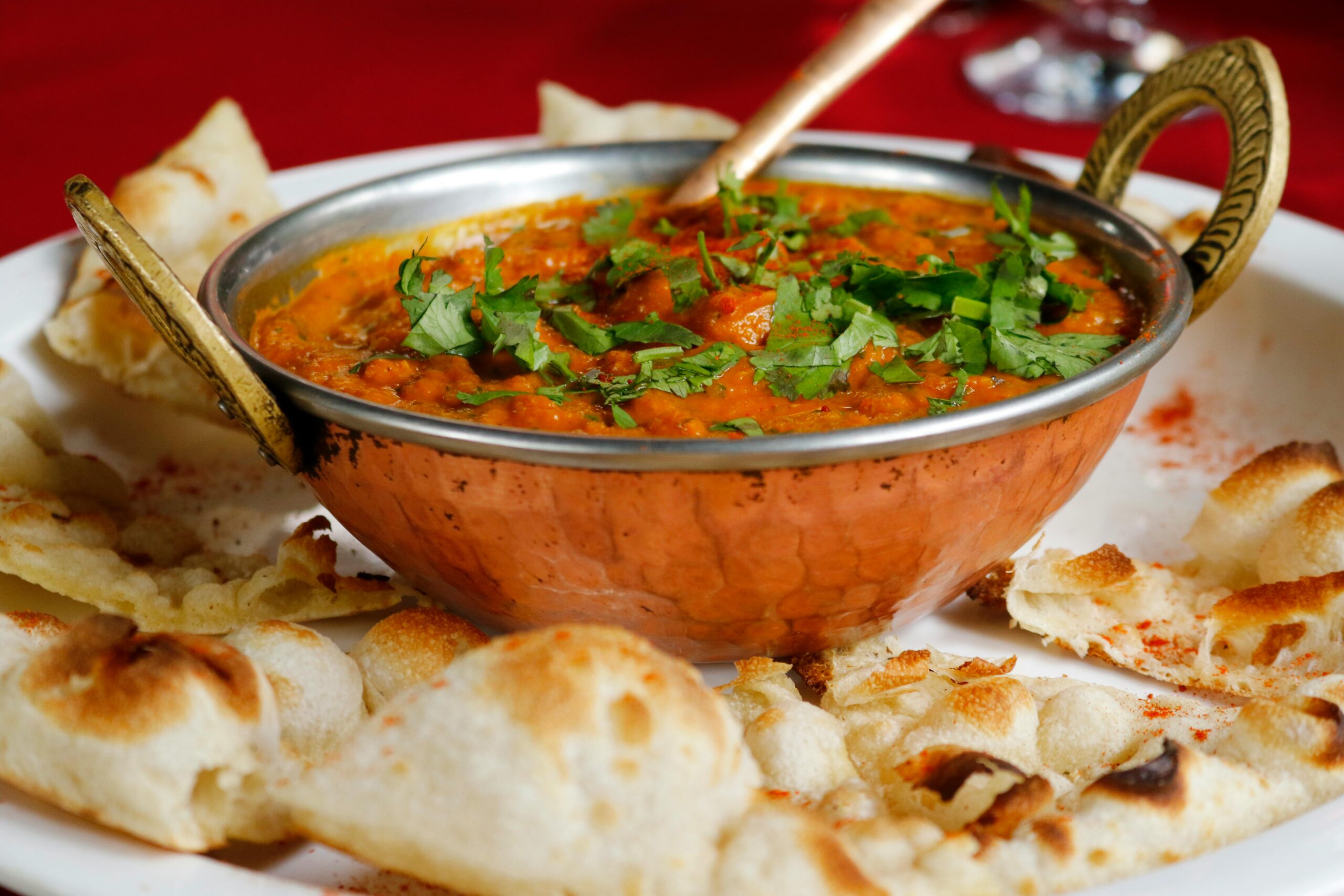
Indian Restaurant Insurance
Indian restaurants are among the most vibrant and flavourful hospitality businesses in Australia, but behind the spices, heat, and colour lie significant business risks. From tandoor ovens and deep fryers to curry stations, busy dining rooms, and delivery operations, Indian restaurants need specialised hospitality insurance that goes far beyond standard business cover.
Morgan Insurance Brokers works with a panel of specialist hospitality insurers who understand the unique risks of Indian restaurants, whether you run a dine-in venue, takeaway, or delivery-focused kitchen.
Why Indian Restaurants Need Specialist Insurance
Indian cuisine uses high-heat equipment, complex cooking methods, and high-traffic service layouts, all of which increase operational risk.
Common risks for Indian restaurants include:
- High fire risk from tandoor ovens, gas burners, deep fryers, and charcoal cooking
- Smoke and heat exposure, increasing exhaust and duct fire risk
- Slip and fall hazards from spills, busy floors, and fast-paced service
- Food contamination risks, including seafood, dairy, spices, and allergens
- Staff injuries, such as burns, cuts, repetitive strain, or lifting injuries
- Delivery-related risks for venues offering home delivery
- Equipment breakdown, especially refrigeration and cooking appliances
- High-value stock losses, including meats, spices, and bulk ingredients
Because of these exposures, Indian restaurants need specialist restaurant insurance, not generic retail business policies.
Indian Restaurant Insurance Cover Options
A tailored Indian Restaurant Insurance Package protects your venue from operational hazards, property damage, staff-related risks, and unexpected closures.
Business Property & Contents
Covers restaurant fit-out, furniture, décor, commercial kitchen equipment, POS systems, fridges, tandoors, utensils, and décor against fire, theft, storm, and accidental damage.
Public & Products Liability
Absolutely essential for restaurants. Covers injury or property damage, including:
- Customer slips and falls
- Burns from hot plates or food
- Food poisoning or allergic reactions
- Damage caused during deliveries
This is one of the most important policies for Indian restaurants.
Machinery Breakdown
Covers sudden breakdown of essential equipment, including:
- Tandoor ovens
- Gas burners
- Deep fryers
- Refrigerators & cool rooms
- Freezers
- Ventilation & exhaust systems
- Ovens & hot plates
A breakdown during service can force closures. This cover ensures fast repair or replacement.
Electronic Breakdown
Covers electrical equipment such as:
- POS terminals
- Ordering tablets
- Online booking systems
- Temperature monitors
- Refrigeration electronics
Stock & Food Spoilage
Protects perishable ingredients such as meats, seafood, dairy, vegetables, and curry bases if refrigeration fails or a power outage occurs.
General Property (Portable Equipment)
Ideal for mobile catering, food festivals, or external events. Covers portable cooking equipment, utensils, POP displays, and serving tools.
Goods in Transit
Covers ingredients and takeaway food items transported between locations or during delivery.
Business Interruption
Provides income protection if your restaurant is forced to close due to an insured event such as fire, storm damage, machinery failure, or contamination. Covers wages, rent, utilities, and ongoing expenses.
Glass & Signage
Covers accidental breakage of external windows, glass partitions, display cabinets, and illuminated signage.
Money & Theft
Protects against cash theft, break-ins, vandalism, and internal theft.
Management Liability Insurance
Most Indian restaurants rely on a mix of full-time, part-time, and casual staff. This increases the risk of employment-related claims.
Management Liability covers:
- Unfair dismissal or wrongful termination
- Harassment or discrimination allegations
- Wage and award disputes
- OH&S investigations
- Claims of mismanagement
A must-have for any hospitality business with staff.
Cyber Insurance
Indian restaurants increasingly rely on:
- Delivery apps (Uber Eats, Menulog, DoorDash)
- Digital payments
- Online reservations
- POS systems
- QR menus
Cyber Insurance protects your business from:
- Ransomware
- Payment terminal hacks
- Data breaches
- Invoice scams
- POS or website downtime
Cyber attacks target businesses of all sizes, including restaurants.
Why Standard Insurers Often Decline Indian Restaurants
Many general insurers avoid restaurants using:
- High-heat cooking
- Deep fryers & oil-heavy cuisine
- Charcoal or tandoor cooking
- Large refrigeration demands
- Delivery operations
- High foot traffic
Standard policies often exclude the exact risks Indian restaurants face.
Morgan Insurance Brokers works with hospitality-focused insurers that cover these risks properly, not with dangerous exclusions or gaps.
Why Choose Morgan Insurance Brokers
We specialise in hospitality insurance and have extensive experience insuring Indian restaurants, curry houses, takeaway venues, and delivery kitchens across Australia.
Why restaurant owners choose us:
- Access to specialist hospitality insurers
- Tailored policies for Indian cuisine’s unique risks
- In-depth understanding of tandoor and high-heat cooking exposures
- Fast, personal service
- Full claims management
- Competitive pricing with comprehensive cover
We work for you, ensuring your restaurant receives the correct level of protection from day one.
Get a Quote for Indian Restaurant Insurance
Protect your Indian restaurant with a tailored insurance package designed specifically for high-heat cooking, dine-in service, takeaway, and delivery operations.
Contact Morgan Insurance Brokers for a free, no-obligation quote.
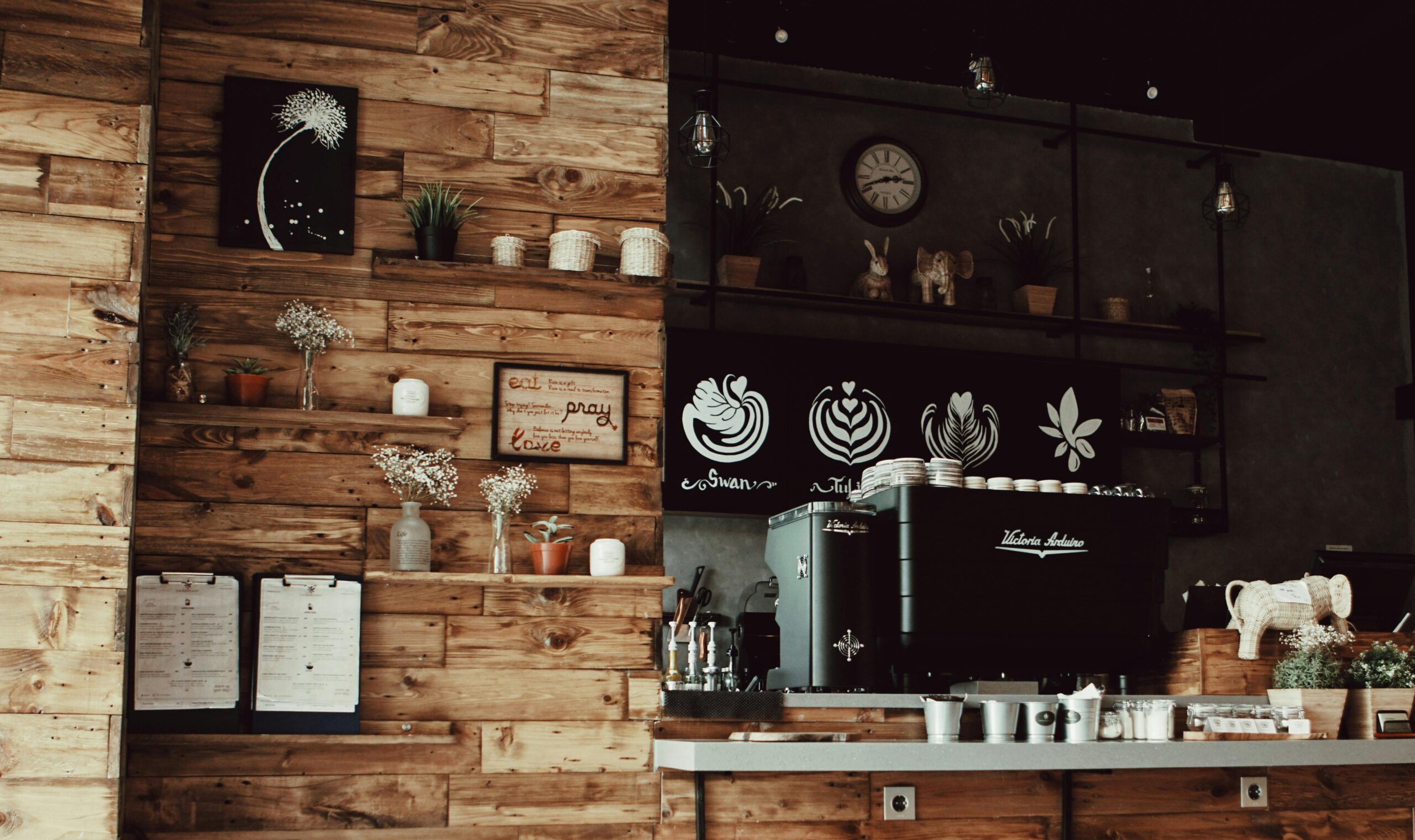
Coffee Shop Insurance
Coffee shops are the heart of many communities, from early-morning espresso rushes to weekend brunch crowds. But behind the warm atmosphere and great coffee, cafés face significant business risks every day. Hot equipment, busy customer areas, food handling, and staff movement all increase exposure to liability and property damage.
Because of these risks, coffee shops need specialist hospitality insurance, not generic business policies that miss key exposures.
Morgan Insurance Brokers works with a panel of specialist café insurers who understand the unique risks of coffee shops, espresso bars, and boutique cafés, ensuring your business receives complete and tailored protection.
Why Coffee Shops Need Tailored Insurance
Coffee shops combine food service, customer traffic, and valuable equipment. Even small incidents can disrupt trading or cause financial loss.
Key risks include:
- Burns and scalds from hot water, coffee machines, and steam wands
- Slip and fall incidents from spills or high foot traffic
- Theft of portable items such as tablets, laptops, or small equipment
- Fires from coffee roasters, ovens, and electrical equipment
- Equipment breakdown (coffee machines, grinders, refrigerators)
- Food handling risks involving pastries, dairy, and fresh produce
- Staff injuries during peak times
These exposures mean coffee shops require insurance tailored to hospitality risks, not retail or general business risks.
Coffee Shop Insurance Cover Options
A comprehensive Coffee Shop Insurance Package includes key protections you need to operate safely and confidently.
Business Property & Contents
Covers your café fit-out, furniture, décor, stock, and equipment against fire, theft, vandalism, and accidental damage.
Public & Products Liability
Essential for coffee shops. Covers injury or property damage to customers or the public. Slip-and-fall claims are particularly common in coffee shops.
Machinery Breakdown
Covers sudden failure of essential equipment such as:
- Espresso machines
- Coffee grinders
- Refrigeration and display fridges
- Ovens, toasters, and dishwashers
- Air conditioning units
Breakdowns can shut down your coffee shop, this cover helps you get back online quickly.
Electronic Breakdown
Covers POS systems, ordering tablets, EFTPOS terminals, and electronic controls on machinery.
Stock & Food Spoilage
Protects milk, dairy products, pastries, and perishable goods if refrigeration fails or a power outage occurs.
General Property (Portable Equipment)
Ideal for cafés that use portable gear such as:
- Catering equipment
- Coffee carts
- Portable grinders
- Mobile POS devices
Covers accidental damage, theft, and loss Australia-wide.
Business Interruption
Provides income replacement if you must close temporarily due to an insured event such as fire, storm damage, or major equipment failure. Helps cover rent, wages, utilities, and ongoing expenses.
Glass & Signage
Covers accidental breakage of windows, internal glass, and illuminated café signage.
Money & Theft
Protects against burglary, cash theft, and robbery, common for small hospitality venues.
Management Liability Insurance
If your coffee shop employs staff, Management Liability Insurance covers the business and its directors against:
- Unfair dismissal claims
- Allegations of harassment or discrimination
- OH&S breaches
- Wage and award disputes
- Regulatory investigations
Casual and shift-based hospitality staff make this cover particularly important for cafés.
Cyber Insurance
Coffee shops increasingly rely on digital systems, online ordering, QR codes, loyalty apps, POS, and payment systems.
Cyber Insurance protects against:
- Hacked payment terminals
- Ransomware attacks
- Customer data breaches
- Invoice fraud
- System downtime affecting POS
Even small coffee shops are targets due to their high transaction volume.
Why Standard Insurers Often Don’t Cover Coffee Shops Correctly
Many general insurers do not fully understand coffee shop operations. Common problems with standard policies include:
- Exclusions for food handling incidents
- No cover for machinery breakdown (coffee machine failure)
- Limited business interruption cover
- Inadequate public liability limits
- No cover for portable café equipment
- Missing spoilage protection
Morgan Insurance Brokers uses a specialist panel of hospitality insurers who understand coffee shop risks and provide full coverage that general policies overlook.
Why Choose Morgan Insurance Brokers
We specialise in hospitality insurance and work with cafés of all size, from small espresso bars to large brunch venues.
Why café owners choose us:
- Access to hospitality-specific insurers
- Tailored insurance packages based on your equipment & operations
- Expert understanding of café risks and compliance
- Fast claims support and personal service
- Competitive pricing with no hidden exclusions
We work for you, not the insurer, ensuring your coffee shop is protected properly.
Get a Quote for Coffee Shop Insurance
Protect your café with a tailored insurance package designed specifically for coffee shops and espresso bars.
Contact Morgan Insurance Brokers today for a free, no-obligation quote.
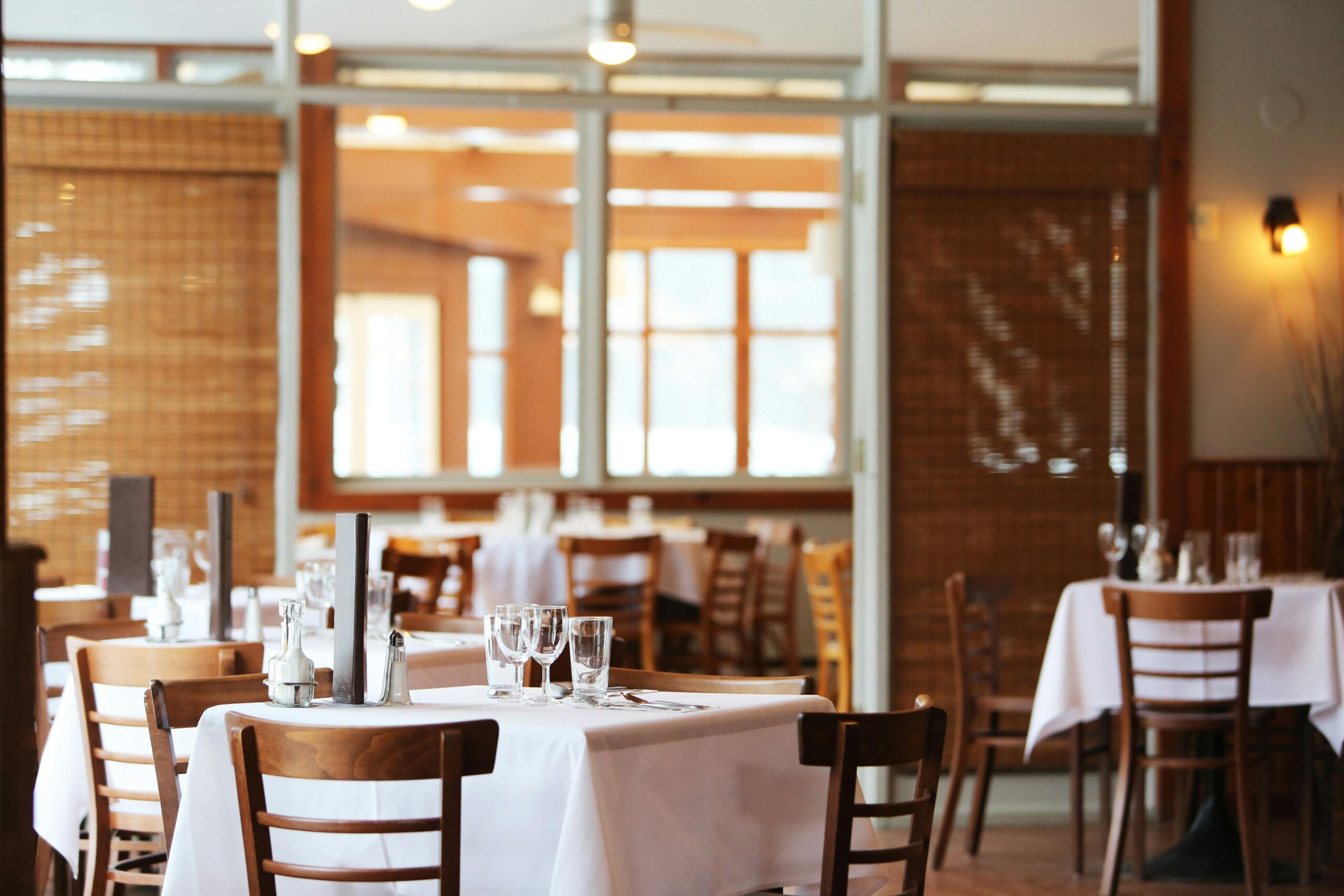
What Insurance Does a New Restaurant Need?
Opening a new restaurant is exciting, from designing your menu to creating the perfect atmosphere. But before you begin serving customers, it’s crucial to ensure your business is protected with the right restaurant insurance. Restaurants face a mix of operational, food safety, staff, and public liability risks, and the wrong policy can leave new owners exposed to costly claims and disruptions.
This guide explains what insurance a new restaurant needs, why each cover matters, and how Morgan Insurance Brokers helps hospitality start-ups get the right protection from day one.
Why New Restaurants Need the Right Insurance From the Start
Launching a restaurant involves significant investment in fit-out, equipment, stock, and staffing. At the same time, new businesses face high risk because:
- You are still refining processes and training staff
- Insurance claims are more common in the early stages
- Fit-out and equipment failures can cause financial stress
- Food safety issues and customer traffic increase liability
- Even minor disruptions can impact cash flow
Because of this, choosing the right insurance from the beginning is essential for long-term success.
Essential Insurance Policies for New Restaurants
Below are the core covers every new restaurant should consider.
Business Property & Contents Insurance
This protects your physical assets, including:
- Commercial kitchen equipment
- Fit-out, furniture, and décor
- Refrigeration units
- POS systems and electronics
- Stock and ingredients
It covers loss or damage caused by fire, theft, vandalism, storms, or accidental damage.
For new restaurants with large upfront investments, this cover is non-negotiable.
Public & Products Liability Insurance
One of the most important policies for restaurants.
Public Liability insurance protects your business if a customer, supplier, or member of the public suffers:
- Injury (e.g., slip and fall, burn from hot food)
- Illness (e.g., food poisoning, allergic reaction)
- Property damage
Without liability cover, your restaurant could face legal fees, compensation payments, and financial loss.
Machinery Breakdown Insurance
New restaurants rely heavily on equipment. Machinery Breakdown covers unexpected failure of:
- Fridges and freezers
- Deep fryers and ovens
- Grills, woks, and cooktops
- Coffee machines
- Exhaust and ventilation systems
A single breakdown can shut down service. This cover helps you repair or replace equipment quickly.
Electronic Breakdown Insurance
Modern restaurants rely on electronic systems like:
- POS terminals
- Digital ordering systems
- Temperature monitoring devices
- Website booking systems
Electronic Breakdown covers failure due to power surge or internal malfunction.
Stock & Food Spoilage Insurance
Restaurants store high-value stock and perishable food. This cover protects against spoilage due to:
- Power outages
- Refrigeration failure
- Machinery breakdown
- Contamination
This is especially critical for new restaurants still establishing cash flow.
Business Interruption Insurance
If your restaurant is forced to close due to an insured event (like fire, storm, or equipment failure), this cover helps pay:
- Rent
- Wages
- Utilities
- Supplier contracts
- Lost profit
Business Interruption is essential for new restaurants because even a short closure can cause severe financial strain.
Glass & Signage Insurance
Restaurants often have shopfront glass, partitions, mirrors, and illuminated signage. Accidental breakage can be costly, this cover pays for replacement.
Money & Theft Insurance
Protects against:
- Theft of cash on premises
- After-hours break-ins
- Armed robbery
- Employee theft
Restaurants often handle cash, increasing risk.
General Property (Portable Equipment)
If your restaurant uses portable equipment for:
- Catering
- Outdoor events
- Pop-up stalls
- Deliveries
General Property covers loss, theft, and accidental damage of items taken off-site.
Management Liability Insurance
If your restaurant employs staff, Management Liability protects owners and managers from claims related to:
- Unfair dismissal
- Bullying or discrimination allegations
- OH&S breaches
- Wage or award disputes
- Mismanagement claims
For new restaurants building their team culture, this is vital protection.
Cyber Insurance
New restaurants use digital systems for online bookings, POS integration, QR code menus, and delivery platforms. Cyber Insurance protects you against:
- Ransomware
- Payment terminal hacks
- Data breaches
- Invoice fraud
- Website outages
Even small restaurants are targeted by cyber criminals.
Why Standard Insurers Often Mis-Cover Restaurants
Generic small-business insurance rarely covers restaurant-specific risks such as:
- High-heat cooking equipment
- Food contamination
- Refrigeration failure
- Staff injuries
- High customer turnover
Working with a hospitality-specialist broker ensures you get the correct cover without dangerous exclusions.
How Morgan Insurance Brokers Helps New Restaurants
Starting a restaurant is stressful, your insurance shouldn’t be.
Morgan Insurance Brokers specialises in hospitality insurance, helping new restaurants secure the right cover at competitive prices.
We help by:
- Comparing policies from specialist hospitality insurers
- Tailoring cover based on your cooking methods, equipment, and operations
- Identifying gaps that standard insurers miss
- Providing guidance on compliance and risk management
- Managing your claims quickly and professionally
We work for you, not the insurer, ensuring your restaurant starts strong and stays protected.
Get a Quote for New Restaurant Insurance
If you’re opening a restaurant, make sure your business is fully protected from day one with adequate restaurant insurance.
Contact Morgan Insurance Brokers for a free, no-obligation quote tailored to your new restaurant.

Ice Cream Shop Insurance
Ice cream shops and gelato bars may look low-risk on the surface, but behind the bright colours and sweet treats are serious business exposures. From expensive refrigeration units and high-value ingredients to slip hazards and equipment failures, ice cream stores need specialist hospitality insurance, not a general retail policy.
Morgan Insurance Brokers works with a panel of specialist hospitality insurers who understand the unique risks in ice cream shops, gelato bars, frozen yoghurt stores, and dessert venues.
Why Ice Cream Shops Need Specialist Insurance
Ice cream stores run a mix of food service, retail, and refrigeration-dependent operations. This creates risks that many standard insurers do not cover correctly.
Key risk factors include:
- Cold storage dependence for ice cream, gelato, and toppings
- High food spoilage risk after power outages or equipment failure
- Slip hazards from spills, cones dropped on floors, or melted ice cream
- Expensive machinery, including batch freezers and display cabinets
- Allergen concerns, including nuts, dairy, eggs, and cross-contamination
- Staff injuries from repetitive motions or equipment handling
- High summer foot traffic, increasing liability exposure
Because of these risks, ice cream stores need tailored hospitality insurance, not generic retail cover.
Ice Cream Shop Insurance Cover Options
A tailored Ice Cream Shop Insurance Package protects your business from property damage, stock loss, liability claims, and equipment breakdown.
Business Property & Contents
Covers shop fit-out, counters, décor, commercial freezers, batch freezers, mixers, and all general contents from fire, theft, vandalism, or accidental damage.
Public & Products Liability
One of the most important covers for ice cream stores. Protects you if a customer or third party suffers injury or property damage, including:
- Slip-and-fall incidents from melted ice or spills
- Allergic reactions
- Food contamination
- Burns in shops with coffee machines or waffle makers
This is essential for any walk-in dessert venue.
Machinery Breakdown
Ice cream shops rely heavily on refrigeration. Machinery breakdown covers:
- Display freezers
- Batch freezers
- Upright freezers & cool rooms
- Gelato machines
- Milkshake and smoothie machines
If these break down, you risk thousands in stock loss and lost trade.
Electronic Breakdown
Covers:
- POS systems
- Temperature control systems
- Ordering tablets
- Refrigeration electronics
Stock & Food Spoilage
Critical for ice cream shops. Covers spoilage due to:
- Power outages
- Freezer failures
- Machinery breakdown
- Contamination
- Incorrect temperature control
High-value gelato and dairy stock must be protected.
General Property (Portable Equipment)
Covers mobile or portable equipment used for catering, markets, pop-up stands, or events.
Business Interruption
Provides income support if your shop must close due to an insured event such as fire, storm damage, or freezer breakdown. Helps cover wages, rent, utilities, and ongoing costs.
Glass & Signage
Covers accidental damage to display glass, shopfront windows, internal panels, and illuminated signage.
Money & Theft
Protects against break-ins, cash theft, internal theft, and damage caused by burglars.
Management Liability Insurance
Ice cream shops often employ casual staff, teenagers, or seasonal workers, increasing HR and compliance risks.
Management Liability covers:
- Unfair dismissal claims
- Employee harassment or discrimination allegations
- OH&S investigations
- Wage disputes
- Claims of mismanagement
A crucial protection for any hospitality business with employees.
Cyber Insurance
Ice cream shops commonly use:
- POS systems
- Online ordering
- Payment terminals
- QR code menus
Cyber Insurance protects you from ransomware, hacked payment terminals, invoice scams, and customer data breaches.
Why Standard Insurers Often Decline Ice Cream Stores
Although ice cream shops seem simple, they’re considered higher risk due to:
- Reliance on refrigeration
- Expensive machinery
- High food spoilage exposure
- Slip & fall hazards
- Heavy customer traffic in warmer months
- Allergen-related product liability risks
General insurers often exclude spoilage, machinery breakdown, or key liability protections.
Morgan Insurance Brokers works with insurers who specialise in hospitality and understand the risks of ice cream and gelato stores.
Why Choose Morgan Insurance Brokers
We specialise in insuring cafés, gelato bars, dessert shops, frozen yoghurt stores, and other hospitality venues.
Why ice cream shop owners choose us:
- Access to specialist hospitality insurers
- Tailored coverage for refrigeration-heavy businesses
- Expertise in stock spoilage, liability, and equipment risks
- Fast and personal support
- Full claims management
- Competitive premiums without unnecessary exclusions
We ensure your ice cream shop is protected properly, summer, winter, and everything in between.
Get a Quote for Ice Cream Shop Insurance
Protect your gelato store or ice cream shop with specialist hospitality insurance from Morgan Insurance Brokers.
Contact us today for a free, no-obligation quote.
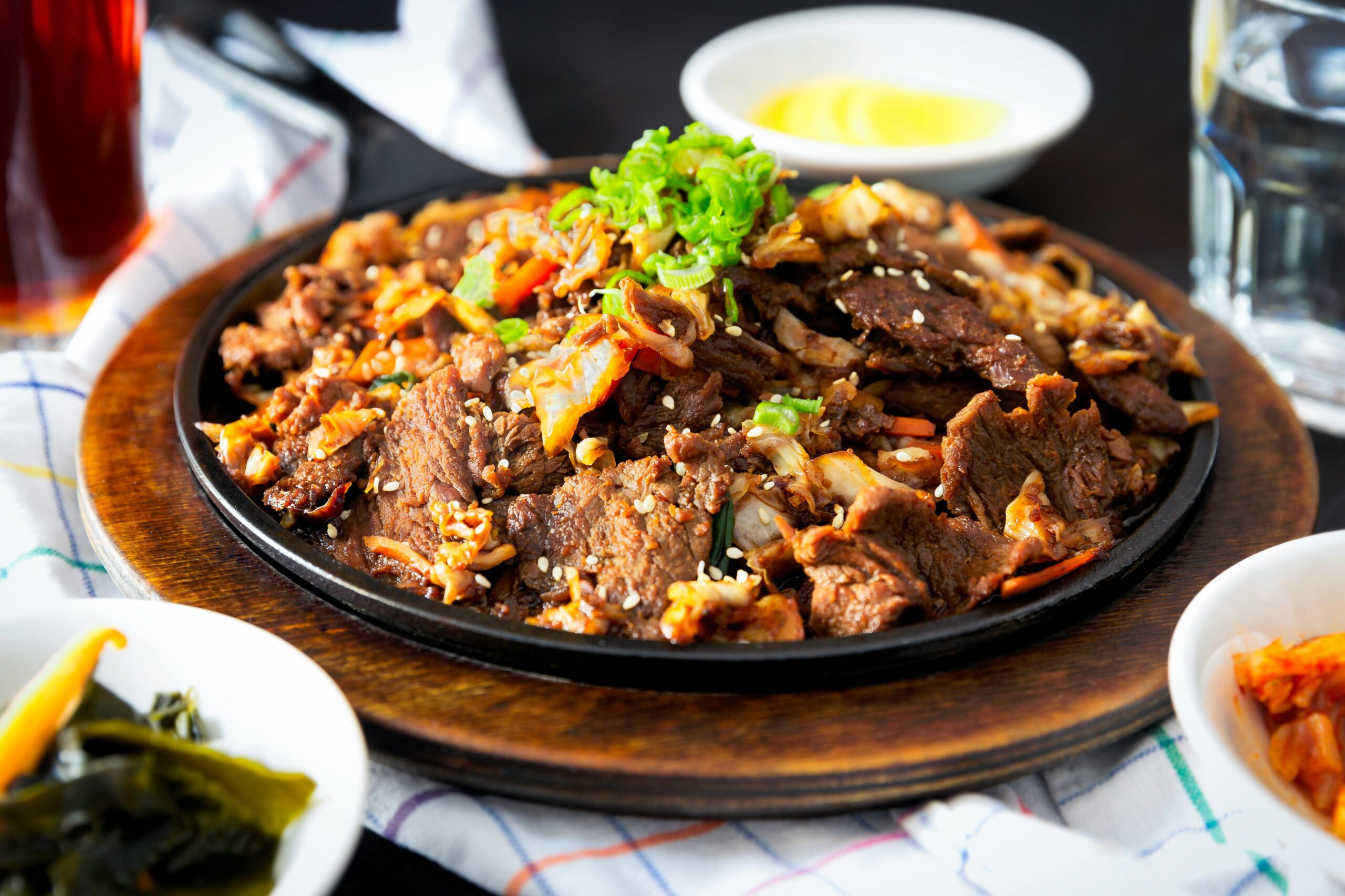
Chinese Restaurant Insurance
Chinese restaurants are some of the busiest and most diverse hospitality venues in Australia. With a combination of dine-in service, takeaway, delivery orders, commercial wok cooking, and high customer turnover, these restaurants face unique risks that standard insurers often refuse to cover properly.
Hot woks, high flames, oil vapours, deep fryers, delivery logistics, and food handling create a risk profile that requires specialist hospitality insurance, not basic retail or generic business cover.
Morgan Insurance Brokers works with a panel of specialist restaurant insurers who understand the risks of Chinese restaurants, from large dine-in venues to takeaway outlets and delivery-focused kitchens.
Why Chinese Restaurants Need Specialist Insurance
Chinese restaurants use high-heat cooking methods and fast-paced operations that significantly increase risk.
Common risk factors include:
- Wok cooking with extremely high flames and heat output
- Deep fryers used for dishes like spring rolls, fried rice, and crispy pork
- Oil vapours and grease build-up, increasing exhaust duct fire risk
- Slip and fall hazards from constant foot traffic and kitchen spills
- Cold room and freezer reliance, especially for seafood and produce
- Food contamination risks, including seafood, poultry, and allergens
- Delivery driver risks for restaurants offering home delivery
- Staff injuries, including burns, cuts, lifting injuries, and strains
These exposures mean Chinese restaurants need insurance tailored to high-heat cooking, takeaway operations, and delivery services.
Chinese Restaurant Insurance Cover Options
A tailored Chinese Restaurant Insurance Package protects your business from equipment failure, liability incidents, staff claims, and unexpected disruptions.
Business Property & Contents
Covers your restaurant fit-out, furniture, décor, kitchen equipment, appliances, and general contents from fire, theft, vandalism, or accidental damage.
Public & Products Liability
Absolutely essential. Covers injury or damage caused to customers, delivery drivers, or the public, including:
- Slip-and-fall incidents
- Burns from hot plates or cooking oil
- Food poisoning or allergen reactions
- Property damage caused during deliveries
High liability exposure means this cover must be arranged through specialist hospitality insurers.
Machinery Breakdown
Chinese restaurants rely on:
- Wok burners & wok ranges
- Deep fryers
- Steamers & rice cookers
- Refrigeration & cool rooms
- Freezers
- Exhaust & ventilation systems
A breakdown can shut down service immediately. Machinery breakdown ensures quick repairs or replacement.
Electronic Breakdown
Protects POS systems, online ordering tablets, temperature controllers, kitchen display screens, and other electronic equipment.
Stock & Food Spoilage
Covers loss of perishable stock like seafood, meat, vegetables, and cooked items due to refrigeration failure, power outage, or contamination.
General Property (Portable Equipment)
Ideal for mobile catering, outdoor service, or pop-up food stalls. Covers portable cooking gear, utensils, and event equipment.
Goods in Transit
Covers ingredients, supplies, and takeaway food while being transported — especially useful for businesses with delivery operations.
Business Interruption
Covers lost income if your restaurant must close due to fire, equipment breakdown, storm damage, or other insured events. Helps cover rent, wages, and fixed expenses.
Glass and Signage
Covers accidental breakage of external windows, display cabinets, and illuminated signage.
Money & Theft
Protection from burglary, cash theft, internal theft, and break-ins.
Management Liability Insurance
Chinese restaurants often operate with a mix of full-time, part-time, and casual staff. This increases the likelihood of HR-related claims.
Management Liability protects owners and directors from:
- Unfair dismissal claims
- Employee harassment or discrimination claims
- OH&S investigations
- Wage and award disputes
- Claims of mismanagement
This cover is essential for any hospitality business with employees.
Cyber Insurance
Chinese restaurants commonly rely on:
- Delivery platforms (Uber Eats, Menulog, DoorDash)
- Online ordering systems
- Payment terminals
- QR code menus
- POS integration
Cyber Insurance protects you from data breaches, ransomware, payment terminal hacks, invoice scams, and system outages.
Why Standard Insurers Often Decline Chinese Restaurants
General insurers frequently avoid Chinese restaurants due to:
- High fire risk from wok cooking
- Grease load in extraction systems
- High claim frequency for slips and burns
- Delivery liability complications
- Equipment-intensive kitchens
- High-value seafood stock
Standard business policies often exclude the very things you need covered.
Morgan Insurance Brokers works with hospitality-focused insurers who cover these risks properly.
Why Choose Morgan Insurance Brokers
We specialise in hospitality insurance and restaurant insurance, with deep experience covering Chinese restaurants, takeaway shops, and delivery-focused venues.
Owners choose us because:
- We access specialist insurers who accept high-risk cooking methods
- We tailor cover to dine-in, takeaway, and delivery setups
- We understand Chinese restaurant equipment and food handling risks
- We offer honest, personalised service
- We manage claims from start to finish
- We secure strong protection at competitive premiums
We work for you, ensuring your restaurant is properly covered, not underinsured.
Get a Quote for Chinese Restaurant Insurance
Protect your Chinese restaurant with a tailored hospitality insurance package designed for high-heat cooking, takeaway, and delivery operations.
Contact Morgan Insurance Brokers today for a free, no-obligation quote.
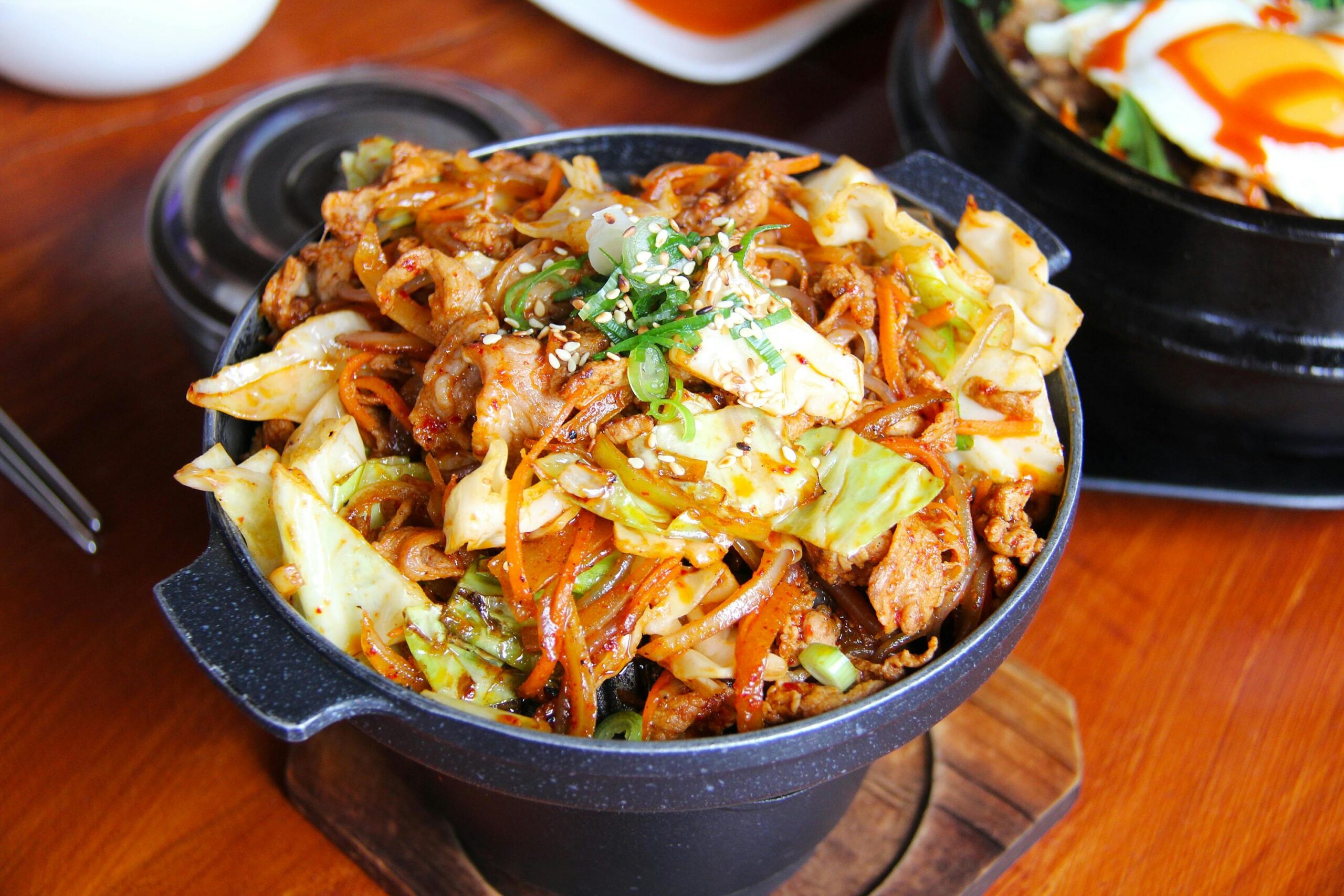
Korean Restaurant Insurance
Korean restaurants are some of the most vibrant and fast-paced hospitality venues, from tabletop grills and hot pots to busy dine-in service, takeaway, and high-value ingredients. But with this comes increased risk. Open flames, hotplates, ventilation systems, smoke, seafood handling, crowded dining areas, and staff exposure all create a risk profile that standard insurers often refuse to cover properly.
That’s why Korean restaurant owners need specialist hospitality insurance, not generic retail or café insurance.
Morgan Insurance Brokers works with a panel of specialist restaurant insurers who understand the unique risks of Korean BBQ venues, Korean fried chicken shops, traditional restaurants, and modern fusion establishments.
Why Korean Restaurants Need Specialist Insurance
Korean cuisine involves cooking styles and equipment that significantly increase fire, liability, and equipment risks.
Common Korean restaurant risks include:
- Open-flame tabletop BBQ grills
- High smoke and heat levels increasing duct and exhaust fire exposure
- Gas and charcoal cooking equipment
- Deep fryers used for Korean fried chicken
- High foot traffic in dine-in areas
- Slip and fall hazards from spills and steam condensation
- Seafood storage and contamination risks
- Staff burns, cuts, and manual handling injuries
- Potential alcohol-related incidents if you serve soju or Korean beer
These risks mean Korean restaurants require specialist cover tailored to high-heat cooking, not basic restaurant insurance.
Korean Restaurant Insurance Cover Options
A customised Korean Restaurant Insurance Package protects you from operational hazards, equipment failures, staff risks, and unexpected events.
Business Property & Contents
Covers your restaurant fit-out, décor, tables, chairs, cooking appliances, signage, and general contents from fire, theft, vandalism, and accidental damage.
Public & Products Liability
Absolutely essential for Korean BBQ venues. Covers injuries or property damage involving:
- Tabletop BBQ burns
- Slips and falls caused by spills
- Allergic reactions or food poisoning
- Incidents involving hot plates or grills
This is one of the most important insurance protections for Korean restaurants.
Machinery Breakdown
Korean restaurants rely heavily on:
- Commercial grills
- Ventilation hoods & ducting
- Deep fryers
- Refrigeration & cool rooms
- Freezers
- Hot plates & gas appliances
A breakdown during service can halt operations. Machinery breakdown ensures fast repair or replacement.
Electronic Breakdown
Covers POS systems, ordering screens, ventilation controllers, temperature monitors, and other electronic equipment.
Stock & Food Spoilage
Protects valuable stock such as beef, pork belly, seafood, noodles, sauces, and produce if refrigeration fails or there is a power outage.
General Property (Portable Equipment)
Covers any mobile or portable equipment used for events, catering, or off-site cooking demonstrations.
Business Interruption
Provides income support if you must close temporarily due to fire, storm damage, major equipment failure, or another insured event. Helps cover rent, wages, utilities, and ongoing bills.
Glass & Signage
Covers accidental breakage of windows, internal glass partitions, and illuminated signage.
Money & Theft
Protects against break-ins, cash theft, or property stolen from the business.
Management Liability Insurance
Korean restaurants often employ a mix of full-time chefs, casual staff, students, and family workers. This increases the risk of HR-related claims.
Management Liability protects owners and directors from:
- Unfair dismissal claims
- Casual employment disputes
- Bullying or harassment allegations
- OH&S breaches and investigations
- Wage or award disputes
- Claims of mismanagement
This cover is vital for any hospitality business with staff.
Cyber Insurance
Most Korean restaurants rely on multiple digital systems, including POS, QR code menus, food delivery platforms, loyalty apps, and bookings.
Cyber Insurance protects your business from:
- Ransomware
- Hacked payment systems
- Customer data breaches
- Invoice fraud
- Booking system outages
Even small restaurants are common cyber targets.
Why Standard Insurers Often Decline Korean Restaurants
Korean BBQ restaurants, especially those with tabletop grills and charcoal cooking, are considered high-risk by general insurers.
Common issues with standard policies include:
- Exclusions for open-flame or solid fuel cooking
- No machinery breakdown cover
- Inadequate business interruption limits
- Poor food spoilage protection
- Reduced liability cover for burns or heat-related injuries
- Exclusions for alcohol-related incidents
Morgan Insurance Brokers avoids these pitfalls by using specialist hospitality insurers that welcome Korean restaurants and understand their equipment, cooking processes, and risk management needs.
Why Choose Morgan Insurance Brokers
We specialise in hospitality insurance and restaurant insurance, with deep experience insuring Korean eateries across Australia.
Korean restaurant owners choose us because:
- We access specialist hospitality insurers (not general markets)
- We understand high-heat cooking risks and ventilation requirements
- We tailor policies for Korean BBQ, fried chicken venues, and dine-in restaurants
- We provide fast support and transparent communication
- We manage claims from start to finish
- We secure competitive premiums without hidden exclusions
We work for you, ensuring your restaurant is covered properly.
Get a Quote for Korean Restaurant Insurance
Protect your Korean restaurant with a tailored insurance package designed for the unique risks of Korean cuisine and BBQ venues.
Contact Morgan Insurance Brokers today for a free, no-obligation quote.
