

Does Your Public Liability Insurance Cover Subcontractors? A Guide For Head Contractors
Many Australian industries rely on subcontractors as employees who perform regular duties. In particular, the construction and trade industries deal with high-volume projects that require a large number of employees, so an efficient way to complete their jobs is with subcontractors.
As a head contractor, you’ll be in charge of navigating the insurance policy and ensuring that your business is protected. A common misconception is that public liability policies cover everyone on the construction site; however, this doesn’t extend to subcontractors.
Your insurance policies will generally cover your errors and your employees' errors, but subcontractors fall into another bracket. How does this work? Morgan Insurance Brokers, as your experts, will break it down for you.
The Difference Between Employees Vs Subcontractors:
When it comes to insurance policies, terms and conditions are very specific. That’s why it's important that you understand your coverage and ensure that you’re prepared in the event of a claim. So, what is the difference between an employee and a subcontractor?
- Employee: Employees are protected under your policies because they are a part of your company and business.
- Subcontractor: Subcontractors are under separate business entities with their own ABNs, which means they are liable for their own work and not covered under your insurance policies.
So, subcontractors are an efficient way to manage workload in high-volume and demanding industries, but they come at a risk, as you’re not protected for their work. Insurers will often ask for the percentage amount of your turnover that is paid to subcontractors, so they can calculate your risk.
Am I Liable For Subcontractors' Errors?
If a subcontractor causes damage or makes a mistake, they should be directly liable (i.e. through their own insurance). Your insurance policy will view this as third-party negligence, meaning you’re not directly liable but you can still be vicariously liable.
Vicarious Liability: When You May Still Be Responsible
Even though a subcontractor is technically an independent business, you may still be vicariously liable for their actions in certain circumstances. Vicarious liability arises where you are considered responsible for the way the subcontractor was appointed, instructed, or supervised.
Insurers and courts may look at factors such as:
-
Instructions given: Did you provide clear and appropriate instructions?
-
Scope of control: How much direction or control did you exercise over their work?
-
Onboarding process: Did you verify qualifications, experience, and insurance?
-
Toolbox talks and safety briefings: Were proper safety procedures communicated?
-
Due diligence: Did you hire a competent, qualified, and insured subcontractor?
-
Supervision and oversight: Was there reasonable monitoring of their work?
If it’s determined that you failed in your duty of care, for example, by hiring someone unqualified, not checking their insurance, or providing unsafe instructions, your own insurance policy may need to respond and bear a portion of the claim.
Our Advice
So, as a head contractor, it is your responsibility to ensure that your business is protected. This starts with the insurance policy. But what do you look for? Let’s break it down.
- Disclosure: You should disclose that your business uses subcontractors to your insurer; otherwise, claims could be denied.
- Certificate of Currency: It is important that, before you allow a subcontractor to begin work on your site, you check that they have a current certificate of currency for public liability. This means they have the appropriate insurance to protect their own work.
- Written Agreement: You should have an agreement in place that explicitly states they own insurance and you are not liable.
- Compliance: It is down to you to ensure compliance is upheld. For example, if a subcontractor tells you they are renewing their insurance ‘next week’, you should wait until they have obtained it to let them on your site.
The truth is, when it comes to insurance policies, there is a lot to look for, and it can be easy to miss vital information. With Morgan Insurance by your side, you don’t need to worry about whether you’ve covered all the bases. We’ll navigate the insurance market for you to secure the best terms for your insurance policy. We’re experts, so you don’t have to be.
Morgan Insurance: From Start To Finish
As your insurance broker who specialises in insurances for the construction industry, we’ll be with you every step of the way. We’ll get you set up with a policy that works for you when you need it most.
The best part? We make it easy to get started with us. Reach out today. A member of our team will take it from here, so your insurance isn’t something you need to worry about ever again.


What Types of Insurance Do Construction Businesses Need?
Running a construction business in Australia involves more than managing projects, subcontractors, and deadlines, it also means managing risk. From accidental property damage to workplace injuries and contractual disputes, construction businesses face exposures that can quickly become financially devastating without the right insurance in place.
Understanding which types of construction insurance you actually need, and why, is essential for protecting your business, meeting contract requirements, and securing ongoing work.
Below, we break down the key insurance policies construction businesses should consider, and how they work together to form a solid risk management strategy.
Public Liability Insurance for Construction Businesses
Public Liability Insurance is the most critical insurance that a construction business should insure for. It's a cover that protects your business for when claims are brought against you for negligence, or even alleged negligence for damages to third party property, or injury to third parties that are not your employees. Public Liability and Workers Compensation are considered the 2 non-negotiable insurances as the likelihood of a claim occurring are higher in this industry than others.
Construction is considered a high-risk industry. According to Safe Work Australia, construction consistently records one of the highest numbers of serious workplace injury claims, with falls, slips and trips among the leading causes of injury. These types of incidents don’t just affect workers, they can also involve clients, subcontractors or members of the public on site.
Apart from protecting your business and also the directors and employees again big financial trouble if something did happen, it also allows you to get work. For example, many residentials, larger companies that you may subcontract to, councils etc will request to see a copy of your public liability insurance before they will either award you the work or allow you to go on site to start work.
Contract Works Insurance which protects the Project Itself
While Public Liability Insurance protects against third-party injury or property damage claims, Contract Works Insurance covers the physical construction project itself while it is being built.
As construction insurance specialists, we regularly assist clients with contract works claims. For example, during the November 2025 hail storm, Lauren Spice personally managed a builders claim process, working with the insurer to assess damage and ensure the builder’s financial exposure was minimised where severe hail damage impacted a newly installed roof on a residential property under construction. Because the builder was responsible for the works at the time of loss, the policy responded to cover the damage.
Extreme weather events, including hail and storm damage are one of the most contract works claims that occur in Australia. In 2025, severe weather events triggered nearly 264,000 insurance claims across Australia and billions in insured losses, according to the Insurance Council of Australia.
This is exactly why Contract Works Insurance is critical for builders and trades who are responsible for materials, labour and project risk during construction. Without the right cover in place, unexpected events such as storm damage, theft or vandalism can result in significant financial loss.
Professional Indemnity Insurance which is For Advice, Design, and Errors
Professional Indemnity Insurance for the construction industry is an emerging insurance. Usually, we would think that professional indemnity insurance is for occupations such as insurance brokers, lawyers, accountants, etc however it is highly relevant to construction businesses that provide advice, design input or professional services as part of their role.
In construction, Professional Indemnity Insurance or Design and Construct Insurance responds in two main parts, depending on the policy type that has been organised. Please note that Design and Construct is not automatic under all professional indemnity insurance policies for the construction industry.
The first relates to claims arising from your own professional services, for example, project management advice, specification errors, or a breach of professional duty that leads to financial loss to a client, or third party.
The second involves claims connected to subcontracted design or advisory services. Builders can be drawn into disputes as a primary or secondary party where design consultants, engineers or other subcontractors have made errors that result in financial loss or rectification costs.
It is important to note that even if you haven't signed a D & C Contract, this does not mean that you don't have an exposure.
Workers Compensation Insurance
If you employ staff, Workers Compensation Insurance is mandatory in Australia. This insurance cover protects employees who suffer a work-related injury or illness and require time away from work.
Workers’ Compensation Insurance typically covers a portion of the employee’s lost wages during their recovery period, as well as reasonable medical and rehabilitation expenses associated with the injury. This may include hospital treatment, specialist consultations, physiotherapy and approved rehabilitation programs.
While the primary purpose of Workers’ Compensation Insurance is to protect employees, it also safeguards business owners and directors from significant financial exposure. Without this cover in place, an employer could be personally liable for wages, medical expenses and associated costs following a workplace injury.
The construction industry remains one of the highest-risk sectors for workplace injury in Australia. According to Safe Work Australia , there were 146,700 serious workers’ compensation claims lodged nationally, with construction accounting for approximately 12% of those claims, making it one of the leading contributors to serious workplace injuries.
Tools and Equipment Insurance
Tool theft is one of the most common claims we see within the construction industry. As insurance brokers specialising in construction businesses, we regularly assist clients who have suffered losses due to stolen tools or damaged equipment.
For example, Lauren Spice recently managed a claim involving $25,000 worth of tools stolen from a construction company employee’s vehicle, despite the tools being secured inside a locked toolbox. The claim was lodged promptly and paid within two days, allowing the client to replace their equipment immediately and avoid significant disruption to their business operations.
Unfortunately, this type of incident is not uncommon. According to Australian crime statistics, theft from motor vehicles remains one of the most frequently reported property offences nationally, with tens of thousands of incidents recorded each year.
Theft from vehicles, including tradespeople’s tools and equipment stored on-site or in work vehicles contributes significantly to property crime in Australia. According to the Australian Bureau of Statistics, about 72,000 experienced motor vehicle theft in 2023–24
Tradespeople, whose vehicles often store high-value tools overnight, are particularly exposed to this risk.
Tools and Equipment Insurance can respond not only to theft but also to damage caused by insured events such as storm, fire and, in some cases, flood. Having the appropriate cover in place helps ensure that unexpected losses do not halt a project or create substantial out-of-pocket expenses for the business.
Plant and Machinery Insurance – For Larger Equipment
For businesses that own or hire significant machinery — such as excavators, loaders, or cranes — Plant and Machinery Insurance is often required.
This cover can protect against:
- Accidental damage
- Breakdown
- Theft
- On-site and off-site risks
Many hire agreements also require proof of insurance before equipment is released.
Management Liability Insurance – Protecting Business Owners
Construction business owners and directors face increasing exposure to regulatory investigations, employment disputes, and management-related claims.
Management Liability Insurance can provide cover for:
- Employment practices claims
- Workplace bullying or unfair dismissal allegations
- Regulatory fines and investigations
- Director and officer liabilities
As construction businesses grow, this type of cover becomes increasingly relevant.
Why Construction Insurance Isn’t One-Size-Fits-All
No two construction businesses face the same risks. Insurance requirements vary depending on:
- Trade type
- Business size
- Annual turnover
- Contract values
- Whether you employ staff or subcontractors
- The types of projects you work on
Relying on generic or “cheap” insurance can leave dangerous coverage gaps, particularly in construction, where claims are often complex and high-value.
How Morgan Insurance Brokers Helps Construction Businesses
At Morgan Insurance Brokers, we work closely with builders, contractors, and construction businesses across Australia to arrange tailored construction insurance solutions.
We help by:
- Identifying gaps in existing cover
- Ensuring compliance with contract requirements
- Accessing specialist construction insurers
- Structuring insurance programs that grow with your business
- Providing ongoing claims support when it matters most
Final Thoughts
Having the right construction insurance in place isn’t just about ticking a box, it’s about protecting your livelihood, reputation, and long-term success. Understanding which policies you need is the first step toward building a resilient and compliant construction business.
If you’re unsure whether your current cover is adequate, speaking with a specialist construction insurance broker can make all the difference.
General Advice Warning
The information in this article is general advice only and does not take into account your personal objectives, financial situation or needs. Before making any decision, you should consider whether the advice is appropriate for you and review the relevant Product Disclosure Statement (PDS) and policy wording. Please refer to our Financial Services Guide for details about our services.
Morgan Insurance Brokers Pty Ltd is a Corporate Authorised rep (ASIC no 001292274) of Brindabella Insurance Brokers Pty Ltd AFSL 000500149.
The Complete Guide to Owner Builders Insurance
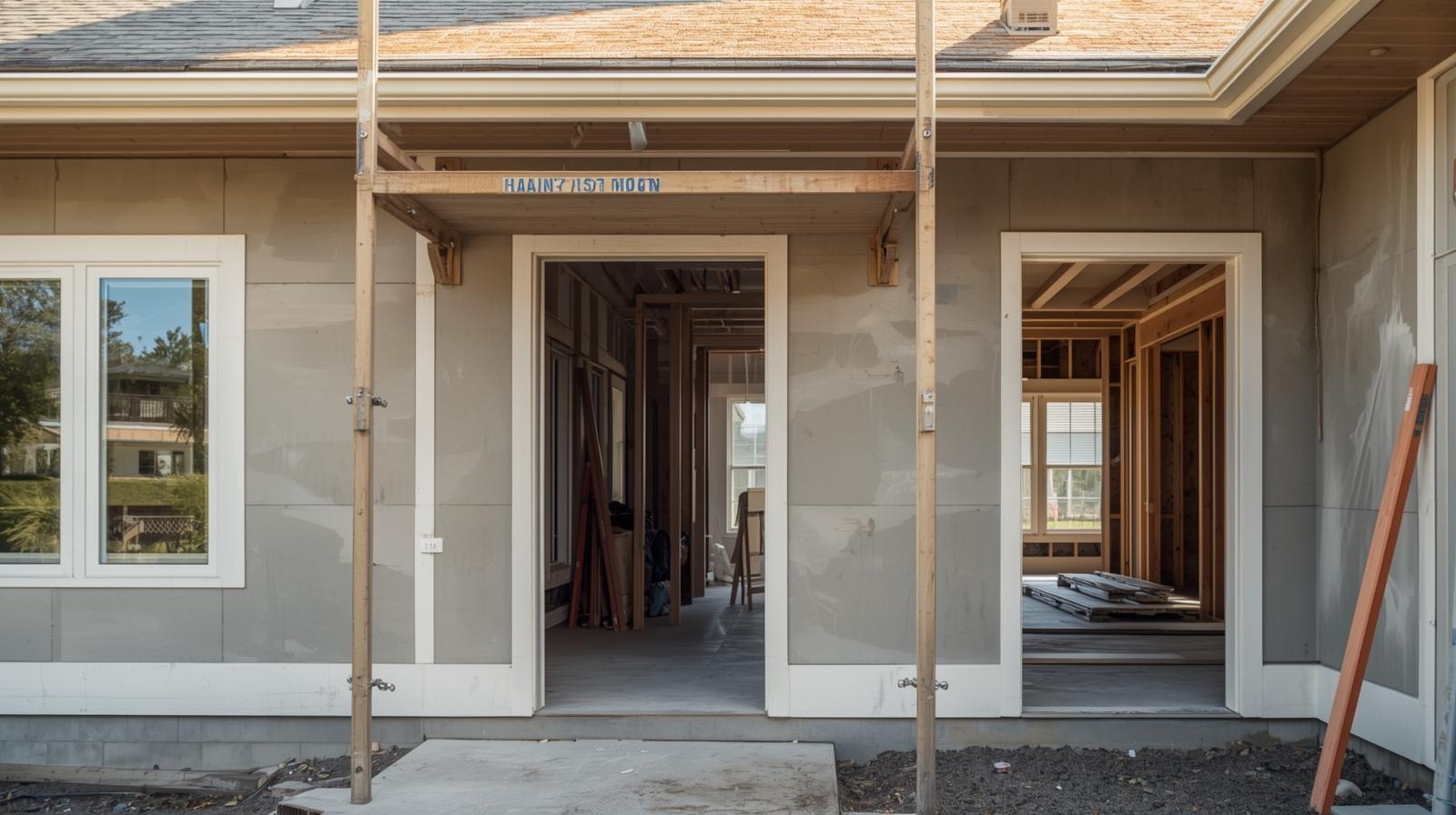
Taking on an owner-builder project is exciting, but it also comes with significant risks. From construction mishaps to unexpected weather events, a lot can go wrong during a build or renovation. That’s where Owner Builders Insurance comes in. It’s designed to protect both your property and your financial investment while ensuring you’re covered for accidents, liability, and loss.
What Is Owner Builders Insurance?
Owner Builders Insurance is a specialised policy designed for people managing their own construction or renovation project without hiring a licensed builder to take full responsibility. It typically includes cover for:
- Contract Works / Material Damage (damage to the works during construction)
- Public Liability (injury to others or damage to their property)
- Optional Extras such as home contents, tools, and personal accident cover
This insurance fills the gap between traditional home insurance and builder-managed insurance.
Why Should You Have It?
1. Protect Your Property During Construction
Renovations and builds expose your home to increased risks, fire, theft of materials, vandalism, storms, collapse, and more. Owner Builders Insurance keeps your project protected from costly setbacks.
2. Protection Against Slip-and-Fall Claims
If a neighbour, visitor, or delivery driver slips, trips, or is injured on your site, you are liable. Public liability insurance safeguards you from expensive claims, medical bills, and legal fees.
3. Essential for Lenders and Councils
Many lenders and some councils require owner-builder coverage before construction can begin.
4. Peace of Mind
Accidents happen. Insurance ensures they don’t stop your project or drain your savings.
How Much Owner Builders Insurance Do You Need?
Generally, you should insure the full estimated value of the works, including:
- Materials
- Labour (even if doing some yourself)
- Structural changes
- Extensions
- Site works
Public liability limits typically start at $5 million, with many owner-builders opting for $10–20 million depending on risk.
Morgan Insurance Brokers can help you calculate the right amount based on your project size and exposure.
Will It Cover My Home If It Burns Down?
Yes — if the fire damages the works under construction, Owner Builders Insurance can cover it.
However, for an existing home attached to the works, you may need additional cover or a combined policy. Some insurers automatically include partial coverage; others require add-ons. Morgan Insurance Brokers can guide you through the differences.
Does It Cover Flood?
Some owner-builder policies cover flood, but many do not unless specifically added. This is often optional and depends on your location and risk level. Always check your policy wording, we can help ensure you’re properly protected if your property is in a flood-prone area.
Does It Cover Home Contents?
Yes, some Owner Builders Insurance policies can cover home contents, even during construction.
This is particularly useful if you’re living in part of the home during renovations and need temporary contents protection.
Does It Matter If I Don’t Live There During Renovations?
No, you can still get Owner Builders Insurance if the home is vacant or unoccupied.
However, insurers need to know whether you live on-site, as it affects risk (e.g., higher theft risk in empty homes). Morgan Insurance Brokers will select a policy that matches your residency status.
How Do I Get Owner Builders Insurance?
The easiest way is to use Morgan Insurance Brokers. We:
- Compare policies across multiple insurers
- Make sure you get the right cover for your specific project
- Help you avoid exclusions and gaps
- Handle all paperwork, requirements, and insurer communication
You simply tell us about your project, we do the rest.
What Happens in the Event of a Claim?
If something goes wrong during your build:
- Call Morgan Insurance Brokers immediately.
- We help you lodge the claim with the insurer.
- We assist with required documentation, photos, and reports.
- We negotiate with the insurer on your behalf and keep you updated.
Our job is to make the claims process smooth, fast, and stress-free, so you can focus on your project, not insurance paperwork.
Final Thoughts
Owner-builder projects come with unique risks, but the right insurance ensures you’re protected from start to finish. From slip-and-fall liability to fire, flood, theft, and damage to your construction works, Owner Builders Insurance is essential for anyone taking on their own building project.
Morgan Insurance Brokers can help you get the perfect cover, manage your risks, and support you through any claims.

How Much Does Construction Insurance Cost in Australia?
Construction is one of the highest risk industries in Australia. From on site accidents and property damage to weather events and theft, every project carries potential financial risks. This makes construction insurance essential because it protects builders, subcontractors, and property owners if something goes wrong.
So how much does construction insurance actually cost in Australia? The answer depends on several factors such as your project size, business operations, and the type of insurance you choose. This guide explains the key cost factors and outlines the two most common types of construction insurance. These are Contract Works Insurance and Public Liability Insurance.
Understanding Construction Insurance Costs
There is no single set price for construction insurance. Instead, premiums are calculated based on risk exposure, project value, and specific coverage needs. For most small to medium builders in Australia, annual premiums generally range from a few hundred to several thousand dollars depending on the scope of work.
Common Factors That Influence Cost
Project size and value
Larger or high value projects typically attract higher premiums.
Type of construction work
High risk activities such as roofing or demolition cost more to insure than lower risk trades like painting or tiling.
Number of workers and subcontractors
More workers increase the chance of incidents which can raise insurance costs.
Annual turnover
Higher turnover can indicate increased risk exposure and may result in higher premiums.
Claims history
A history of previous insurance claims can increase future premium costs.
Project location
Sites located in areas prone to storms, flooding, vandalism, or theft may incur higher insurance rates.
1. Contract Works Insurance
Contract Works Insurance protects the physical project itself. It covers the building, materials, and work in progress if they are damaged or lost due to events like fire, storms, vandalism, or theft.
What Contract Works Insurance Covers
- Damage to the building or construction site
- Theft or vandalism of materials
- Fire, storms, floods, and other natural disasters
- Tools and equipment if included
- Temporary structures such as scaffolding and site offices
Average Cost of Contract Works Insurance
For small to medium builders, Contract Works Insurance typically starts from around 800 to 2,500 per year. Costs vary based on project size, contract value, and the level of cover required. Larger commercial builders or those with continuous project cover will pay more.
Why Contract Works Insurance Is Important
Many construction contracts require builders to provide proof of Contract Works Insurance before work begins. Without it, you may be held financially responsible for damage or loss during construction.
2. Public Liability Insurance
Public Liability Insurance is essential for anyone working in the construction industry. It protects your business against claims from third parties who may suffer injury or property damage as a result of your work.
What Public Liability Insurance Covers
- Third party injuries
- Damage to third party property
- Legal fees and compensation payouts
Average Cost of Public Liability Insurance
Small construction businesses generally pay between 500 and 1,500 per year for public liability cover with limits ranging from 5 million to 10 million. High risk trades or larger builders may pay more. For a deeper explanation, read our full article: Public Liability Insurance Cost
Why Public Liability Insurance Is Essential
Public liability insurance is often mandatory for tradespeople, subcontractors, and builders. It also helps protect your business reputation and financial stability if an incident occurs.
Combined Construction Insurance Packages
Many builders and tradespeople choose to combine Contract Works Insurance and Public Liability Insurance in a single package for convenience and broader protection.
Example Combined Package
A small residential builder might pay:
- 1,200 to 1,800 per year for combined Public Liability and Contract Works
- 2,000 to 3,000 or more per year if adding tools, plant, or equipment insurance
Why Choose Morgan Insurance Brokers for Construction Insurance
Navigating construction insurance can be complex. Working with a specialist broker ensures you receive the right level of cover at a competitive price. Morgan Insurance Brokers are experts in construction and trades insurance, offering tailored solutions based on your project requirements and risk profile.
Why Builders Trust Morgan Insurance Brokers
- Access to a wide network of Australian and international insurers
- Expert insurance advice for builders, subcontractors, and tradespeople
- Comprehensive cover options including Contract Works, Public Liability, Tools, and Plant Insurance
- Full support from policy setup through to claims assistance
Morgan Insurance Brokers understand the unique risks of the construction industry and ensure you have the protection that matters most.
Conclusion
The cost of construction insurance in Australia varies widely depending on your business type, project scale, and required coverage. Investing in the right insurance protects your business from unexpected financial losses and helps ensure every project proceeds with confidence.
For most builders and tradespeople, combining Contract Works Insurance with Public Liability Insurance provides strong and reliable protection.
For tailored quotes and expert support, contact Morgan Insurance Brokers today. Their construction insurance specialists can assess your needs and secure the most suitable cover at the best price.
Protect your next build and request a personalised construction insurance quote from Morgan Insurance Brokers, a specialist construction insurance broker.

Single Contract Works vs Annual Contract Works Insurance
When you’re working in construction, whether you’re a builder, contractor, tradie, or developer, protecting your project from unexpected loss or damage is essential. Contract Works Insurance is designed to safeguard the physical building works, materials, and equipment that form part of a construction project. But choosing between Single Contract Works and Annual Contract Works can be confusing, especially if you handle a mix of different types of jobs throughout the year.
This guide explains what Contract Works Insurance is, the difference between the two types of cover, what kind of projects you’d insure, and how a broker like Morgan Insurance Brokers can help you choose the right structure.
What Is Contract Works Insurance?
Contract Works Insurance (which is a form of Construction Insurance) protects construction projects against:
- Accidental damage to the works
- Fire, storm, flood (depending on insurer)
- Theft of building materials
- Vandalism
- Collapse
- Damage during transportation or temporary storage
- Third-party property damage or personal injury (when public liability insurance is included)
It’s essential cover that ensures your building project can continue, even if something unexpected goes wrong.
What Types of Projects Would You Insure?
You would typically insure any construction project where you're responsible for the works, including:
- New home builds
- Home extensions, renovations, and alterations
- Commercial construction
- Residential developments
- Fit-outs and shopfitting
- Civil works
- Pools and landscaping
- High-value or bespoke builds
- Projects where the principal or contract requires it
If the value, complexity, or contractual obligations are significant, Contract Works cover becomes even more important.
Single Contract Works vs Annual Contract Works
Both forms of Contract Works Insurance serve the same core purpose: to protect the project during the construction period.
The key difference is in how and when they apply.
Single Contract Works Insurance
Best for: One-off, unique, or high-risk projects
Single Contract Works Insurance covers one specific project only, from start to finish. You select the exact project address, value, duration, and risk profile.
Why choose Single Contract Works?
✔ You only want cover for one project
Ideal for contractors who build occasionally or take on one major project per year.
✔ The project is unusual or high-risk
Some projects don't fit the risk appetite of your annual insurer, for example:
- Basements
- Demolition
- Multi-storey additions
- High-value architectural builds
- Flood-prone locations
In these cases, placing the project separately avoids affecting your main annual policy.
✔ Higher excesses are acceptable or required
High-risk projects may require higher excesses. Instead of increasing your entire annual excess, you can isolate the project under a standalone policy.
✔ Your current annual policy can’t cover the project
Some insurers have strict underwriting rules. If your annual provider declines or limits the job, a single contract works policy is a clean solution.
Who typically chooses single project cover?
- Custom home builders
- Developers doing a one-off build
- Owner-builders
- Contractors handling one large project at a time
- Builders taking on a unique or complex job
Annual Contract Works Insurance
Best for: Builders completing multiple projects per year
Annual Contract Works Insurance covers all projects undertaken within a 12-month period, up to a chosen maximum contract value and turnover.
Why choose Annual Contract Works?
✔ You complete multiple projects per year
No need to arrange a new policy every time.
✔ It’s often more cost-effective
Australian insurers usually apply a cheaper rate when cover is structured annually rather than per project.
✔ Simpler administration
One policy, one premium, one renewal.
✔ Covers projects automatically (up to set limits)
As long as your jobs fall within your declared range (e.g., project values, type of works), they are covered without needing individual approval.
✔ Flexible coverage for variations
Construction often involves changes. Annual cover generally adapts more easily.
Who typically chooses annual cover?
- Volume home builders
- Renovation builders
- Commercial building companies
- Civil contractors
- Trade businesses completing several projects regularly
What Are the Differences in Cover?
Both types provide similar base protection, but some differences exist across insurers:
| Feature | Single Contract Works | Annual Contract Works |
|---|---|---|
| Coverage basis | One specific project | All projects within 12 months |
| Premium | Based on single contract value | Based on annual turnover & project limits |
| Rate | Usually higher | Usually cheaper overall |
| Underwriting flexibility | Very flexible; tailored to the project | More standardised |
| Project approval | Required for each standalone policy | Automatic cover (within limits) |
| Excess | May vary per project | Generally consistent |
Coverage may differ between insurers especially for storm, flood, or defective workmanship extensions.
How a Broker Helps You Choose the Best Structure
Why Work With Morgan Insurance Brokers?
Choosing between single and annual Contract Works Insurance isn’t just about cost—it’s about risk, compliance, and practicality.
A broker like Morgan Insurance Brokers can help you:
✔ Analyse your pipeline and determine the most cost-effective option
They’ll compare whether insuring each project separately or using an annual structure will give you better value.
✔ Identify insurer limitations that may affect your jobs
Some insurers won’t cover certain project types. A broker can source alternatives quickly.
✔ Ensure you meet contract requirements
Government, developers, and principals often have strict insurance obligations. Morgan Insurance Brokers makes sure you are compliant.
✔ Tailor coverage to the project
Higher-risk or specialised jobs can be placed separately so they don’t impact your annual premium.
✔ Navigate claims and contract disputes
Expert claims support means less stress and faster resolution.
✔ Access a network of specialist construction insurers
Better coverage, competitive premiums, and expert advice.
Final Thoughts: Single vs Annual, Which Is Better?
The right choice depends on your business model:
Choose Single Contract Works if:
- You only need cover for one project
- The project is complex, high-risk, or unusual
- Your annual insurer cannot cover it
- You want to isolate the risk from your main policy
Choose Annual Contract Works if:
- You handle multiple projects throughout the year
- You want simplicity and automatic cover
- You want a cheaper rate overall
- You want consistent excesses and easier administration
If you're unsure which structure is right for you, Morgan Insurance Brokers can assess your project pipeline, insurer appetite, and risk profile to determine the most cost-effective and suitable option.

Do HVAC Businesses Need Professional Indemnity Insurance?
When you work in the HVAC industry, clients rely heavily on your advice, technical expertise, system design, and installation quality. Whether you’re designing a complex commercial system or recommending a residential solution, one small oversight can lead to costly consequences, property damage, business interruption, or even claims from unhappy clients.
This is where Professional Indemnity (PI) Insurance comes in for your airconditioning business.
Do HVAC Contractors Need Professional Indemnity Insurance?
The short answer: If your HVAC business provides any advice, design, or specification, YES.
Many HVAC companies assume that public liability insurance is enough. But public liability only covers physical injury or property damage caused by your work. It does not protect you against financial losses resulting from advice or design mistakes.
Examples of PI-related risks in HVAC:
- Designing a system that fails to meet cooling or heating requirements, forcing a costly redesign.
- Incorrect equipment specification leading to excessive energy use or system failure.
- Advice that causes a client financial loss—such as poor airflow planning affecting a tenant’s operations.
- Certification or compliance errors for regulated environments (labs, hospitals, food processing, etc.).
In these situations, a client could claim that your professional advice caused them financial harm—and without PI insurance, you would bear the cost.
What Is Design & Construct Professional Indemnity Insurance?
For HVAC companies that design and build systems, a standard PI policy isn’t always enough. That’s where Design & Construct Insurance (D&C) Professional Indemnity Insurance becomes essential.
What makes D&C PI different?
It is tailored for businesses that combine professional services + physical construction, including:
- HVAC designers
- Mechanical services contractors
- Air conditioning installers
- Building services engineers
- Commercial refrigeration specialists
What D&C PI typically covers:
- Errors in HVAC system design
- Inadequate specification of materials or components
- Claims of professional negligence
- Failure to meet required performance standards
- Breach of professional duty
- Cost overruns due to design errors
- Defence costs, settlements, and legal fees
Example Scenario
You design and install an HVAC system in a commercial office. After completion, the building suffers from inadequate ventilation, causing discomfort and forcing staff relocation. The client demands compensation for:
- Repairs
- Downtime
- Lost productivity
A D&C PI policy can respond to these financial losses.
Why HVAC Businesses Choose Morgan Insurance Brokers
When it comes to professional indemnity insurance for HVAC work, you need a broker who understands the nuances of mechanical services, compliance obligations, and design-related risks. That’s where Morgan Insurance Brokers stands out.
1. Industry-Specific Expertise
Morgan Insurance Brokers specialises in trade and construction insurance and related PI policies. They understand:
- Mechanical and HVAC system design risks
- Complex commercial installations
- Contractual obligations for builders, engineers, and subcontractors
- Australian standards and regulatory requirements
This ensures you’re matched with a policy that actually fits your work, no generic templates.
2. Access to Specialist Underwriters
They work directly with insurers who provide Design & Construct PI, not just general PI. This means:
- Better policy wording
- More comprehensive protection
- Options for high-limit cover for major commercial projects
3. Help Navigating Contracts & Compliance
Many builders, councils, and government tenders now require PI cover. Morgan Insurance Brokers can:
- Review your contract requirements
- Explain insurance obligations
- Ensure you meet compliance without over-insuring
4. Fast, Responsive, Personal Service
No call centres. No delays. Just direct contact with a specialist who knows all the ins and outs of HVAC Insurance.
5. Support During Claims
If something goes wrong, they walk you through the claim process:
- Collecting evidence
- Communicating with insurers
- Negotiating on your behalf
This support can make the difference between a rejected claim and a successful one.
Final Thoughts
For HVAC contractors, especially those involved in design, specification, or certification, Professional Indemnity Insurance isn’t just an optional extra. It’s an essential layer of protection that shields your business from costly disputes.
Design & Construct PI ensures you are covered across both the professional and construction phases of your work.
And with a broker like Morgan Insurance Brokers, you get tailored, industry-specific guidance that protects your business properly.
Do Builders Need PI Insurance?
Yes, builders absolutely need PI (Professional Indemnity) insurance, especially in today’s construction environment where design responsibility is often pushed onto the builder, even if outsourced.
PI insurance protects builders when a client alleges financial loss due to:
- Incorrect design
- Incorrect advice
- Documentation errors
- Certification mistakes
- Non-compliance with codes or standards
Even if you don’t provide design services yourself, you can still be held liable if something goes wrong with a subcontracted design.
What Is PI Insurance?
Professional Indemnity insurance protects against claims made for professional negligence, any error or omission in the advice, documentation, or design supplied by the builder or their contractors.
PI covers:
- Legal defence costs
- Compensation or settlement payments
- Rectification costs (if included in the wording)
- Court attendance costs
- Claims arising from subcontracted design (if declared)
For builders, this includes design reviews, drafting, coordination, and certification obligations.
What Is Design and Construction (D&C) Insurance?
Design & Construct PI insurance is a specialised form of PI designed specifically for businesses that both design and build, or are responsible for managing the design process.
It covers:
- In-house design
- Outsourced design (architects, engineers, drafting contractors)
- Design management + coordination
- BIM / digital modelling exposures
- Specification and documentation risks
D&C liability is now extremely common in modern construction contracts.
What’s the Difference Between PI and D&C Insurance?
| Standard PI Insurance | Design & Construct (D&C) PI Insurance |
|---|---|
| Covers pure advice only | Covers advice and construction |
| Intended for consultants | Tailored for builders & contractors |
| Limited cover for subcontractors | Designed to cover subcontracted design |
| Minimal construction coverage | Covers both design + construction obligations |
If you sign D&C contracts, standard PI is usually not enough.
What Are the Upcoming Rules About It in Australia?
Australia is tightening its stance on design liability due to building quality problems (combustible cladding, structural issues, NCC compliance failures).
Key developments include:
1. Expansion of the Duty of Care (NSW)
Under the Design & Building Practitioners Act, builders can be held liable for:
- Design defects
- Inadequate documentation
Other states are considering similar frameworks.
2. Increased Accountability for Documentation
Builders must ensure:
- All drawings are current
- Design coordination is managed
- Certifications are correct
- Consultants have adequate PI insurance
Poor design documentation is now a major risk factor.
3. Stricter Insurance Requirements
Insurers are imposing:
- Lower limits
- Higher excesses
- More exclusions
- Tighter underwriting scrutiny
D&C builders especially face difficulty obtaining PI without strong risk controls.
What Exposures Do Builders Have?
Builders face professional exposures (design-related) and operational exposures (physical works).
Design & Construct Exposures:
- Incorrect plans, documentation, or specifications
- Misinterpretation of design intent
- Coordination failures between contractors
- Certification or compliance errors
- BIM modelling liability
- Incorrect product selection
- Scope creep or undocumented variations
These exposures are NOT covered by public liability insurance or contract works insurance.
Why You Could Be Liable for Your Contractors’ Errors
Even when the design is fully subcontracted, the builder is usually the principal contractor under contract law meaning:
- The client sues the builder, not each subcontractor individually.
- The builder must pursue the subcontractor for recovery.
- If the subcontractor’s PI insurance is inadequate or expired, the builder bears the cost.
- Contracts increasingly make the builder responsible for design coordination and compliance.
If your contract says you're responsible for "design management," you inherit the full design risk.
How to Get PI Insurance
To obtain PI insurance, insurers will require:
- A completed PI proposal form
- Details about D&C activities
- Revenue breakdown
- Contractual responsibility information
- Claims history
- Copies of any standard contracts used
- Risk management procedures
- Details of subcontracted consultants
A construction insurance broker can package this properly to avoid unnecessary exclusions.
What PI Insurance Can Exclude
PI exclusions vary, but common (and dangerous) ones include:
- Faulty workmanship
- Contractual liability beyond negligence
- Fitness for purpose obligations
- Cladding / structural defects
- Subcontractor design not declared
- Non-compliant documentation
- Cost overruns or delays
- Known defects / prior circumstances
- Joint venture liabilities
Many builders discover exclusions after a claim, when it’s too late.
Why You Need a Construction Insurance Broker
Construction PI, especially D&C PI, is complex. A specialist broker will:
- Identify risky clauses in your contracts
- Negotiate with insurers to remove harsh exclusions
- Ensure subcontractor PI is adequate
- Compare multiple PI and D&C policies
- Advise on limits appropriate for your project values
- Help prepare insurer-friendly risk documentation
- Handle claims swiftly
Without a construction insurance broker, builders often end up with incomplete or dangerous PI cover.
Why Use Morgan Insurance Brokers
Morgan Insurance Brokers specialises in construction & design liability, offering:
- Access to leading PI + D&C insurers
- Guidance through difficult underwriting questions
- Tailored policy structures
- Removal of unnecessary exclusions
- Advice on design responsibility in contracts
- Personalised support throughout claims
- Strong relationships with insurers for better outcomes
Builders face real design liability, and Morgan Insurance Brokers ensures you’re properly protected from both professional and construction risk.

Does Contract Works Insurance Cover Flood Damage?
Does Contract Works Insurance Cover Flood Damage? Everything You Need to Know
When you’re working on a construction project, one unexpected storm or flooding event can cause major and costly damage. Materials can be destroyed, partially built works can collapse, and delays can push your project over budget. This is why many builders and tradies ask:
“Does Contract Works Insurance cover flood damage?”
The short answer is:
✔ Yes, Contract Works Insurance typically covers flood damage by default.
However, this can change if a specific endorsement is added to exclude flood.
Let’s break this down so you know exactly what you’re protected against.
Does Contract Works Insurance Include Flood Cover?
Most Contract Works Insurance policies automatically include flood cover as part of the overall protection for the works, unless:
- The insurer specifically excludes it
- You have opted for a flood exclusion to reduce premium
- Your project is in a high-risk flood zone and the insurer declines the flood component
If there is no exclusion or endorsement, then flood is considered a standard insured event alongside:
- Storm
- Rainwater
- Fire
- Vandalism
- Accidental damage
- Theft (varies)
- Malicious damage
So by default, yes, your works are protected against flood.
When Flood Might Not Be Covered
Even though flood cover is typically included, some insurers may add a Flood Exclusion Endorsement, which removes flood as an insured event.
This might be added when:
- Your project location has a history of flooding
- The site is near rivers, lakes, creeks, or low-lying areas
- The premium becomes significantly higher if flood is included
Always check your policy schedule for wording like:
“Excluding Flood” or “Flood Endorsement: Not Covered.”
If you see this, you do not have flood cover.
Why Flood Cover Matters More Than Ever
Australia has experienced increased flooding events in recent years. For builders, this means:
- Partially completed work is extremely vulnerable
- Excavations can fill with water
- Slab work can be impacted
- Frames can shift, warp, or collapse
- Stored materials can be destroyed
- Delays cost money, labour, and reputation
A single flood event can cost tens or hundreds of thousands of dollars.
What Flood Damage Can Claim Under Contract Works Insurance?
If flood is included (no exclusion endorsement), your policy can cover:
✔ Damage to the project under construction
Example: A flood damages frames, trusses, insulation, or internal install materials.
✔ Damage to materials stored on-site
Example: Timber, tiles, appliances or fixtures ruined by rising water.
✔ Damage to temporary structures
Example: Scaffolding (if included), or temporary fencing.
✔ Costs to repair, replace, or redo works
Contract works cover is designed to restore the job back to where it was pre-loss.
Each policy is different, but generally the protection is extensive if flood is included.
What Flood Cover Does Not Include
Even with flood included, your insurer may not cover:
- Poor workmanship
- Incorrect site drainage design
- Landscaping or soils that aren’t part of the contract
- Tools (covered under a separate Tools/Equipment policy)
A broker can review this for you and explain any gaps.
How to Check if You Have Flood Cover
To confirm whether your Contract Works Insurance includes flood:
- Check your policy schedule
Look for an endorsement list. - Read the policy wording section: “Insured Events”
Flood should be listed, unless excluded. - Look for exclusions like:
- “Flood Excluded”
- “No cover for flood”
- “Endorsement: Flood Not Included”
- Ask your broker to review the policy
They’ll confirm in minutes.
Why Using a Broker Helps, Especially With Flood Cover
Brokers understand the fine print and can identify whether flood is:
- Included automatically
- Excluded by endorsement
- Optional for an extra premium
- Required by your contract
Most importantly, a broker can negotiate with insurers, especially in high-risk areas.
Why Morgan Insurance Brokers Is the Best Choice for Contract Works Insurance
At Morgan Insurance Brokers, we are construction insurance specialists. We help builders, tradies, and contractors secure the right protection, including flood, without paying unnecessary premiums.
Here’s why our clients trust us:
- ✔ We compare multiple insurers
- ✔ We identify hidden exclusions (like flood endorsements)
- ✔ We tailor cover to your exact project requirements
- ✔ We help you understand what’s included and what’s not
- ✔ We assist you throughout the claims process
- ✔ We save you time, stress, and expensive mistakes
When it comes to flood cover, the details really matter, and we make sure you’re never left exposed.
Conclusion: Yes, Contract Works Insurance Usually Covers Flood, But Always Check.
Most builders assume flood is excluded, but the reality is Flood is usually included automatically But an exclusion endorsement can remove it without you realising.
The safest approach is to have a broker review your policy so you’re not caught off guard when a claim occurs.

A Complete Guide to Contract Works Insurance
When you work in the building and construction industry, every project carries risk. Whether you’re building a new home, renovating a kitchen, pouring concrete, or installing plumbing, unexpected events like fire, theft, storm damage or accidental loss can cause major financial setbacks.
That’s where Contract Works Insurance comes in.
This guide breaks down what contract works insurance is, who needs it, what it covers, what to consider before buying it, and why using a broker, especially Morgan Insurance Brokers can save you serious money and stress.
What Is Contract Works Insurance?
Contract Works Insurance protects builders, tradespeople, and subcontractors from loss or damage to a construction project during the build phase.
If something goes wrong, fire, theft, storm, vandalism, accidental damage, materials stolen on-site this policy ensures you’re not left footing the bill.
What Contract Works Insurance Covers
While policies can vary, most contract works policies include:
✔ Damage to the construction project
Including:
- Fire
- Storm
- Flood (if included)
- Water damage
- Vandalism
- Malicious damage
- Accidental damage
- Collapse
✔ Materials, fixtures, and fittings
Whether already installed or stored on-site.
✔ Theft of building materials
If you store materials on-site or off-site, they can be covered under the policy.
✔ Tools and equipment (optional add-on)
Tools are usually covered separately, so you may add:
- Theft of tools
- Accidental damage
- Items stored in vehicles or on-site
✔ Public Liability (optional add-on)
Protects you if:
- You injure someone
- You damage someone’s property
- You’re sued by a third party
Often included as part of a combined Contract Works & Public Liability policy.
✔ Items in transit (optional)
Covers materials and equipment being transported from your premises to the job site.ws
Who Actually Needs Contract Works Insurance?
Any trade or business involved in construction, renovation, or structural work can need contract works insurance. This includes:
Common occupations that require or benefit from Contract Works Insurance:
- Builders
- Carpenters
- Plumbers
- Electricians
- Formworkers
- Concreters
- Bricklayers
- Scaffolders
- Landscapers
- Roofers
- Tilers
- Cabinetmakers
- Shopfitters
- Renovation specialists
- Labourers / subcontractors
- Project managers / construction managers
- Civil contractors
Occupations that may still need it depending on the job:
- Handymen
- Painters
- Plasterers
- Fencers
- Flooring installers
- Pool builders
- Solar installers
If you’re involved in building, modifying, or installing something on a client’s site, you may be responsible for it until handover.
Are You Contractually Responsible to Insure the Site?
Many builders and trades don’t realise this:
If the site catches fire during construction, who pays?
You might think:
"It’s not my fault—why would I pay?"
But legally and contractually:
Most clients expect the builder or contractor to insure the works.
And most contracts (like HIA and QBCC contracts) clearly state that the builder must insure the project until completion/hand-over.
So if:
- A fire destroys the frame
- A storm damages partially built works
- A thief steals materials
- Vandalism destroys newly installed items
You may be responsible for the cost.
Contract Works Insurance ensures you don’t have to pay out-of-pocket.
Key Questions to Ask Yourself Before Buying a Policy
1. Is your client expecting you to insure the project?
Check your contract.
Most clients assume you will.
2. Do you want cover for fire, storm, accidental damage?
Vital for projects of any size.
3. Do you want cover for theft of your materials?
If you store materials on-site, theft cover is essential.
4. Do you want cover for theft of your tools?
Tools are the #1 most stolen item from worksites.
A tool insurance add-on can save thousands.
5. Do you need public liability included?
Many contractors choose a combined Public Liability + Contract Works package.
6. Do you need items in transit covered?
Especially important if you transport:
- Materials
- Tools
- Machinery
How to Obtain Contract Works Insurance
There are three ways:
1. Directly from an insurer
But you may get:
- Limited coverage
- Higher premiums
- No advice
- No help at claim time
2. Online platforms
Convenient, but risky if you don’t understand the policy wording.
3. Through an insurance broker (the best option)
A broker can:
- Compare multiple insurers
- Negotiate pricing
- Tailor the cover to your trade
- Ensure you meet contract requirements
- Help you at claim time
Why Using a Broker Is the Smartest Choice
Insurance policies are full of exclusions and tricky clauses.
A professional broker:
- Makes sure your contract works policy is compliant
- Ensures you won’t accidentally breach your contract with the client
- Recommends the right levels of cover
- Helps you avoid paying for things you don’t need
- Manages claims and fights on your behalf
Why Morgan Insurance Brokers Is the Best Choice
Morgan Insurance Brokers specialises in construction insurance. Here's why clients trust us:
✔ We compare quotes from multiple insurers
Not just one.
✔ We understand builder and trades contracts
We make sure your policy matches your legal obligations.
✔ We tailor policies to your exact trade
No generic cover, you get what you need.
✔ We manage claims for you
You’ll never deal with an insurer alone.
✔ We save you time and money
So you can focus on the job, not paperwork.
✔ We give tradespeople the cover they actually need
Not unnecessary add-ons.
Conclusion: Protect Your Work, Your Tools, and Your Business
Contract Works Insurance isn’t just another box to tick, it protects your livelihood.
Whether you're a builder, concreter, carpenter, plumber, or any other trade, the risks are real:
- Fire
- Storm
- Theft
- Accidental damage
- Vandalism
One incident could cost tens or hundreds of thousands.
With the right policy in place and the right broker your project, equipment, and reputation are protected.

Insurance Checklist for Starting a New Construction Business
Starting a construction business is an exciting step, but it also comes with serious risk. Whether you’re launching a civil construction company, plumbing business, carpentry firm, or general building operation, the first thing you must get right is your insurance.
Construction is one of the highest-risk industries in Australia. One accident, damaged tool, or contract dispute can put a new business in financial trouble within days. The good news? With the right construction insurance setup, you can protect your business from unexpected costs and meet the requirements of builders, councils and commercial clients.
This step-by-step insurance checklist will guide you through exactly what you need before starting work.
Step 1: Public Liability Insurance (Mandatory for All Construction Businesses)
Public Liability Insurance protects your business if your work causes accidental injury or property damage to someone else.
It’s the first policy every new construction business must have.
Why new construction businesses need it:
- Most builders and councils won’t let you on site without it
- Covers claims from clients, other tradies, or the public
- Some contracts force subcontractors to take responsibility for all incidents onsite, even those not caused by them
Step 2: Contract Works Insurance (Crucial for Builders & Trades)
Contract Works Insurance protects the project you are working on from accidental damage.
It covers:
- Damage to the building works
- Materials and tools onsite
- Theft, fire, storms, flood (if included)
- Vandalism
- Collapse, accidental damage
- Delays caused by insured events
If you’re in building, carpentry, concreting, formwork, civil works, or renovations, this cover is vital.
Step 3: Tools, Plant & Equipment Insurance
Construction businesses rely heavily on tools and machinery. Losing them to theft or damage can stop your new business instantly.
This policy covers:
- Power tools
- Trailers
- Toolboxes
- Excavators
- Skid steers
- Tippers
- Attachments
- Small plant
It protects against theft, accidental damage, breakdown (optional), and rollover incidents.
If you hire machinery, ensure you have Hired-In Plant cover, many hire contracts make you responsible for any damage.
Step 4: Commercial Vehicle or Fleet Insurance
Your ute, van or truck is one of your most important business assets.
Commercial Motor Insurance covers:
- Accidental damage
- Theft
- Windscreen replacement
- Trade tools kept in the vehicle (if added)
- Signwriting
- Hail & storm
If you’re towing machinery or operating tippers or water carts, you’ll need a specialised commercial motor policy.
Step 5: Workers Compensation
Workers Compensation is mandatory if you employ anyone — even one apprentice or casual labourer.
It covers:
- Worker injuries
- Lost income
- Medical bills
- Rehabilitation
Step 6: Management Liability Insurance
Many new construction business owners don’t realise they can be personally sued for:
- WHS breaches
- Mismanagement
- Employee claims
- Fair Work allegations
- Subcontractor disputes
Management Liability Insurance protects the director(s) and the business itself.
This policy becomes essential as soon as you:
- Hire workers
- Begin managing subcontractors
- Take on commercial projects
- Handle WHS responsibilities
Step 7: Professional Indemnity Insurance (If You Give Advice or Design)
If your business provides:
- Plans
- Site layout advice
- Engineering input
- Project management
- Specification changes
- Surveying
- Inspections
…you may need Professional Indemnity Insurance.
Professional Indemnity Insurance protects your business from claims arising from advice or professional errors, even if you’re not officially an “engineer” or “designer.”
Step 8: Business Insurance Package (For Offices, Storage Sheds & Workshops)
If you operate from a workshop or commercial premises, consider a Business Insurance Package that covers:
- Contents
- Stock & materials
- Buildings
- Machinery
- Break-ins & vandalism
- Glass
- Money
- Portable tools
This is especially important if you store high-value items or materials at your office, orr shed.
Step 9: Review Contracts Before Starting Any Job
This is one of the most overlooked steps by new contractors.
Construction contracts often include clauses that make the subcontractor responsible for:
- All injuries onsite
- Damage caused by others
- Underground service strikes
- Delay costs
- Liquidated damages
- Indemnity for the builder
Before signing:
✔ Have the contract reviewed
✔ Ensure your insurance matches the contract requirements
✔ Check your policy limit is adequate
This protects you from claims that insurers may reject if the contract wasn’t disclosed.
Step 10: Partner With a Construction Insurance Specialist
A generalist broker may not understand complex construction risk.
A specialist construction insurance broker can:
- Review your contracts
- Recommend the right policies
- Help you meet builder/council requirements
- Avoid exclusions that could void your cover
- Assist you with claims
- Build a tailored package for your trade
Morgan Insurance Brokers works with:
- Builders
- Plumbers
- Civil construction contractors
- Earthmovers
- Electricians
- Carpenters
- Concreters
- All construction-related trades
Final Thoughts: Set Your Construction Business Up for Success
Starting a new construction business is exciting, but without the right insurance, one incident can shut down your operations before you even get off the ground.
By following this step-by-step insurance checklist, you can:
✔ Protect your assets
✔ Meet contract requirements
✔ Avoid uninsured losses
✔ Win bigger tenders
✔ Build long-term business stability
Need Insurance for Your New Construction Business?
Get advice from a specialist who understands the industry. Contact Morgan Insurance Brokers
