
Media Liability Insurance for Australian Media and Creative Businesses
Specialist defamation, copyright, and intellectual property insurance for publishers, broadcasters, advertising agencies, and content creators across Australia
Media liability and professional indemnity insurance for Australian media businesses
Publishing, broadcasting, advertising, and creative content production carry a unique liability exposure that standard professional indemnity insurance was not designed to cover. A defamation claim, a copyright infringement allegation, or an intellectual property dispute can arise from a single article, advertisement, broadcast, or social media post and result in significant legal costs regardless of whether the claim has merit. Media liability insurance is the specialist cover designed to respond to these risks.
Specialist cover for the legal risks of producing and distributing content
Defamation, copyright, intellectual property, and errors and omissions combined in one policy
Media liability insurance combines the cover of a professional indemnity policy with specific extensions for the legal risks unique to media and creative businesses. A standard PI policy covers errors and omissions in professional services but typically does not extend to defamation, copyright infringement, or intellectual property claims arising from published content. A media liability policy addresses all of these in one combined cover.
The policy operates on a claims-made basis, meaning it covers claims first made against you during the policy period. It is critical to maintain continuous cover and to report any potential claims or concerns notices before the policy period expires, even if the matter has not yet escalated to formal legal proceedings.
Why media businesses are better protected using a specialist broker
Media liability is a specialist line that most general insurance brokers have limited experience placing
Media liability insurance is placed through a small number of specialist insurers — including Chubb, London Australia Underwriting, QBE, and a handful of Lloyd's of London facilities. Most general commercial insurance brokers do not have regular access to these markets and do not understand the specific policy wording requirements that media businesses need.
Who needs media liability insurance in Australia?
Any business that produces, publishes, broadcasts, or distributes content for commercial purposes carries a media liability exposure. Here are the most common business types that need this cover.
Publishers and print media
Newspapers, magazines, trade publications, and book publishers whose content creates defamation, copyright, and intellectual property exposure with every issue or edition.
Broadcasters and production companies
Television, radio, and online video broadcasters and production houses whose programs and segments create defamation, invasion of privacy, and copyright infringement exposure at scale.
Advertising agencies
Creative and media buying agencies whose advertising campaigns carry copyright, trademark, and intellectual property exposure, plus errors and omissions liability from campaign advice and placement.
PR and communications agencies
Public relations firms whose media releases, crisis communications, and content strategies can generate defamation and professional indemnity exposure on behalf of clients.
Photographers and videographers
Commercial photographers, videographers, and content creators whose work can generate copyright, model release, and invasion of privacy claims particularly in editorial and commercial advertising contexts.
Podcasters and online content creators
Independent podcasters, YouTubers, newsletter publishers, and online content creators whose editorial content generates defamation and copyright exposure even without a traditional media structure behind them.
Graphic designers and creative studios
Design agencies and studios producing brand identity, packaging, digital assets, and marketing materials that carry copyright, trademark, and intellectual property exposure for their clients.
Digital publishers and news websites
Online news outlets, industry trade websites, blogs with editorial content, and digital-only publications that carry the same defamation and copyright exposure as print publications but often without the legal review processes of traditional media.
Market research and data businesses
Research firms, data analysts, and market intelligence businesses whose published findings, reports, and data-driven content can generate professional indemnity and intellectual property exposure when clients rely on their work.
What does media liability insurance cover?
Media liability insurance combines several distinct covers in one policy. Here is what each element covers and the specific scenarios it responds to for Australian media and creative businesses.
Defamation and libel
Published content damaging reputationCovers legal defence costs and damages arising from claims that your published content defamed an individual or organisation. In Australia, defamation law is governed by the Defamation Act and applies to all published content regardless of medium, including print, broadcast, online articles, social media posts, and podcasts. A defamation claim does not require the subject to prove financial loss — reputational harm alone can support a claim. Legal defence costs for a contested defamation matter can exceed the damages ultimately awarded, making cover for defence costs as important as the indemnity itself.
Copyright infringement
Reproducing or adapting protected workCovers claims that your business reproduced, adapted, distributed, or incorporated copyright-protected material without authorisation. This includes photographs used without licence, music played in video content, written content reproduced without permission, and software or code incorporated into digital products. Copyright infringement claims are among the most frequent in the media and creative sector and can arise even when infringement was unintentional or where the copyright status of the material was genuinely unclear at the time of use.
Intellectual property claims
Trademarks, passing off, and misappropriationCovers claims arising from the unauthorised use of trademarks, trade names, slogans, and other intellectual property belonging to another party. This includes passing off claims where your content or branding creates a misleading impression of association with another business, and misappropriation of creative works or proprietary research. For advertising agencies, the risk of inadvertently reproducing a competitor's trademark or brand element in client creative work is a genuine and frequent exposure that a standard PI policy does not cover.
Errors and omissions
Negligent professional work causing client lossCovers claims from clients who suffer financial loss as a result of errors, omissions, or negligent advice in your professional media services. This functions similarly to professional indemnity insurance and is particularly relevant for advertising agencies, market research firms, and media buying agencies whose professional work directly affects client revenue. A media buying error that results in an advertising campaign running in the wrong market, at the wrong time, or to the wrong audience can result in a significant client loss claim for which errors and omissions cover responds.
Invasion of privacy
Publishing private information without consentCovers claims arising from content that disclosed private information about an identifiable individual without their knowledge or consent. This is increasingly relevant as Australian privacy law continues to develop and as media organisations work with data and personal information in the course of editorial and commercial activities. Photographers and videographers face invasion of privacy exposure when identifiable individuals appear in published commercial content without a current and valid model release, particularly in sensitive contexts such as medical facilities, schools, or private events.
Legal defence costs
Defending a claim regardless of outcomeLegal defence costs are covered from the moment a claim or concerns notice is received, regardless of whether the claim ultimately succeeds. In Australian defamation law, a claimant can send a concerns notice before commencing proceedings and the costs of responding legally begin immediately. For a small media business or independent content creator, the cost of defending even an ultimately unsuccessful defamation claim can be financially devastating without insurance — legal costs in a contested defamation matter regularly reach $50,000 to $200,000 before trial. Defence costs typically fall within the policy limit rather than being in addition to it, so the limit of indemnity selected should reflect both potential damages and likely defence costs.
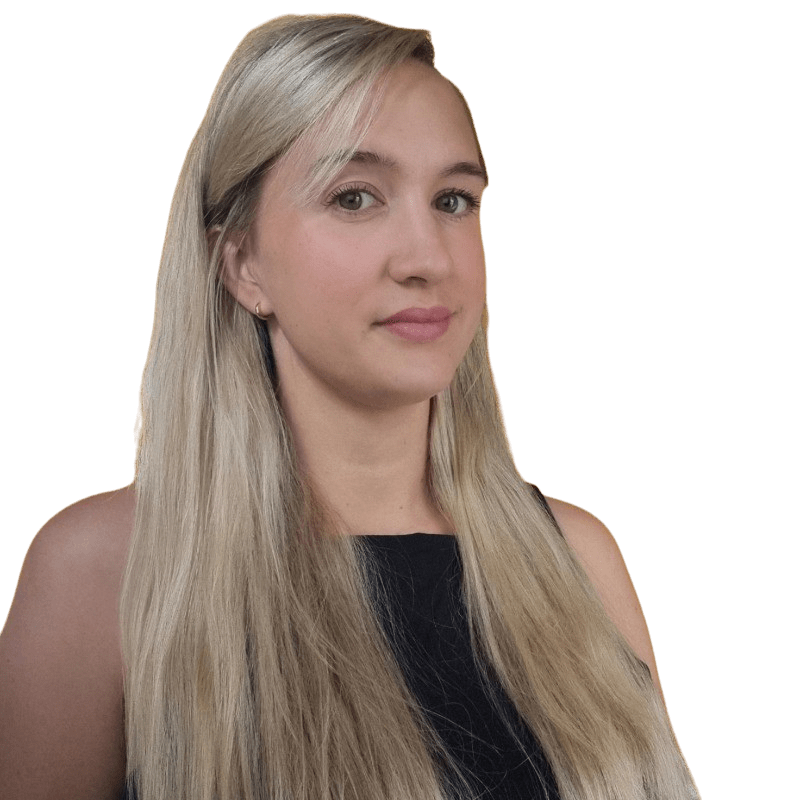
Lauren Spice is the Director of Morgan Insurance Brokers and works with media businesses, content creators, advertising agencies, and creative professionals across Brisbane, Queensland, and Australia wide. She arranges media liability and professional indemnity insurance through specialist insurers including Chubb and the Steadfast panel of media underwriters.
Media liability is a specialist line that most general brokers place infrequently and do not fully understand. The claims-made policy structure, the retroactive date requirement, the specific disclosure obligations around content type and revenue, and the notification rules for concerns notices all create complexity that a generalist broker can mismanage. Lauren's team understands these requirements and guides media clients through the proposal and renewal process accurately so that cover is in place and correctly structured when it is needed.
When a defamation claim, copyright dispute, or intellectual property matter arises, Lauren's team manages the notification and claims process on behalf of the client from the moment a concerns notice or formal demand is received — so you have the right advice immediately rather than discovering the notification rules too late to protect your cover.
Media liability insurance FAQs
The questions we are most commonly asked by publishers, agencies, content creators, and media businesses when arranging media liability cover for the first time.
What is the difference between media liability insurance and professional indemnity insurance?
Professional indemnity insurance covers claims arising from errors, omissions, or negligent advice in your professional services — a client who suffers financial loss because of your professional work. It is primarily a financial harm cover and does not typically extend to defamation, copyright infringement, or intellectual property claims.
Media liability insurance covers the legal risks specific to producing and distributing content — defamation, libel, copyright infringement, intellectual property disputes, and invasion of privacy. Many media businesses need both: PI for the professional services they provide to clients, and media liability for the content they produce and publish. A broker assesses your specific activities and confirms which combination of covers applies to your business.
Do I need media liability insurance as a freelance journalist or independent blogger?
Yes, if you publish editorial content under your own name or brand. Freelance journalists and independent content creators carry the same defamation and copyright exposure as a large media organisation but typically without the in-house legal review processes that a masthead provides. A defamation concerns notice or copyright claim can be served directly against you personally as the publisher, and the cost of responding legally falls entirely on you without insurance.
Many publications also require freelancers to carry their own media liability or professional indemnity insurance before commissioning work, particularly for investigative or opinion content. A broker arranges cover sized appropriately for a sole operator rather than a large media business, which is typically significantly more affordable than most freelancers assume.
What is a concerns notice and why does it matter for my insurance?
A concerns notice is a formal written notification sent to a publisher by someone who believes they have been defamed, giving the publisher an opportunity to respond, correct, or retract before legal proceedings commence. Under the Australian Defamation Act, a claimant must generally send a concerns notice before filing a defamation claim.
Receiving a concerns notice triggers specific obligations under your media liability policy. You must notify your insurer promptly upon receiving a concerns notice, even if you believe the claim has no merit and even if formal legal proceedings have not yet commenced. Failing to notify your insurer before the policy period expires can result in the claim not being covered, even if proceedings are ultimately commenced within the policy period. Do not respond to a concerns notice, issue a correction, or make any public statement about the matter before speaking to your broker and insurer.
Does media liability insurance cover content published on social media?
It depends on the policy wording and the nature of the social media use. Content published on your own social media channels as part of your editorial or commercial publishing activities is typically covered under a media liability policy as part of your broader content distribution. A tweet, LinkedIn post, Instagram caption, or Facebook article that contains defamatory content generates the same liability exposure as the same content published on your website.
What is typically excluded is social media platform operation — if your business operates a social media platform itself, enables user-generated content at scale, or provides content moderation services, this falls outside the standard media liability appetite of most insurers including Chubb. A broker confirms the specific scope of your policy's social media coverage based on how your business uses these channels.
What is a retroactive date and why does it matter?
A retroactive date is the date from which the policy covers prior acts. A media liability policy will cover claims first made against you during the policy period, but only for content published on or after the retroactive date. Content published before the retroactive date is not covered even if the claim is made during a current policy period.
Maintaining continuity of cover is critical for media businesses because a retroactive date is typically set to the date your first media liability policy commenced. If you allow your policy to lapse and then take out a new policy, the new policy may set a new, more recent retroactive date — leaving all content published before that date uninsured for any claim made in the future. This is one of the most significant risks of changing insurers or letting a policy lapse, and a broker manages your retroactive date continuity as part of the renewal process.
Does my public liability insurance cover defamation claims?
No. Public liability insurance covers claims from third parties for physical injury or property damage arising from your business operations. Defamation is a reputational harm claim rather than a physical harm claim, and standard public liability policies contain express exclusions for defamation, slander, libel, and intellectual property claims.
This is one of the most common gaps we find when reviewing insurance for media and creative businesses. A business may hold $10M public liability insurance and believe they are well covered, only to discover that their most likely actual claim scenario — a defamation allegation or copyright dispute — is specifically excluded from that policy. Media liability insurance fills this gap and should be held alongside rather than instead of public liability cover.
How much does media liability insurance cost in Australia?
Media liability insurance costs vary based on the type of content you produce, your annual revenue, your distribution reach, the industries and subjects you cover, and the limit of indemnity selected. As a general guide:
Small independent publishers, freelancers, and sole operator content creators typically pay between $800 and $2,500 per year for a $1M to $2M limit. Small to medium agencies and production companies with annual revenue under $5M typically pay between $2,000 and $6,000 per year. Larger media organisations, broadcasters, and national agencies with higher revenue and broader distribution are rated individually by specialist underwriters and premiums vary significantly based on the specific risk profile.
The most accurate way to understand your specific cost is to have a broker compare across the specialist media liability market based on your content type, revenue, and distribution. Contact us for a same-day indicative quote.
Have a question about your specific media business? We arrange media liability insurance for publishers, agencies, and content creators across Australia.
Get a free quoteReady to protect your media business from content claims?
Whether you run an independent publication, a national advertising agency, a production company, or a freelance content business, we arrange specialist media liability insurance through Chubb and our Steadfast panel of media underwriters to find cover that matches how your business actually operates.
